Zanzibar’s best things to do mix culture, reef and boat trips: walk Stone Town, take a spice farm tour, snorkel Mnemba Atoll, meet the red colobus monkeys at Jozani Forest, and spend a day on a Safari Blue dhow trip.
Most “things to do” lists for the island run to forty items and rank none of them, which is not much help when you have a week and a handful of tour slots. This one is shorter and opinionated. Here are the experiences worth building a day around, roughly in the order most visitors end up glad they did them, with a real price band for each and a link to the full guide. A dolphin trip or a table at The Rock earns a spot too if you have the days.
Zanzibar’s top experiences at a glance
Experience
Where
Rough cost per person (2026)*
Best for
Stone Town walk
Zanzibar City, west coast
Free, or ~US$15 to 20 guided
History, food, first-timers
Mnemba Atoll snorkeling
Off Matemwe, northeast
~US$40 to 90 plus reef fee
Snorkelers and divers
Spice farm tour
Countryside near Stone Town
~US$15 to 25
Families, culture, low budgets
Jozani Forest
Central-south
~US$10 to 12 including a guide
Wildlife, red colobus monkeys
Safari Blue
From Fumba, southwest
~US$80 to 120
The best all-day boat trip
Diving
Mnemba, Leven Bank, Tumbatu
~US$50 to 70 a dive
Certified and beginner divers
Dolphin tour
Kizimkazi, south coast
~US$20 to 30
Early risers (choose an ethical operator)
The Rock lunch
Pingwe, Michamvi peninsula
~US$60 to 90 for a meal
A special, photogenic meal
*Rough per-person guides for 2026; verify with operators before booking. Prices swing with group size, season, and whether transfers, fees and lunch are included.
The best things to do in Zanzibar, ranked
1. Walk through Stone Town
Stone Town is the island’s cultural heart and a UNESCO World Heritage site, a maze of coral-stone alleys, carved doors, mosques and old merchant houses. Half a day on foot, ideally with a guide, covers the Old Fort, the Forodhani seafront gardens, the former slave market and Anglican cathedral, and the house that marks Freddie Mercury’s birthplace. Note that the House of Wonders, the big landmark on the seafront, has been closed since its 2020 collapse and is still under reconstruction, so you view it from outside. It is an easy half-day on foot, and the cooler, drier months are the most comfortable for walking the old town, which the best time to visit guide covers month by month.
2. Snorkel or dive Mnemba Atoll
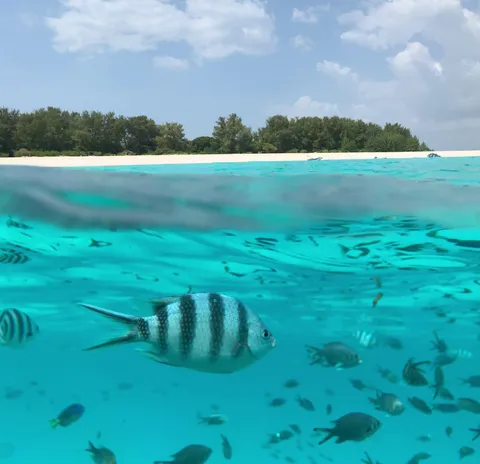
The reef around Mnemba Atoll, off the northeast coast, is the clearest, fishiest water on the main island, with turtles, reef fish and the odd dolphin. The island in the middle is a private lodge, so you snorkel or dive the surrounding marine conservation area rather than landing. Boats leave from Matemwe in minutes, and there is a government reef fee on top of the tour price. It is the single best in-water experience here.
3. Take a spice farm tour
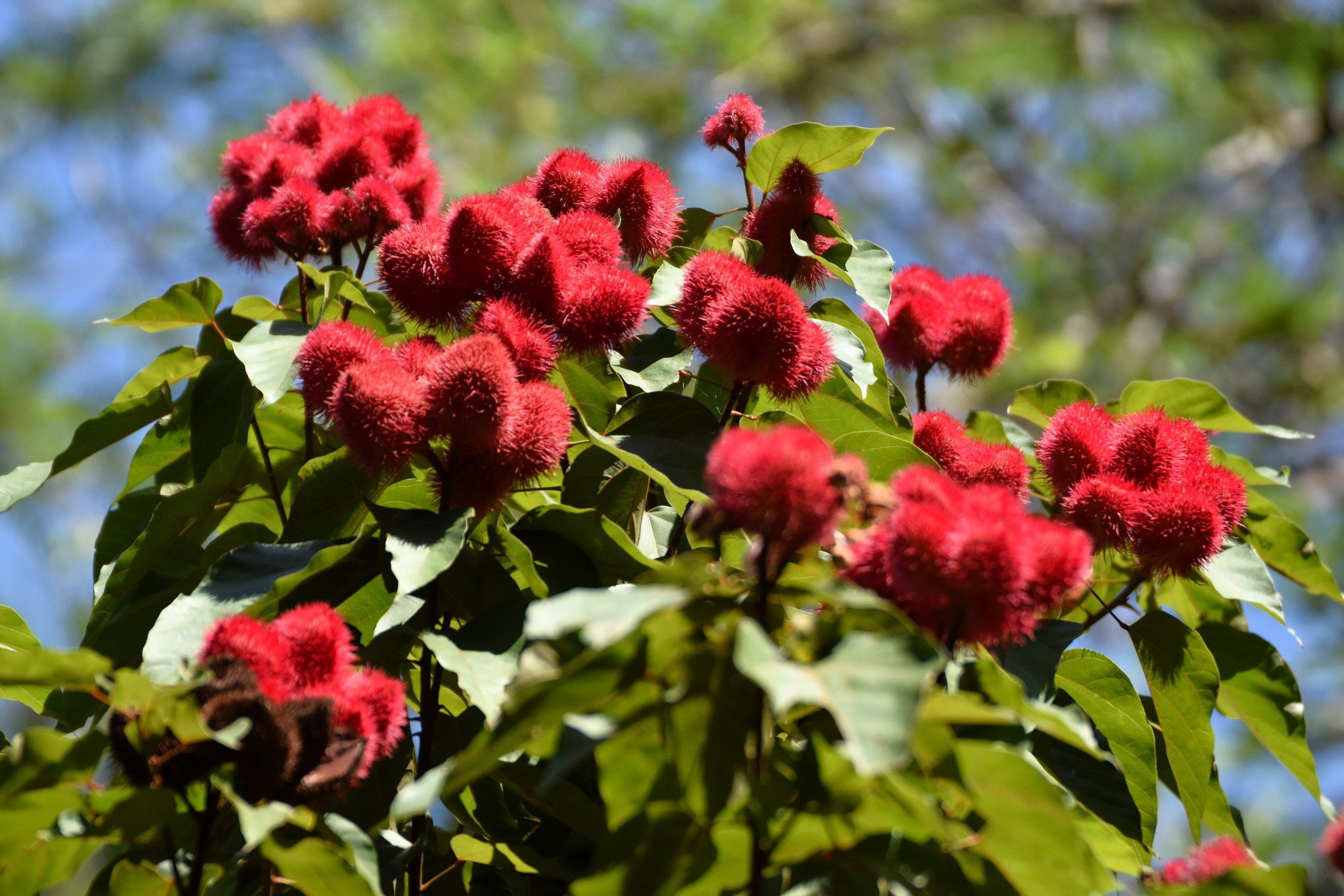
The spice tour is the cheapest genuinely worthwhile thing you can do, a two to three hour walk on a working farm near Stone Town where you crush a clove leaf, taste raw cinnamon and vanilla, and sample tropical fruit you have never seen. It is hands-on, easy with kids, and a fair reminder of why these were called the Spice Islands. Book a small group and the guide makes it.
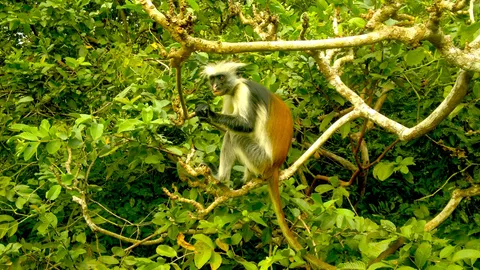
Jozani Forest is Zanzibar’s only national park and the one place on Earth you can see the endemic Zanzibar red colobus monkey, which is used enough to people that you get close. A short guided loop through the trees and a mangrove boardwalk takes an hour or two, and the entry fee includes a ranger. Go early for the most active troops. It sits on the road south, so it pairs well with a Kizimkazi dolphin trip.
5. Spend a day on Safari Blue
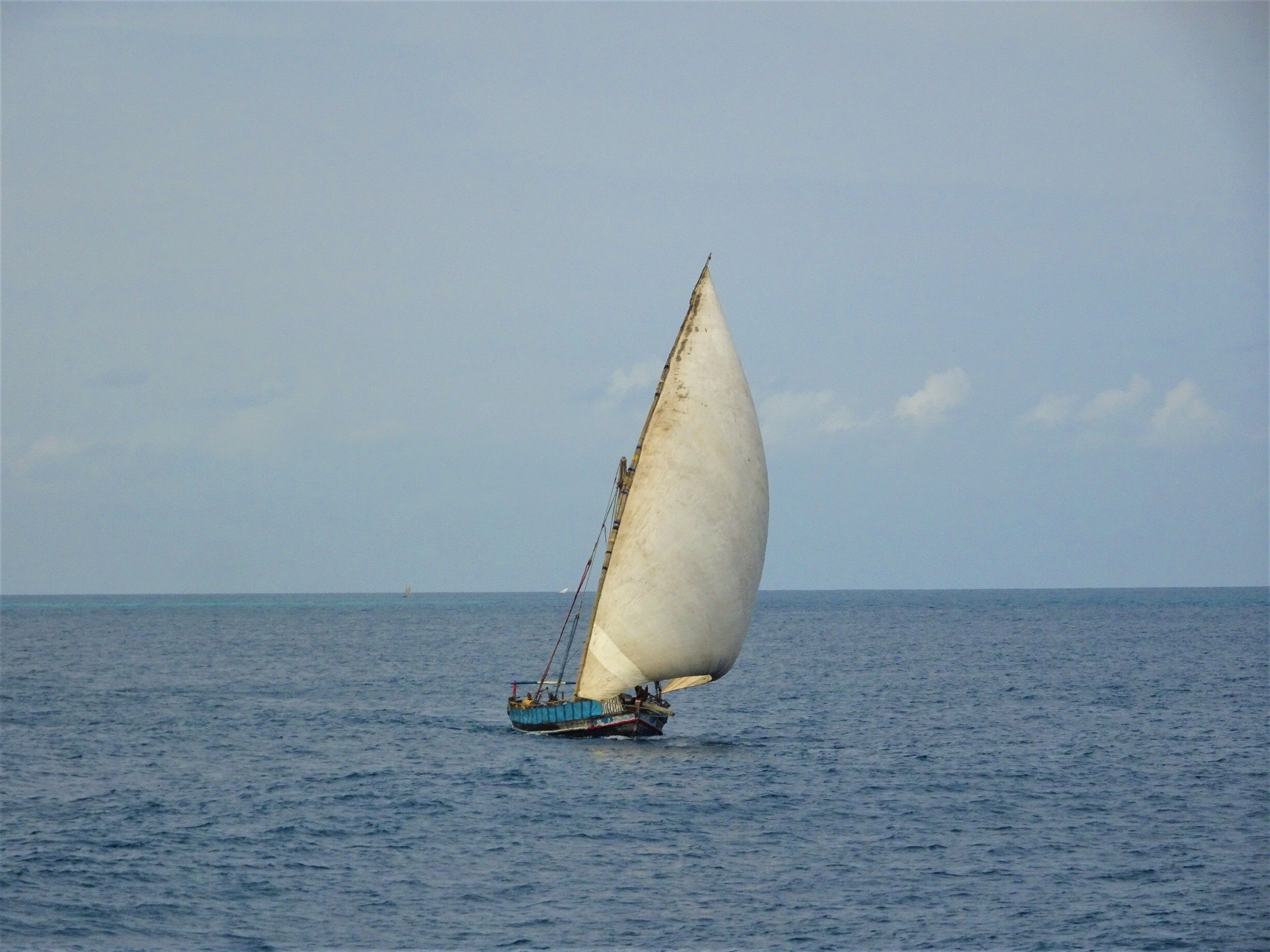
Safari Blue is the full-day dhow trip from Fumba into Menai Bay: snorkeling, a stop on a bright sandbank, a swim in a mangrove lagoon and a long seafood lunch, with dolphins turning up on a good day. It is the day trip people remember, and worth the higher price if you only do one boat day. Just know it is a full day out and can be bouncy if the wind is up.
Zanzibar is a solid year-round dive destination, with the best sites at Mnemba Atoll, Leven Bank and around Tumbatu, and visibility that peaks in the dry season. Beginners can do a course or a taster dive, and certified divers will find plenty of operators up north and at Matemwe. Our diving guide covers the sites, seasons and costs, and the snorkeling options if you would rather stay on the surface.
7. See wild dolphins at Kizimkazi (the right way)
You can take a boat from Kizimkazi on the south coast to see wild dolphins, and it can be magical or it can be a scrum of boats chasing a stressed pod. The difference is entirely the operator. Pick one that keeps its distance and does not crowd the animals, go early, and treat sightings as a bonus rather than a guarantee. Our dolphin tour guide explains how to choose well and why it matters.
8. Eat at The Rock
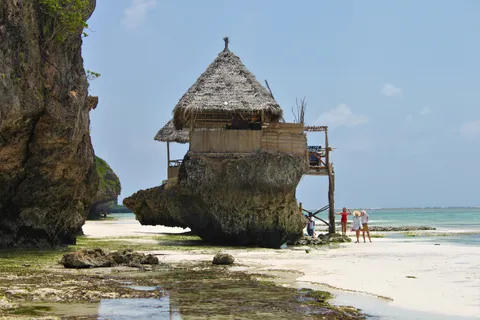
The Rock is the restaurant perched on a coral outcrop in the sea off Pingwe, reached on foot at low tide or by boat when the water is up. You are paying for the setting and the photos more than the plate, but it is a fun, once-a-trip lunch if you book ahead. Reservations and a small deposit are essential.
Honourable mentions
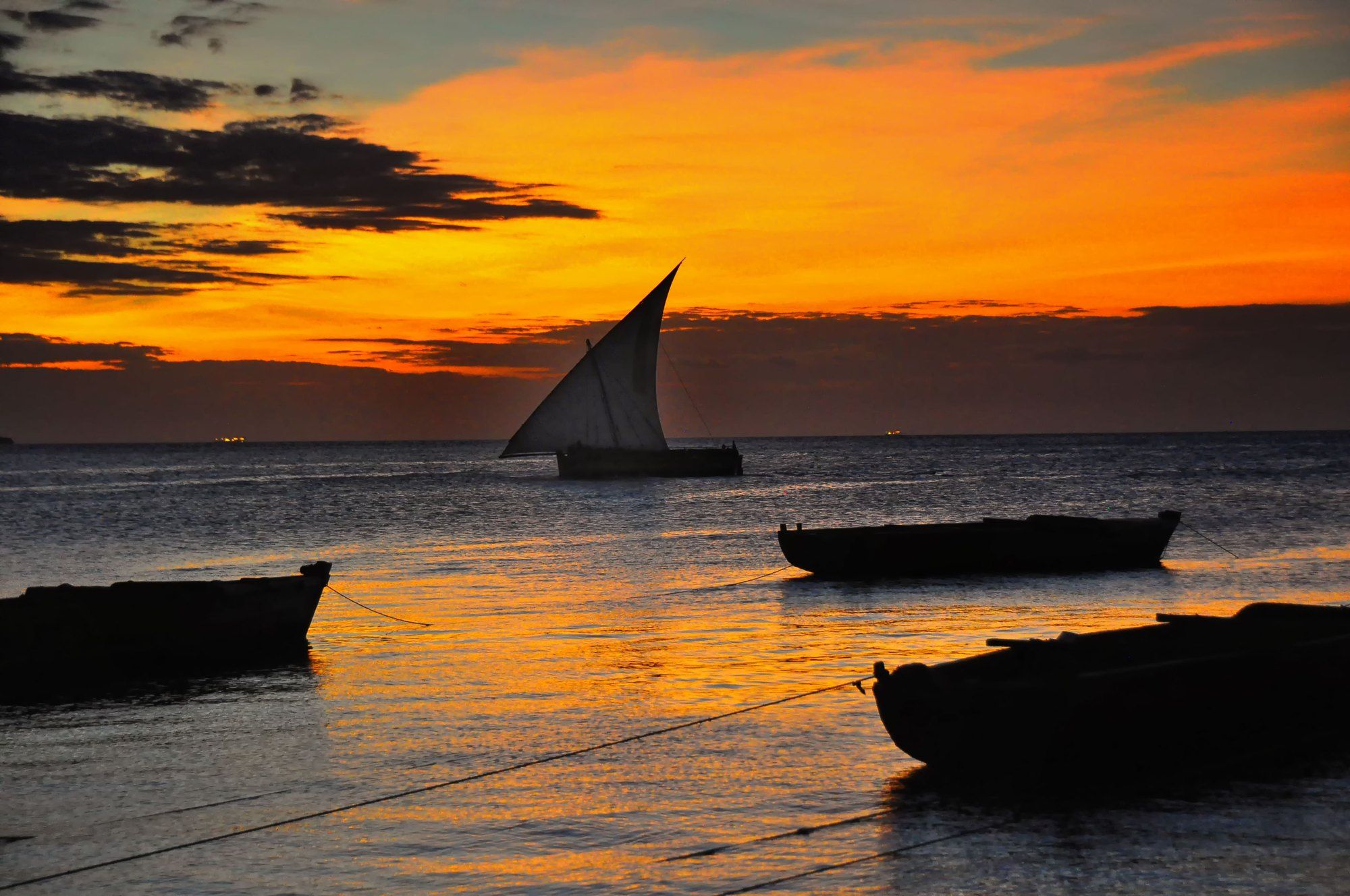
A few more that fill out a longer stay: the giant Aldabra tortoises on Prison Island, a short boat hop from Stone Town; the Nakupenda sandbank trip for swimming and a beach barbecue; the turtle sanctuaries at Nungwi, where you can see rescued green turtles; the swimmable blue pool at Kuza Cave near Jambiani; and a plain sunset dhow cruise, which is cheap and hard to beat.
Free and cheap things to do
You do not need a tour budget to enjoy the island. Walking Stone Town, sitting out a sunset from a north-coast beach, and browsing Forodhani night market (you only pay for what you eat) all cost little or nothing. The beaches are public, low tide on the east coast turns the reef flat into a walkable world of tide pools and seaweed plots, and watching the dhow builders in Nungwi or a fishing village at work is free entertainment. The spice tour and Jozani are the best-value paid options at well under US$25 a head.
Things to do with kids
Zanzibar is easy with children if you plan around the heat and the tide. The spice farm is a hit because they get to touch, smell and taste everything. Jozani’s monkeys are a guaranteed win, and the walk is short and shaded. Snorkeling at Mnemba suits confident swimmers, while the calmer sandbank trips and the turtle sanctuaries at Nungwi work for younger ones. On the beach front, the swim-anytime water in the north (Nungwi and Kendwa) means the sea does not vanish mid-afternoon the way it does on the east coast.
What to do at night
Evenings here are gentle. The classic outing is Forodhani night market in Stone Town for grilled seafood and Zanzibar pizza, then a rooftop bar for a drink over the harbour. On the beaches, Nungwi has the busiest sunset-bar scene and Kendwa is known for its monthly full-moon party, while a sunset dhow cruise is the most relaxed way to end a day. Bear in mind this is a Muslim island: away from the resorts and tourist strips, nightlife is limited and alcohol is served mainly in tourist-facing places.
How long you need, and planning the rest
You can tick off the headline experiences in about five to seven days without rushing, leaving space for actual beach time. A sensible week pairs a couple of nights in or near Stone Town, so the spice tour, the town itself and Jozani are all close, with the rest on a beach that matches how you like to swim.
To turn these into a booking, line up three things: the experiences you care about, the right beach, and the right month. Our beaches guide sorts the coasts by tide and vibe, the where to stay guide covers hotels by area and budget, and the best time to visit guide breaks down weather, sea and crowds month by month. Get those three lined up and the days fill themselves.
The five most people rate highest are a walk through Stone Town, a spice farm tour, snorkeling at Mnemba Atoll, seeing the red colobus monkeys at Jozani Forest, and a full-day Safari Blue dhow trip. After those, a Kizimkazi dolphin tour, a dive, the giant tortoises on Prison Island and lunch at The Rock are the usual add-ons. If you only pick two, make one cultural (Stone Town or a spice farm) and one on the water (Mnemba or Safari Blue).
What is Zanzibar best known for?
White-sand beaches and turquoise water, and its history as the Spice Islands, which is why the spice farms and the old trading port of Stone Town are such a draw. It is also known for excellent snorkeling and diving at Mnemba Atoll, the endemic red colobus monkey at Jozani, and being the birthplace of Freddie Mercury. Cloves, seaweed farming and dhow sailing are all part of island life.
What not to miss in Zanzibar?
Do not leave without seeing Stone Town, ideally on a guided walk that takes in the Old Fort, Forodhani night market and the former slave market. On the water, Mnemba Atoll for snorkeling or a Safari Blue day trip are the ones people talk about afterwards. Jozani Forest is the easy wildlife win. The House of Wonders, Stone Town's landmark seafront building, is currently closed for long-term reconstruction, so admire it from outside rather than planning to go in.
What are the top free things to do?
Wandering Stone Town's alleys costs nothing, and the sunset over the water from the seafront or a north-coast beach is free every evening. Forodhani night market is free to walk through (you only pay for what you eat), the beaches are public, and watching the dhow builders and fishermen at work in Nungwi or a fishing village is part of the fun. Most paid experiences here are tours and entry fees, but the day-to-day atmosphere of Zanzibar is free.
What's good to do at night?
Evenings are low-key. Forodhani night market in Stone Town is the classic outing, with grilled seafood and Zanzibar pizza, followed by a rooftop bar. Kendwa on the north coast has beach bars and a monthly full-moon party, and Nungwi has the liveliest sunset scene. A sunset dhow cruise is the most relaxed option. Away from the beach hubs and resorts, nightlife is limited, and alcohol is served mainly in tourist-facing places.
Jozani Forest is Zanzibar's only national park and the one place on Earth to see the endemic red colobus monkey. Entry is about US$10 to 12 per adult (2026, verify), a park ranger is included, and a guided visit takes one to two hours across a forest loop and a mangrove boardwalk. It sits in the centre-south of Unguja, on the main road to the east coast beaches.
Mnemba Island is a tiny private island off Matemwe on Zanzibar's northeast coast, ringed by the best coral reef near Unguja. You cannot land on it, but boat tours snorkel and dive the surrounding marine conservation area, full of turtles and reef fish. Access needs a marine fee of about US$10 per adult (2026, verify) plus a boat trip of roughly US$40 to 90 per person, usually from Matemwe.
The Rock is Zanzibar's most photographed restaurant, a table-topped coral rock in the sea off Pingwe beach on the Michamvi peninsula. Reach it on foot at low tide, by boat at high tide. Booking is essential, with a non-refundable US$10 per person deposit (2026, verify) taken off your bill, and a full seafood meal runs roughly US$60 to 90 per person. You pay for the setting, not the cooking.