
Best Time to Visit Zanzibar: Weather Month by Month
When to go for dry days, calm seas, kitesurf wind, or the lowest prices, month by month.
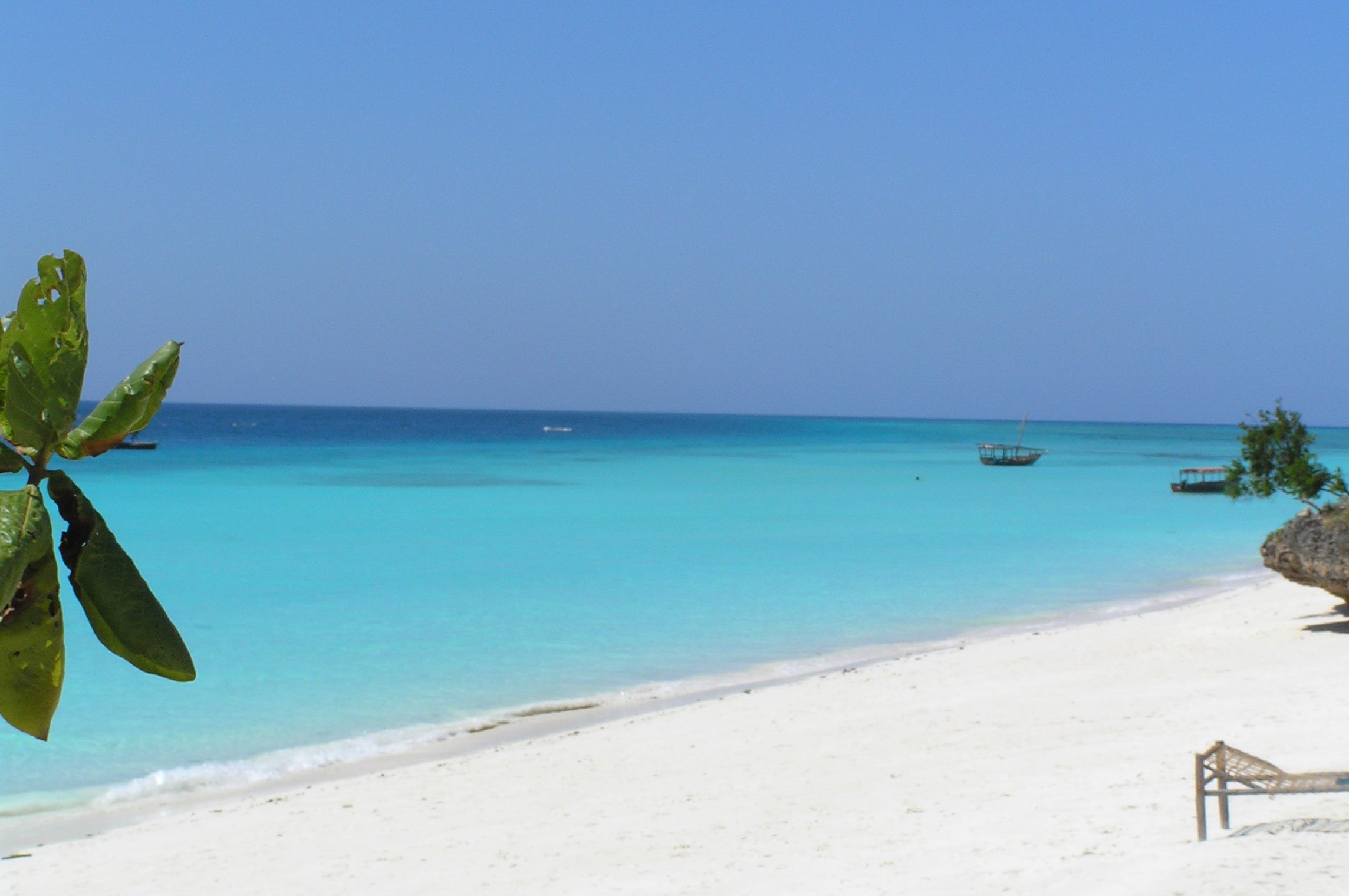
The best time to visit Zanzibar is June to October, when the air is cooler, the sky is dry, and a steady breeze keeps the beaches comfortable. December to February is the other sweet spot: hotter, calmer, with the clearest water for diving. March to May brings the long rains and the lowest prices.
The island sits just south of the equator, so it is warm all year, roughly 25°C to 32°C in the day and never cold at night. There is no bad-weather cliff to fall off, only trade-offs between heat, wind, rain, crowds, and price. Below is how each of those shifts through the year, plus the one detail most guides skip: the tide, which decides whether you can actually get in the sea on the day you arrive.
Zanzibar’s two high seasons, and how to choose
Zanzibar has two peak windows, and they feel different enough that picking between them is the real decision.
June to October is the long dry season. Days sit around 26°C to 29°C, humidity drops, and the southerly Kusi trade wind keeps things fresh. Rain is rare, mornings are bright, and it lines up with the European and North American summer holidays, so July and August are the busiest and most expensive weeks after Christmas. This is the window for beach days, walking Stone Town without wilting, and combining the island with a Serengeti safari, since it matches the northern Tanzania dry season and the wildebeest migration.
December to February is hotter, often 30°C to 32°C and humid, but the wind drops and the sea goes glassy. Water is at its warmest and clearest, which is why divers and snorkellers rate January and February highly. The catch is Christmas and New Year, the single priciest fortnight of the year, followed by Ramadan starting in mid-February in 2026 (more on that below).
So: pick June to October if you want dry, breezy, slightly cooler days and do not mind wind on the east coast. Pick December to February if you want heat, calm water, and the best underwater visibility, and you can either splurge at Christmas or dodge it.
The green season: March to May
March through May is the long-rains low season, and it is more honest to call it a gamble than a write-off. April is genuinely wet, the single rainiest month, with heavy afternoon storms and the most cloud of the year. May stays damp but improves week by week. Early March can still deliver hot, sunny beach days before the rain sets in around the middle of the month.
What you get in return is space and value. Resorts drop to their lowest rates of the year, Stone Town empties of tour groups, and the island turns green and quiet. The downside beyond the weather: some smaller guesthouses and dive centres close entirely for April and May, so you have fewer options and should book places that you have confirmed are open. If your dates are fixed to this window, the north coast is the safer bet, since storms tend to be short and the sea there stays swimmable regardless.
The four seasons behind Zanzibar’s weather
Two monsoon winds and two rain seasons drive the whole calendar. Once you know them, the month-by-month picture makes sense.
The Kaskazi is the northeast monsoon, roughly December to March. It brings warmer, more humid air and lighter, more variable wind, and it is what makes the December to February sea so calm.
The Kusi is the southeast monsoon, roughly June to October. It is cooler and stronger, the engine of the dry season, and the reason the east coast gets reliable kitesurf wind through the middle of the year.
The Masika, or long rains, land from about mid-March to May. This is the heaviest, most sustained rain and the core of the low season.
The Vuli, or short rains, arrive in November into early December. These are brief, often just a morning shower, and they rarely cost you a day on the beach.
Zanzibar weather month by month
Temperatures barely swing across the year. What really changes is rain, wind, sea temperature, and how many other people are on the beach. This table crosses all of that with a one-line verdict. Day and sea temperatures follow the island’s published climate ranges; treat the finer figures as typical rather than guaranteed.
| Month | Avg high | Sea temp | Rainfall | Crowds | Price | Verdict |
|---|---|---|---|---|---|---|
| January | ~32°C | ~29°C | Low, brief storms | High, easing after New Year | High | Warm, clear water and good diving once the New Year rush thins |
| February | ~32°C (hottest) | ~29°C | Lowest of the hot season | Moderate to high | High | Calmest, clearest sea of the year; Ramadan begins around the 18th |
| March | ~32°C | ~29°C | Low early, rising mid-month | Shoulder into low | Dropping | Glassy, quiet diving early on, wetter and cheaper later |
| April | ~30°C | ~28°C | Highest of the year | Low | Lowest | Bargain rates and empty beaches if you can take the rain |
| May | ~29°C | ~28°C | High, tapering late | Low | Low | Improving week by week, still low-season prices |
| June | ~28°C | ~27°C | Very low | High season begins | High | The sweet spot opens: dry, fresh, not yet packed |
| July | ~28°C | ~25°C | Very low | High (school holidays) | High | Prime beach weather, breezy east coast, coolest sea |
| August | ~29°C | ~25°C | Very low | Peak, busy | Peak | Classic dry-season Zanzibar; book the good places early |
| September | ~30°C | ~26°C | Very low | High | High | Excellent all round, and diving keeps improving |
| October | ~30°C | ~27°C | Low, brief rain late | Busy | High | Arguably the best all-rounder: dry, calm, great visibility |
| November | ~29°C | ~28°C | Short morning showers | Quieter | Good value | Calm water and low crowds between the two peaks |
| December | ~31°C | ~29°C | Moderate, fading late | Peak over Christmas and New Year | Highest | Warm and lively, but the priciest fortnight of the year |
Best time to visit by what you want to do
The right month depends on what you came for. Here is how the calendar shifts by activity.
Kitesurfing in Paje
Paje on the southeast coast is the island’s kite hub, and it has two reliable wind windows. The Kusi season, roughly June to September and into October, brings the stronger wind, gusting up to around 25 knots. The Kaskazi season, mid-December to March, is lighter at about 14 to 20 knots and warmer. Beginners do best in the steadier shoulders, mid-June to mid-October and late December to mid-March. If wind is your whole trip, base yourself in Paje and read our guide to Paje beach for where to stay and learn.
Diving and snorkelling
The clearest, calmest water lines up with the low-wind spells. December to March and October tend to give the best visibility, when the sea flattens and the plankton settles. July and August are still good but the Kusi wind can chop up the surface and cool the water to around 25°C. For serious divers, the reefs off Mnemba and the deeper sites off Pemba (roughly 26°C and clear all year) reward the December to March window. See our diving in Zanzibar guide for sites and operators.
Dolphins and wildlife
For a Kizimkazi dolphin trip in the south, aim for the calmer, low-wind spells, the June to October dry season or the December to February lull, when the sea off Menai Bay is flat enough for a steady boat. Go early in the day, and pick an operator that keeps its distance rather than chasing the pods. Our dolphin tour guide covers how to do it without stressing the animals.
A safari and beach combo
June to October does double duty. It is Zanzibar’s dry season and the dry season across northern Tanzania, so you can catch the Serengeti wildebeest migration and then fly to the coast to unwind. Arusha or Kilimanjaro to Zanzibar takes about an hour and a half, which makes an easy end to a dusty safari.
Honeymoons and calm-water trips
If you want warm, still, glassy sea and long lazy swims, December to February delivers, with November close behind and quieter. Dodge the Christmas and New Year spike unless you actively want the parties. The east-coast peninsulas around Michamvi catch both sunrise and sunset, while the north gives you swimmable water at any hour.
Families
June to October is the easiest family window: cooler, dry, low humidity, and less chance of a washed-out afternoon. The trade-off is that July and August are busy and priced accordingly. For guaranteed swimming with young children, choose a north-coast base so the sea never disappears at low tide.
Budget travel
The lowest prices sit in April and May, deep in the long rains, when resorts discount hard and some close. For a drier bargain, November is the smarter pick: short rains only, warm calm sea, and far fewer crowds than the July or December peaks. For what a day actually costs in each season, see our money and costs guide.
Which coast and which tide decides where you swim
This is the fact that changes trips, and most weather guides leave it out. Zanzibar’s beaches split sharply by coast because of the tide, and no month fixes it.
The north tip, Nungwi and Kendwa, has very little tidal movement. You can walk straight into deep, swimmable water at almost any time of day, any month of the year. If your priority is swimming on your own schedule, start there, and our Nungwi beach guide covers the details.
The east and southeast coast, including Paje, Jambiani, Bwejuu, and Matemwe, sits on a broad, shallow reef flat. At low tide the sea withdraws hundreds of metres, sometimes close to a kilometre, exposing reef and seaweed farms. It is beautiful, and it is why the kite crowd loves the flat lagoon, but if you turn up at the wrong hour you are looking at a long walk to knee-deep water. Plan swims and boat trips around a tide table, and check whether your hotel has a pool for the low-tide gaps. For the full picture of which beach suits which traveller, see our Zanzibar beaches overview.
Sea temperature never really stops you: it ranges from about 25°C in July and August to 29°C from December to April, warm enough to swim in year round. The tide, not the temperature, is the thing to plan around.
Christmas and New Year: the island’s peak
Late December is Zanzibar at its most expensive and most booked. Resorts charge peak rates, minimum-stay rules kick in, and the best beachfront rooms and New Year’s Eve dinners sell out months ahead. The weather is hot with the odd short shower, the sea is warm and calm, and Stone Town and the beach hotels throw fireworks and gala nights on the 31st. If that energy is the point, commit early. If it is not, the same warm, calm conditions cost far less in the first half of December or in February.
Ramadan 2026: what changes and what does not
Zanzibar is overwhelmingly Muslim, and Ramadan reshapes daily life for the month. In 2026 it runs from about 18 February to 19 or 20 March, though the start and end shift with the moon sighting, so confirm the dates before you lock in travel (2026, verify before travel).
Your beach resort will run more or less as normal: restaurants, bars, and pools stay open for guests. Out in Stone Town and the villages, though, many local restaurants close or cut back during daylight, the pace slows, and alcohol is harder to find. The etiquette is simple: eat, drink, and smoke discreetly rather than in the street during fasting hours, and dress a little more modestly than usual. After sunset, towns come alive as families break the fast. It is a genuinely interesting time to visit if you go in with the right expectations. Our what to wear guide covers dress and Ramadan etiquette in more detail.
When to avoid Zanzibar
No month is a disaster, but two stretches come with real caveats. April and May are the hardest for weather: heavy long rains, high humidity, and some lodges and dive centres shut for the season, so you trade cheap rates for washed-out afternoons and fewer options. Christmas and New Year sit at the opposite extreme, dry and calm but crowded and priced at a premium. If you dislike either rain or crowds, those are the windows to steer around. Everything else comes down to the heat-versus-wind trade you prefer, and the tide on the beach you choose.
Plan your trip
For a first visit that balances everything, target late June, September, October, or February: dry or mostly dry, warm sea, and either side of the biggest crowds. Lock in accommodation early for July, August, and the Christmas peak, when the best places fill months ahead. Match your beach to how you want to swim, breezy east coast for kite and lagoon, north coast for any-tide water, and you have the two decisions that matter most.
Frequently asked questions
Which month is best for Zanzibar?
For most travellers, June to October is the best stretch: dry, sunny, and cooled by the Kusi trade wind. If you want hot days and the calmest, clearest sea, aim for late December to February. October and June are the standout single months, sitting at the quiet edges of the high season with reliable weather and slightly smaller crowds.
What is the rainy season in Zanzibar?
Zanzibar has two rainy seasons. The long rains (Masika) run from roughly mid-March to May and are the wettest, with April the peak. The short rains (Vuli) fall in November into early December as brief, mostly morning showers that rarely spoil a day. Between them, June to October and January to February stay largely dry.
When is the cheapest time to visit Zanzibar?
April and May, during the long rains, bring the lowest room rates of the year, when resorts discount hard and some smaller places close. For a drier bargain, November is the smart pick: short rains only, warm calm sea, and far fewer crowds than the July or December peaks. Christmas and New Year are the priciest fortnight. For what a day actually costs across the seasons, our money and costs guide has the full breakdown.
When is the worst time to visit Zanzibar?
For weather, April and May are the toughest months: heavy long rains, humidity, and some closed lodges and dive operators. For your wallet, Christmas and New Year are the priciest and busiest days of the year, so skip late December if crowds and peak rates put you off. Everything in between is fair game, tide and heat permitting.
When is the best time to combine Zanzibar with a mainland safari?
June to October is the sweet spot for a safari-and-beach trip. It is Zanzibar's dry season, and it lines up with the dry months in northern Tanzania when wildlife gathers around water and the Serengeti wildebeest migration is in full swing. Fly Arusha or Kilimanjaro to Zanzibar afterwards and end a dusty safari on a calm, dry beach.