
Zanzibar Money & Costs: Currency, Budgets & Insurance
What Zanzibar costs, which currency to carry, cash versus card, tipping, and why ZIC is not your travel insurance.
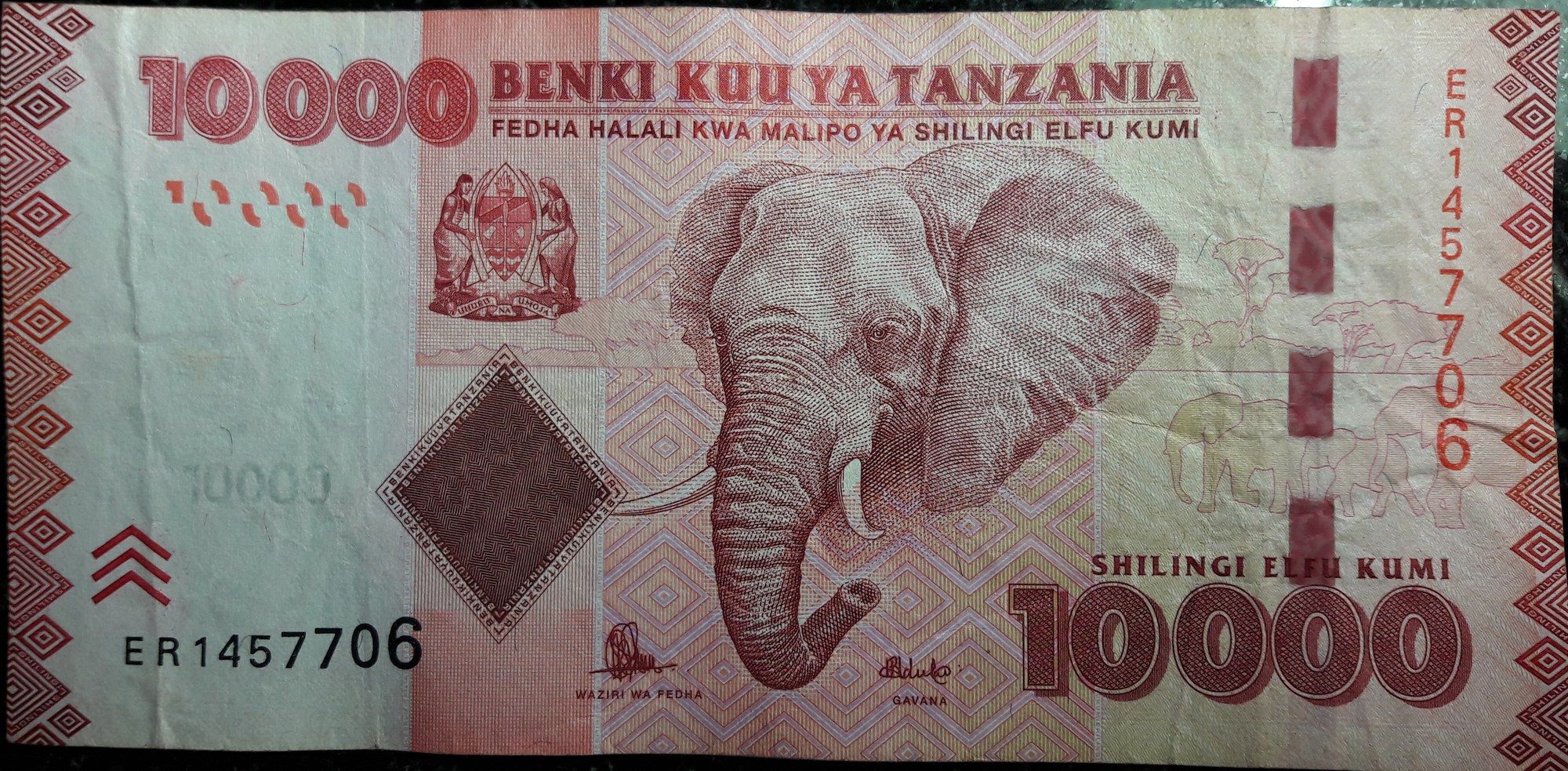
Zanzibar runs on the Tanzanian shilling, but US dollars are accepted almost everywhere tourists go. It sits in the affordable-to-mid-range bracket: you can do it on a tight budget or spend freely. Carry cash, because cards are not universal, and remember the mandatory ZIC entry insurance is separate from your own travel cover.
The money side of a Zanzibar trip catches out more first-timers than the weather does. It is a cash island with a closed currency, dollar notes get refused for being too old, and there are two different kinds of insurance that people constantly muddle together. None of it is hard once you know the rules, so here they are, with real 2026 numbers and an honest read on what a trip actually costs.
What currency is used in Zanzibar
The official currency is the Tanzanian shilling, written TZS or TSh. In 2026 it trades at roughly 2,500 to 2,700 shillings to one US dollar, so a 10,000 TZS note is worth about four dollars. Rates move, so check a live converter like Wise or XE before you travel (2026, verify before travel), but that range is a useful anchor for doing quick sums in your head.
US dollars are the second working currency. Hotels, tour operators, dive centres, park fees and bigger restaurants all quote and take dollars happily. Shillings are what you want for the small stuff: a plate of food at Forodhani market, a dala-dala ride, fruit from a stall, a tip for the person who carried your bags. A practical split is to keep clean dollars for the big prepaid items and a wad of small shilling notes for daily life.
One rule catches people out every week. US dollar notes must be Series 2009 or newer, and they must be crisp, clean and untorn. Older bills, and anything faded, marked or slightly ripped, get politely refused at hotels, forex desks and tour offices. Ask your bank for newer notes, avoid folding them into a tight ball, and bring a range of denominations rather than a stack of hundreds, since change for a big note is not always available.
The shilling is a closed currency, which is the part most guides skip. You generally cannot buy or sell it outside Tanzania, and there is little point trying to stock up at home. Get your shillings once you land, from an ATM or a Stone Town forex bureau, and change back any large leftover before you fly out. For which weeks give you the most trip for your money, our best time to visit guide has the seasonal price picture.
Cash or card: how to pay in Zanzibar
Zanzibar is a cash economy, and planning around that is the single most useful money decision you will make. Assume that most day-to-day spending, and a surprising number of guesthouses, drivers and small tour operators, will be notes only.
Cards work, but with caveats. Larger hotels, upmarket restaurants and established dive shops take Visa and Mastercard, and many of them add a surcharge of roughly 3 to 5 percent, sometimes more, to cover the fee. Card machines also depend on a connection that drops out, so never rely on plastic as your only way to pay. Keep a card for big hotel bills and as a backup, and cover everything else in cash.
ATMs exist, mainly in Stone Town, at the airport, and in bigger beach towns like Nungwi and Paje, and they dispense shillings. They are not always dependable: machines run out of cash, go offline, or cap withdrawals low, and each pull usually carries a fee. A few habits save money and hassle:
- Withdraw a larger amount less often, so you pay fewer flat fees.
- Use the machines at the bigger banks, such as CRDB, NBC and the People’s Bank of Zanzibar, which tend to be the most reliable.
- If an ATM offers to charge you in your home currency instead of shillings, decline it and choose shillings. That “dynamic currency conversion” almost always gives you a worse rate.
- Draw out enough before you head to the east or north coast, where machines are fewer and quieter.
The short version: land with some clean dollars, pull shillings from a reliable ATM early in your trip, and keep a card in reserve. Getting caught cashless at a beach guesthouse that cannot take your card is a genuinely awkward way to spend an afternoon.
Is Zanzibar expensive? What things actually cost
Zanzibar is mid-range, and honestly flexible. Your two big levers are where you sleep and how many organised tours you book. Everything else, local food, drinks, and getting around by dala-dala, is cheap by European or North American standards. A cold local beer is a couple of dollars, a plate of pilau or a bowl of urojo at a local spot is single digits, and a shared minibus across the island costs less than a dollar.
Here is a realistic snapshot of common costs in 2026. Treat every figure as a guide, not a fixed price: tours vary by operator, group size and season, and fees change (2026, verify before travel).
| Item | Typical 2026 price | Notes |
|---|---|---|
| Local beer (Kilimanjaro, Safari) | US$2 to US$4 | Cheaper at local bars than beach resorts |
| Casual local meal | US$5 to US$10 | Street food, urojo, pilau, a simple curry |
| Tourist-restaurant main | US$10 to US$25 | Beach and Stone Town restaurants |
| Meal at The Rock | US$60 to US$90 pp | The famous rock-in-the-sea restaurant; book ahead |
| Spice tour | US$10 to US$25 | About 2 to 3 hours |
| Safari Blue day trip | US$80 to US$120 | Full day, boat, snorkelling, seafood lunch |
| Jozani Forest entry | US$10 to US$12 | Usually includes a guide |
| Airport taxi to Stone Town | US$10 to US$15 | Agree the fare before you get in |
| Airport taxi to Nungwi | US$35 to US$60 | Around 1 hour 20 minutes |
| Dala-dala ride | Under US$1 | Slow, local, shillings only |
| Scooter hire | US$15 to US$25 per day | A local permit is required |
| Ferry from Dar es Salaam (economy) | US$35 one way | About 2 hours |
| Tanzania visa | US$50 (US$100 for US citizens) | US citizens must take the multi-entry visa |
| ZIC entry insurance | US$44 adult, US$22 child | Mandatory, buy online before you fly |
So is it cheaper than the Maldives? Yes, comfortably, especially if you skip the private-island resorts and mix local food with the odd splashy meal. But it is not a bargain-basement destination once you add flights, a couple of tours, transfers and a decent room. Budget for the trip you actually want.
Daily budget: what a day in Zanzibar costs
Rough daily bands per person, not counting international flights, break down like this:
- Budget, about US$40 to US$70 a day. A guesthouse or hostel, local food, dala-dalas and shared transfers, and one affordable tour. Doable and genuinely fun if you are relaxed about comfort.
- Mid-range, about US$100 to US$250 a day. A boutique or three-to-four-star hotel, private airport transfers, a mix of restaurant meals and a couple of organised excursions. This is where most couples and families land.
- Luxury, about US$350 a day and up. Five-star or private-island stays, private guiding, premium excursions and fine dining. The ceiling is high.
Across a week, that is roughly US$300 to US$500 on a tight budget, US$700 to US$1,750 mid-range, and US$2,450 or more for luxury, per person. Add the one-off entry costs on top: your Tanzania visa and the ZIC insurance, plus any big-ticket excursion like a private Safari Blue or a Cheetah’s Rock visit. If a firm number matters, price your specific hotel and your shortlist of tours first, then layer food and transfers over the bands above.
Tipping in Zanzibar
Tipping is customary and appreciated, not compulsory, and a little goes a long way. The one thing to check first: many tourist restaurants already add a service charge of around 10 percent, so glance at the bill before you add more.
- Restaurants: around 5 to 10 percent where no service charge has been added; rounding up is plenty at local spots.
- Drivers and transfers: about US$3 to US$5 for a standard airport run or day transfer.
- Guides: roughly US$8 to US$10 per guest per day for a good specialist guide on a tour.
- Hotel staff: about US$10 to US$20 per guest per day into a shared tip box, or a dollar or two a day for housekeeping and a dollar a bag for porters.
Tip in either currency. Small shilling notes are ideal for the everyday tips, and clean dollars are fine for the larger ones. If you are pulling together your cash and packing list, our packing guide covers how much to bring and in what denominations.
Keeping your money safe
Zanzibar is generally safe for visitors, and the money risks are the ordinary ones, mostly petty and easily avoided. Carrying a fair amount of cash just means being sensible with it. Split your money and cards between a couple of places rather than one wallet, use the hotel safe for the bulk of it, and carry only what you need for the day. Agree taxi fares before you get in, since there are no meters and quoting after the ride is where you get stung. At ATMs, use machines inside or attached to a bank branch by day rather than a lone street machine at night, and shield the keypad. Bag-snatching happens occasionally in Stone Town’s crowds, so keep phones and cash out of back pockets. For the fuller picture on staying safe, see our is Zanzibar safe guide.
Travel insurance for Zanzibar: separate from ZIC
This is where the biggest and most expensive misunderstanding happens, so read it twice. There are two different things, and one does not replace the other.
The first is the ZIC inbound insurance, a government entry requirement. Since 1 October 2024, every foreign visitor has had to buy the Zanzibar Insurance Corporation’s inbound policy, and it is still mandatory in 2026. It is inexpensive and covers only limited emergency medical care and evacuation while you are on the islands, which is exactly why it is not enough on its own. Our Zanzibar visa and entry guide has the full cost breakdown, who needs it, and how to buy it at the official portal.
The second is your own travel insurance, and the ZIC policy is not a substitute for it. A proper personal travel policy covers the things the entry insurance does not: trip cancellation and delays, lost or stolen baggage, a stolen phone, missed connections, and, crucially, comprehensive medical treatment and medical evacuation to a higher standard than local care. That last point matters here. Medical facilities on Zanzibar are limited, and a serious case can mean evacuation to Dar es Salaam or beyond, which is eye-wateringly expensive without cover. Our health guide explains why medical-evacuation cover is worth having.
When you buy your own policy, check three things: that the medical limit is high and includes evacuation and repatriation, that it covers the activities you actually plan to do (diving, kitesurfing and scooter riding are common exclusions unless you add them), and that it covers the Tanzanian mainland too if your trip includes a safari. Buy it when you book, not the week you fly, so cancellation cover kicks in early.
Money tips before you go
A short checklist that will keep your trip smooth:
- Bring clean US dollar notes, Series 2009 or newer, in a mix of denominations, and keep them dry and flat.
- Pull shillings from a reliable bank ATM early on, and choose to be charged in shillings, not your home currency.
- Carry enough cash before heading to the north or east coast, where machines thin out.
- Keep one card as a backup, and expect a small surcharge if you use it.
- Buy the ZIC insurance online before you fly, and buy your own travel insurance separately.
- Agree taxi fares before you set off, and keep small notes handy for tips.
Sort the cash, buy both kinds of insurance, and the rest of Zanzibar is refreshingly simple to pay for. Next, line up when to go with our best time to visit guide, and get the entry paperwork straight in the visa and entry guide.
Frequently asked questions
Is Zanzibar cheap or expensive?
Zanzibar is mid-range: as cheap or as pricey as you make it. Backpackers get by on roughly US$40 to US$70 a day with guesthouses, local food and shared transport. A comfortable boutique trip runs about US$100 to US$250 a day per person, and five-star or private-island stays start around US$350 a day and climb from there. The big costs are your room and your tours; local food, beers and dala-dala rides are genuinely cheap.
What currency is used in Zanzibar?
The official currency is the Tanzanian shilling (TZS). US dollars are also accepted almost everywhere tourists go, for hotels, tours and entry fees, while shillings are better for local shops, markets, street food and dala-dalas. Dollar notes must be Series 2009 or newer and in crisp, untorn condition, or they are often refused. The shilling is a closed currency, so buy it once you arrive rather than before you fly.
Should I bring cash or card?
Bring cash and treat cards as a backup. Zanzibar runs on cash: many guesthouses, restaurants, drivers and tour operators take dollars or shillings in notes only, ATMs can be out of cash or offline, and hotels that do take cards often add a surcharge of around 3 to 5 percent, sometimes more. Carry a mix of clean US dollar notes and some shillings, and keep a card for larger hotel bills and emergencies.
How much does a week in Zanzibar cost?
Excluding international flights, a week runs roughly US$300 to US$500 per person on a tight budget, US$700 to US$1,750 for a comfortable mid-range trip, and US$2,450 or more for luxury. On top of that are one-off entry costs: the Tanzania visa (US$50, or US$100 for US citizens) and the mandatory ZIC insurance (about US$44 per adult in 2026). A couple of paid excursions and airport transfers are the main variables.
How much should I tip in Zanzibar?
Tipping is customary rather than compulsory. In tourist restaurants, around 5 to 10 percent is normal, but check first for a service charge that may already be added. Reckon on about US$3 to US$5 for a driver or transfer, US$8 to US$10 per guest per day for a specialist guide, and US$10 to US$20 per guest per day for hotel staff, often via a shared tip box (2026). Small US dollar or shilling notes make this easy.
Do I need travel insurance if ZIC is mandatory?
Yes. The ZIC inbound policy every visitor must buy is a government entry requirement, not a substitute for proper travel insurance. It covers limited emergency medical care and evacuation while you are in Zanzibar, but not trip cancellation, lost baggage, stolen phones, missed flights, or cover on the Tanzanian mainland. Buy your own comprehensive travel insurance with medical evacuation as well, and check it covers everything you plan to do.