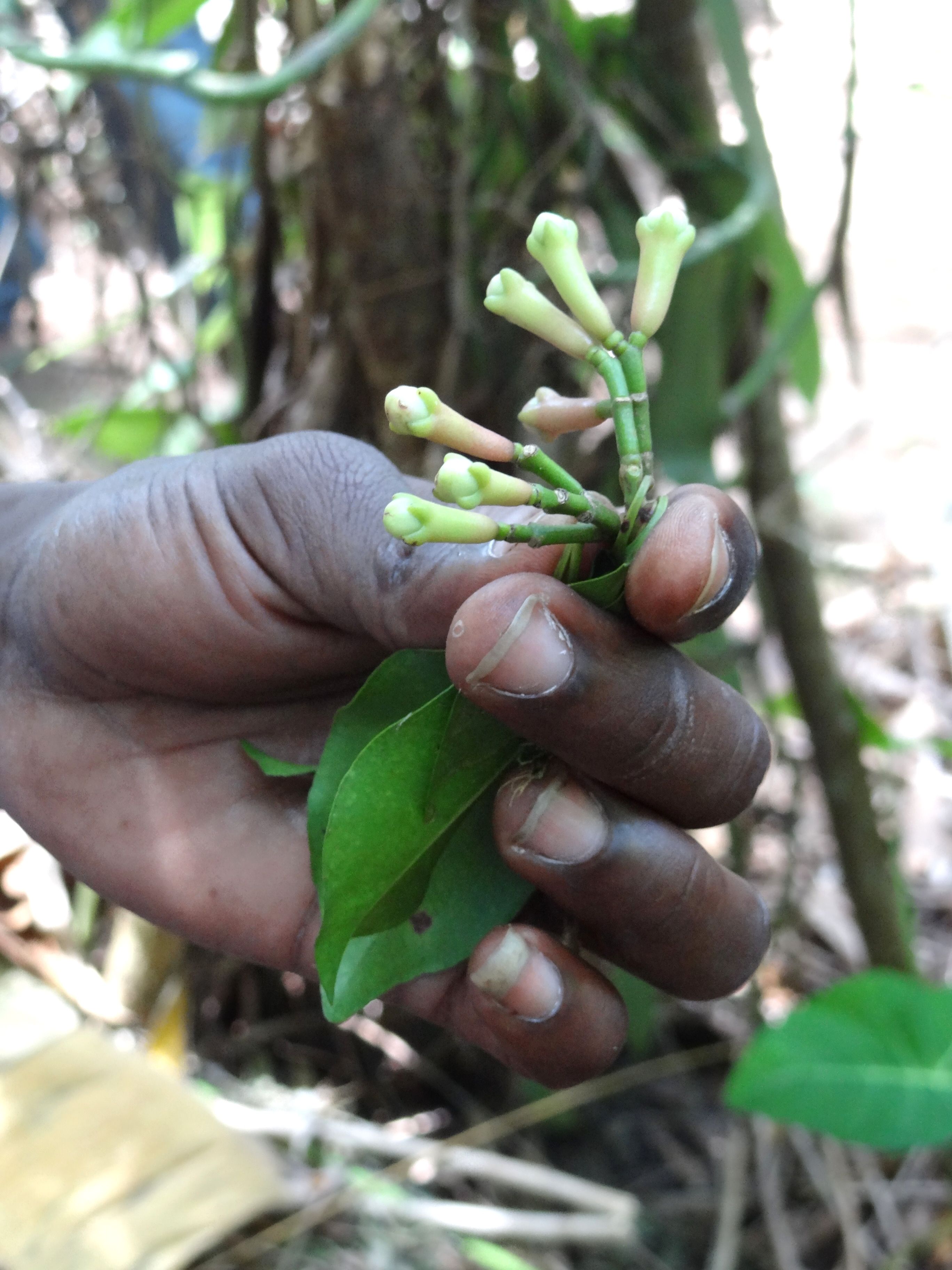
A Zanzibar spice tour is a guided walk around a working spice farm near Stone Town, usually about US$15 to 25 per person (2026, verify), where you crush, smell and taste cloves, vanilla and cinnamon straight off the plant. The farm walk runs two to three hours, and it is one of the island’s cheapest, most hands-on half-days.
The spice tour is the rare island excursion that costs little and delivers a lot. Here is the history behind it, what actually happens, what it should cost in 2026, which farm to bother with, and whether it earns a slot in your week.
Why Zanzibar is called the Spice Island
Cloves are the reason. In the 1800s the Omani sultans who ruled Zanzibar planted the islands with clove trees and built the economy around the crop, making Zanzibar and its greener sister island Pemba the world’s leading clove producer for much of the century. The trade has come down from those heights, but cloves, along with nutmeg, cinnamon, black pepper and vanilla, are still grown here and are still one of the island’s cash crops. That history is the whole point of a spice tour: it is not a staged attraction but the living remains of the trade that made Zanzibar matter. Crush a fresh clove bud between your fingers, and the smell that fills your hand is the one the island was once built around.
What happens on a spice tour
You are driven out to a farm in the countryside, and a guide leads you slowly between the plants, stopping at each one. This is a tasting tour as much as a walking one. You will snap a lemongrass stalk and a clove leaf to smell them, peel back a curl of raw cinnamon bark, and find out that vanilla is a climbing orchid, nutmeg comes wrapped in bright red mace, and turmeric stains your fingers orange. Cardamom, black pepper, ginger and lipstick-red annatto pods usually feature too.
Between the spices come the fruit. Whatever is ripe gets picked and handed round, often jackfruit, starfruit, custard apple and the small sweet Zanzibari bananas, so you are tasting your way through the farm as you go. Most tours throw in a coconut-climbing demonstration, and many finish with a home-style Swahili lunch cooked with the spices you have just seen. Along the way someone may weave you a hat or a ring from palm fronds or offer a dab of henna. It is gentle, sensory and easy underfoot, which is why it works so well with children and grandparents alike.
Most tours follow a similar rhythm:
How much a Zanzibar spice tour costs
Operators advertise spice tours from as little as US$10 per person, but a typical, decent tour sits at around US$15 to 25 per person in 2026. Private tours and ones built around a full lunch run higher, into the US$40-plus range for the fancier “luxury” versions.
The number to watch is not the tour price but the total. Two things are usually charged on top:
- Transfers. The headline price rarely includes getting you there. Transport is priced by how far your hotel is from the farms, so from the east coast it can add a meaningful amount, while from Stone Town it is cheap or bundled in.
- Tips. A tip for the guide is expected rather than optional, and guides will usually make that clear at the end. There is also a soft sell of spices, soaps and oils to finish, which is easy to enjoy or decline.
None of that makes it expensive. Even all-in, the spice tour is one of the cheapest organised experiences on the island, which is a large part of why it is worth doing. Prices are volatile, so treat these as 2026 guides and confirm the full cost, transport included, before you book.
Which spice farm is best
Most tours head for the farms in the central countryside just outside Stone Town, around Kizimbani and Kidichi, and the honest truth is that the specific farm barely matters. The same cloves, vanilla and cinnamon grow at all of them, and they are all set up to receive visitors. What decides whether you have a good time is the guide and the size of the group.
A sharp, funny guide who lets you touch and taste everything turns an ordinary farm into a highlight. A rushed guide leading forty people off a coach does not. So book by the operator and the group size rather than by the name of the plot: aim for a small group, and pick a tour that includes a cooked Swahili lunch if you want the fullest version. That single choice matters far more than which field you end up standing in.
Where the spice tour leaves from and how to book
Spice tours run from Stone Town or collect you from your hotel, then drive out to the farms, roughly 20 to 30 minutes from town. You can book through your hotel, a local tour operator, or one of the online marketplaces, and it is easy to arrange a day or two ahead rather than in advance. There is no ticketed gate to worry about; you are buying a guided tour, not an entry fee.
Because the farms sit close to Stone Town, the smartest way to slot it in is on a town day: do the Stone Town sights in the morning and the spice farm after, or combine it with Jozani Forest on the road south. If you are based on the east or north coast, weigh the transfer time and cost before booking it as a standalone half-day, since the driving can end up longer than the tour itself. For where the spice tour sits among the island’s other excursions, see the full things to do guide.
What to bring and know before you go
The farms are rural and working, so wear closed shoes you do not mind getting a bit muddy after rain, and dress modestly, since you are out in the countryside rather than at a resort. Bring small cash for the guide’s tip and the spice stall at the end, a hat and water for the sunnier stretches, and your camera. Mornings are cooler and the farms quieter, so an earlier slot is usually the better one. Budget a little extra if you tend to buy: the fresh vanilla pods and cloves are genuinely good, and the nudge to buy is soft rather than pushy.
Is the Zanzibar spice tour worth it?
Yes. It is cheap, it is genuinely interesting, and it gives you a real hook into what made Zanzibar matter for centuries, all in a relaxed couple of hours. Set your expectations right and you will not be disappointed: this is a hands-on farm visit built for curious travellers, not a slick attraction, and the small nudge to buy spices at the end is part of the deal. Book a small group with a good guide, ideally with lunch, and the spice tour is one of the easiest recommendations on the island. Pick the right month to visit and it runs comfortably in any of them, since it is mostly under shade.