Zanzibar is a tropical island off the coast of Tanzania, famous for white-sand beaches, historic Stone Town and spice-island culture. This guide covers when to go, where to stay, what to do and how to plan your trip, with the honest detail that decides whether you have a good one.
A lot gets written about Zanzibar, and most of it sells you the postcard. This is the version that also tells you when the seaweed washes up, which coast swims at low tide, and what a day actually costs. We plan trips here, we do not sell them, so every price and date below is one we have checked and dated. Read the quick facts, then jump to the section you need. Every part links down to a full guide.
Where is Zanzibar?
Zanzibar is a semi-autonomous archipelago in the Indian Ocean, part of the United Republic of Tanzania, lying off the country’s east coast in East Africa. It has its own president and administration under the 1964 union. Most people who say “Zanzibar” mean Unguja, the main island, roughly 85 km long; the smaller, greener island of Pemba sits to the north and sees far fewer visitors. The capital is Zanzibar City on the west coast, and its old quarter is Stone Town. Time runs on East Africa Time (UTC+3), the population is around 1.89 million (2022 census), and the island is overwhelmingly Muslim, which shapes the dress code and the daily rhythm.
Unguja is long and narrow: Stone Town and the airport sit on the west coast, the swim-anytime beaches at the north tip, and the reef-backed sand runs down the east and southeast. Our Zanzibar map breaks the island down area by area if you want to picture it before you plan.
When to go
Zanzibar is warm all year, so the calendar is really about rain and wind, not temperature. There are two good windows. June to October is cooler, dry and breezy, the busiest and most reliable season, and the one that suits kitesurfers. December to February is hot and mostly dry, with the calmest, clearest water for diving, though it peaks hard over Christmas and New Year on both price and crowds. March to May is the long rains, the cheapest and quietest stretch, with some smaller places closed. The sea stays swimmable at about 25 to 29C whenever you come; the best time to visit guide has the month-by-month picture on weather, sea and crowds if the timing is a close call.
The beaches: which coast to choose
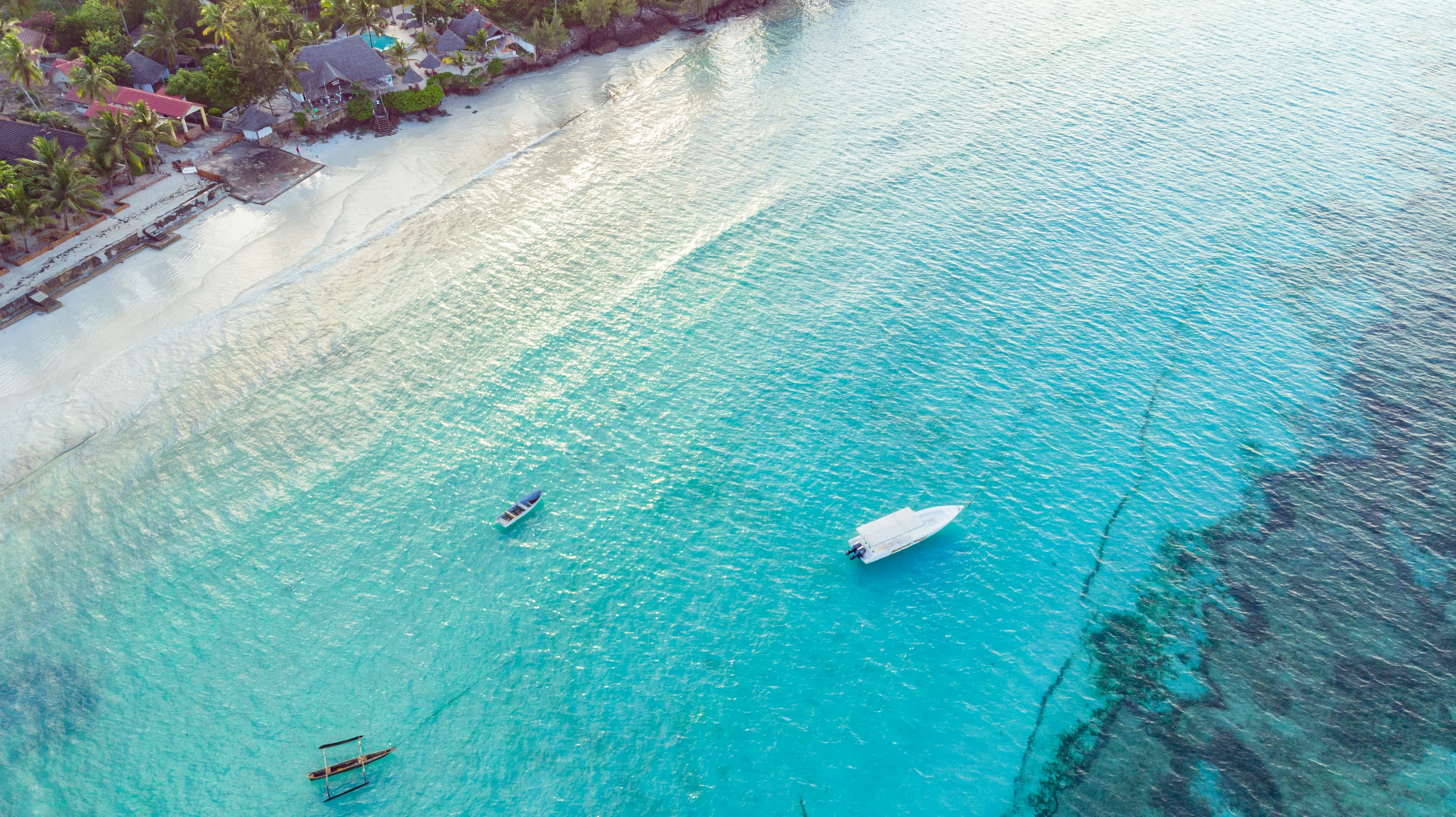
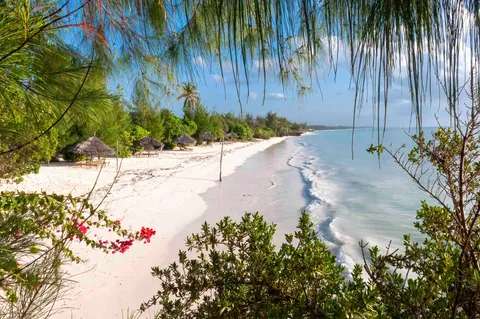
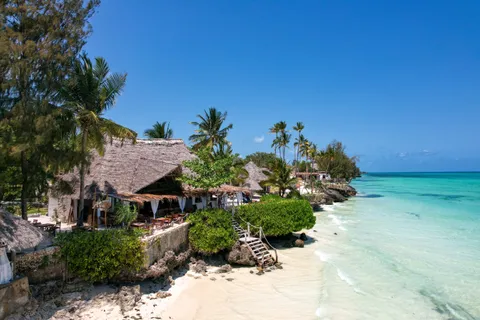
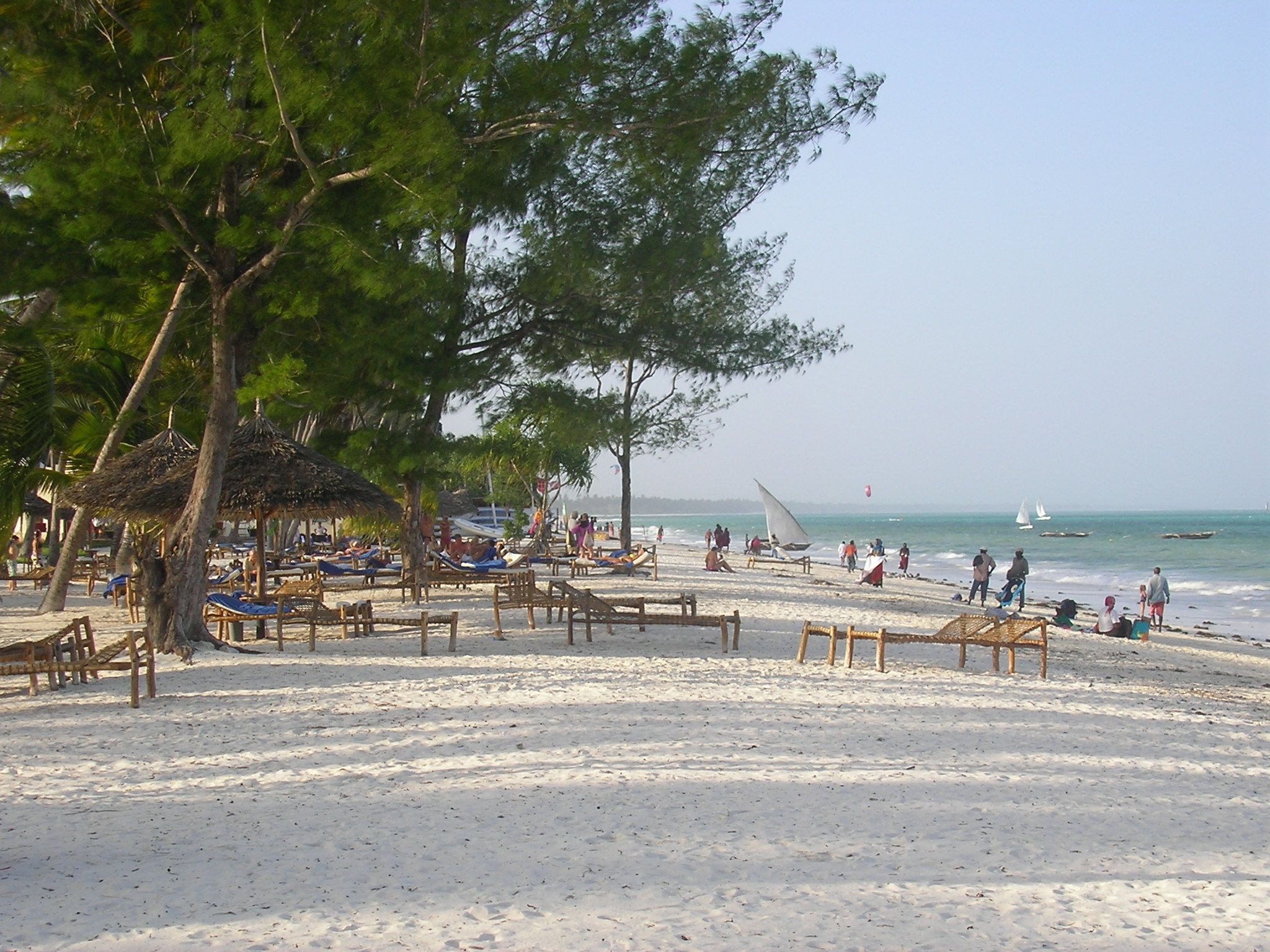
The beaches are the reason most people come, and they divide sharply by coast. The north tip, Nungwi and Kendwa, keeps deep water close to shore and swims at any tide, which is its single biggest practical advantage. The east and southeast coast, from Matemwe down through Kiwengwa, Paje and Jambiani, has wider, quieter sand behind a shallow reef, so the sea walks out for hundreds of metres at low tide and you swim on the higher water or in a pool.
Each stretch has its own character, and the beaches guide compares them coast by coast: Paje is the kitesurfing capital, a flat lagoon with steady trade winds and a row of kite schools; Matemwe faces Mnemba Atoll and the island’s best snorkelling and diving; Michamvi is the quiet, upscale corner of the southeast that catches both sunrise and sunset from one headland.
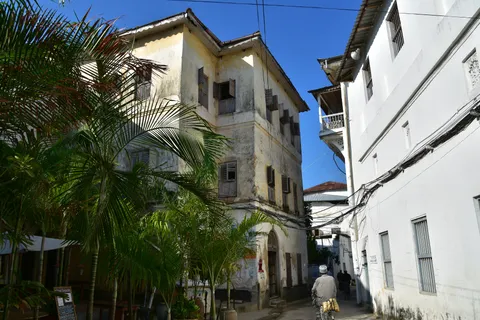
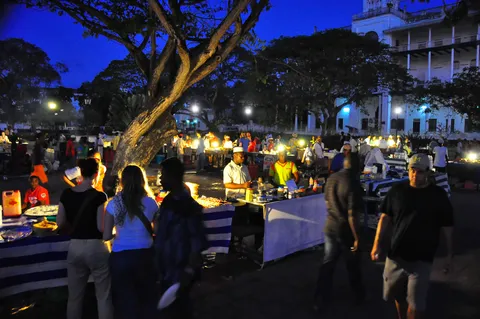
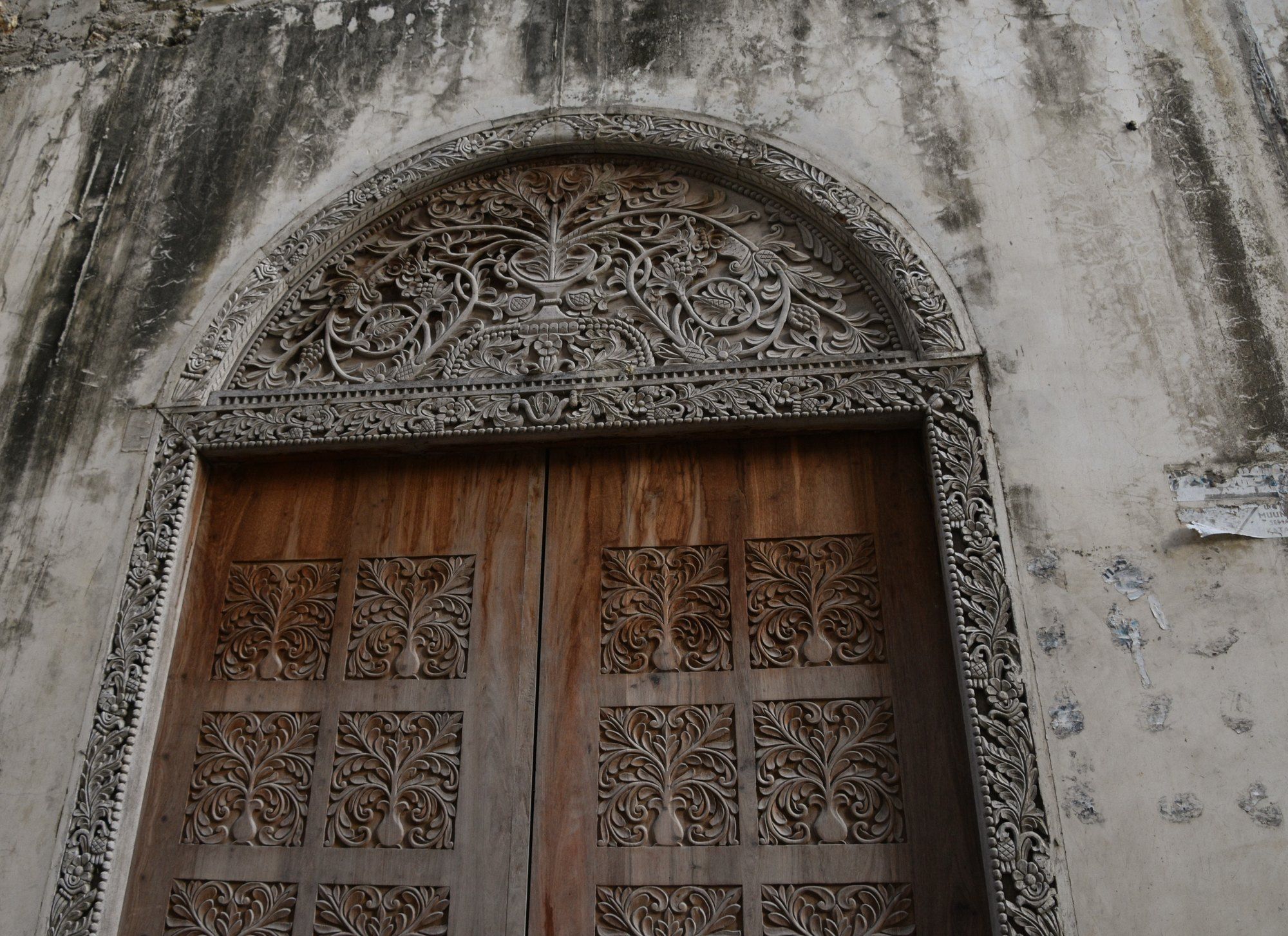
Stone Town is the historic heart of the island, and it is worth at least half a day, more if you like markets and old buildings. The UNESCO-listed old city, inscribed in 2000, is a maze of coral-stone alleys, carved wooden doors, mosques and bazaars, built on the Swahili, Arab, Indian and European trade that ran through here for centuries. The highlights, which the Stone Town guide strings into a walking route, are the Forodhani Gardens night market by the water, the sobering Old Slave Market and Anglican cathedral, and the house linked to Freddie Mercury, who was born Farrokh Bulsara here in 1946. One note: the House of Wonders, the big seafront palace, is closed for long-term reconstruction after a partial collapse in 2020, so you see it from the outside only.
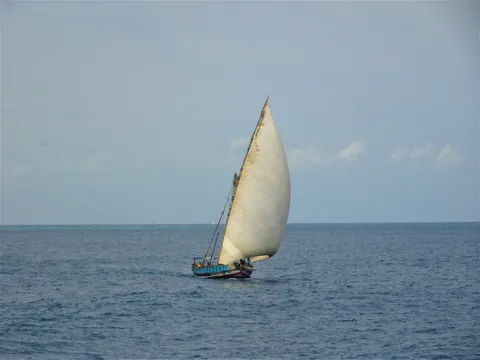
Beyond the beach, the day trips are what turn a week here into a proper trip, and the things to do guide prices them honestly with a view on which are worth it. In the water, snorkelling or diving at Mnemba Atoll off Matemwe is the standout. On land, a spice-farm tour explains why these were the original Spice Islands; Jozani, the island’s only national park, protects the red colobus monkey found nowhere else on Earth; and Safari Blue is a full-day dhow trip out of Fumba with snorkelling, a sandbank stop and a seafood lunch (roughly US$80 to 120 per person, 2026, verify). Dolphin tours run from Kizimkazi in the south, best booked with an operator that keeps its distance from the pods rather than chasing them.
Most Zanzibar holidays come down to one decision, and it is the coast, not the hotel. The north (Nungwi, Kendwa) is the easy first choice for reliable swimming and a lively scene; the east and southeast (Matemwe, Paje, Jambiani, Michamvi) trade swim-anytime water for wider, calmer sand; and Stone Town suits a culture-focused night or two near the airport. If you book the east for that wider beach, pick a hotel with a pool so the low-tide hours are covered. On price, budget rooms run under about US$60 a night, mid-range boutique and beach hotels sit around US$60 to 200, and the barefoot lodges and big resorts start over US$200 (2026, verify). Pick the area first and the shortlist of hotels almost writes itself.
Zanzibar’s food is Swahili at heart: seafood cooked with the island’s own spices, layered with Indian and Arab influence. Grilled fish and octopus, biryani and pilau, and street snacks like urojo soup and the fried “Zanzibar pizza” are the things to try. The cheapest, most atmospheric meal is the Forodhani night market in Stone Town, where vendors grill seafood by the water each evening. At the other end sits The Rock, the small restaurant built on a coral outcrop in the sea off Michamvi, the famous splurge you reach on foot at low tide or by boat at high (book ahead).
Getting there and around
You reach Zanzibar by flying into Abeid Amani Karume International Airport (ZNZ), about 5 km south of Zanzibar City, or by fast ferry from Dar es Salaam (around 2 hours, from about US$35 one way, 2026, verify). There are no nonstop flights from the USA or the UK as of 2026, so every long-haul trip connects, usually through the Gulf, Istanbul or an African hub like Nairobi or Addis Ababa; the getting to Zanzibar guide lays out the sensible routes. Once you land, the thing to know is that there is no reliable Uber or Bolt and no coast road linking the beaches, so crossing between them means driving inland through Stone Town. Most people use a hotel transfer or a taxi with the fare agreed before you set off, while on a budget the shared dala-dala minibuses cost cents rather than dollars but are slow and funnel through Stone Town; scooters and cars hire from about US$15 to 25 a day (2026, verify), with a local permit needed, frequent police checkpoints and driving on the left, all of which the getting around guide covers.
Visas, insurance and money
Most visitors need a Tanzania visa, bought in advance on the official portal (visa.immigration.go.tz). The single-entry tourist visa is US$50; US citizens must take the multiple-entry visa at US$100 (2026, verify). Separately, since October 2024 every non-resident has to buy the government’s mandatory Zanzibar inbound insurance from the Zanzibar Insurance Corporation, which is not the same thing as your own travel cover; the visa guide walks through both the eVisa and the ZIC step by step.
Zanzibar runs mostly on cash. The currency is the Tanzanian shilling, but US dollars are widely accepted for hotels, tours and entry fees, as long as the notes are dated 2009 or later and in good condition. ATMs exist in Stone Town and the bigger towns but can be unreliable or out of cash, so carry enough for the beaches and tours; the money and costs guide covers cards, tipping and what a week really adds up to.
What to really expect
Zanzibar mostly lives up to the pictures, but a few things catch first-timers out, and knowing them changes which week and which beach you book.
You feel the tides more than you expect. On the east and southeast coast the sea slides out hundreds of metres twice a day, leaving boats sitting on wet sand and a long barefoot walk to water deep enough to swim, then floods back a few hours later and the beach looks like the brochure again. It is part of the charm once you know it is coming; on the north tip it barely registers.
Then the seaweed. The east and southeast beaches have seaweed farms on the reef flats, tended mostly by local women, and loose drift weed washes up seasonally on top of that. It is heaviest around December to March and cleanest from about June to October, the opposite of what many people assume. Resorts rake their frontage, and the north coast is largely seaweed-free.
Ramadan is worth checking against your dates. In 2026 it runs roughly 18 February to 20 March (verify closer to travel). During daylight hours many local restaurants close or cut back, the pace slows, and visitors are expected to eat, drink and smoke discreetly rather than in the street. It is a Muslim island the rest of the year too, so modest cover away from the beach and a bit of discretion with alcohol go a long way; the what to wear guide has the specifics for men and women.
One quirk to pack for: Tanzania bans plastic carrier bags, so you hand any loose ones over on arrival, though ziplock toiletry bags are fine. Bring a reusable tote and leave the loose plastic at home.
The beach selling is constant. On the busier sands you will be offered boat trips, sunglasses, massages and “special price” most of the day, and it can wear thin by mid-afternoon. Almost none of it is a threat; a firm, friendly “hapana asante” (no thank you) and no real eye contact usually closes it down.
Two smaller realities: the power drops out now and then, so hotels run generators but a head torch still earns its place, and you do not drink the tap water, which is why bottled and filtered water is everywhere.
On safety, the island itself is calm, with trouble that is petty rather than violent, mostly bag-snatching in Stone Town and the odd overcharge. Tanzania does carry a US State Department Level 3 advisory (raised October 2025), but the terrorism and border warnings behind that rating apply to the far-southern mainland near Mozambique, not Zanzibar’s beaches, a line the is Zanzibar safe guide draws in full. Malaria is present year-round as well, so sort antimalarials and the rest of your health prep with a travel clinic before you go.
Plan your trip
So, is Zanzibar worth visiting? For beaches, culture and warm water most of the year, yes, as long as you go in clear-eyed about the tides and the season. Pick your window, settle on a coast and a hotel, then line up the days with a ready-made plan from the itineraries. Get those three right and the rest of the trip mostly takes care of itself.
Frequently asked questions
Is Zanzibar worth visiting?
For most travellers, yes. Zanzibar pairs white-sand beaches and warm, swimmable water with real culture in Stone Town and easy day trips like Mnemba snorkelling, a spice farm and Jozani forest, so it works as both a beach holiday and a cultural one. Go in knowing two things: the east-coast sea goes out a long way at low tide, so pick the north tip if you want to swim at any hour, and the wettest months are March to May. Plan around those and it delivers.
Where is Zanzibar?
Zanzibar is an archipelago in the Indian Ocean off the east coast of Tanzania, in East Africa, and it is part of the United Republic of Tanzania with its own semi-autonomous government. The main island, which most people simply call Zanzibar, is Unguja; the smaller, greener island of Pemba lies to the north. It sits just south of the equator, so it stays hot year-round, and runs on East Africa Time, three hours ahead of GMT.
Is Zanzibar expensive?
It can be either. Simple guesthouses, local food and shared transport put a budget day around US$40 to 70 per person, while boutique hotels and private tours push a mid-range day to roughly US$100 to 250, and the top resorts run well beyond that (2026, verify). Flights are usually the biggest single cost, and remember the compulsory extras on arrival: the Tanzania visa and the mandatory Zanzibar ZIC insurance. Our money and costs guide breaks down currency, cards, tipping and a realistic weekly budget.
Is Zanzibar safe?
Yes, for the most part. Huge numbers of visitors have a trouble-free trip each year, and what does go wrong is usually small stuff: opportunistic theft, persistent beach sellers and being quoted a tourist price. Keep your wits about you, cover up away from the beach and book transfers through your hotel after dark. Our Zanzibar safety guide has the full island-versus-mainland picture and the current travel advisory.
How long should you spend in Zanzibar?
Five to seven days is the sweet spot: enough for Stone Town, a beach and a boat trip without rushing. A long weekend of three to four days works if you pick one beach and mostly switch off. A full week lets you pair Stone Town with a beach and a day trip like Mnemba or Safari Blue. Add two or three days on top for a mainland safari. Our itineraries lay out day-by-day plans for each.
Mnemba Island is a tiny private island off Matemwe on Zanzibar's northeast coast, ringed by the best coral reef near Unguja. You cannot land on it, but boat tours snorkel and dive the surrounding marine conservation area, full of turtles and reef fish. Access needs a marine fee of about US$10 per adult (2026, verify) plus a boat trip of roughly US$40 to 90 per person, usually from Matemwe.
Jozani Forest is Zanzibar's only national park and the one place on Earth to see the endemic red colobus monkey. Entry is about US$10 to 12 per adult (2026, verify), a park ranger is included, and a guided visit takes one to two hours across a forest loop and a mangrove boardwalk. It sits in the centre-south of Unguja, on the main road to the east coast beaches.
The Rock is Zanzibar's most photographed restaurant, a table-topped coral rock in the sea off Pingwe beach on the Michamvi peninsula. Reach it on foot at low tide, by boat at high tide. Booking is essential, with a non-refundable US$10 per person deposit (2026, verify) taken off your bill, and a full seafood meal runs roughly US$60 to 90 per person. You pay for the setting, not the cooking.