
What to Wear in Zanzibar: Dress Code & Etiquette
Beach vs town, covering up, Ramadan and alcohol: how to dress respectfully on a Muslim island without overthinking it.
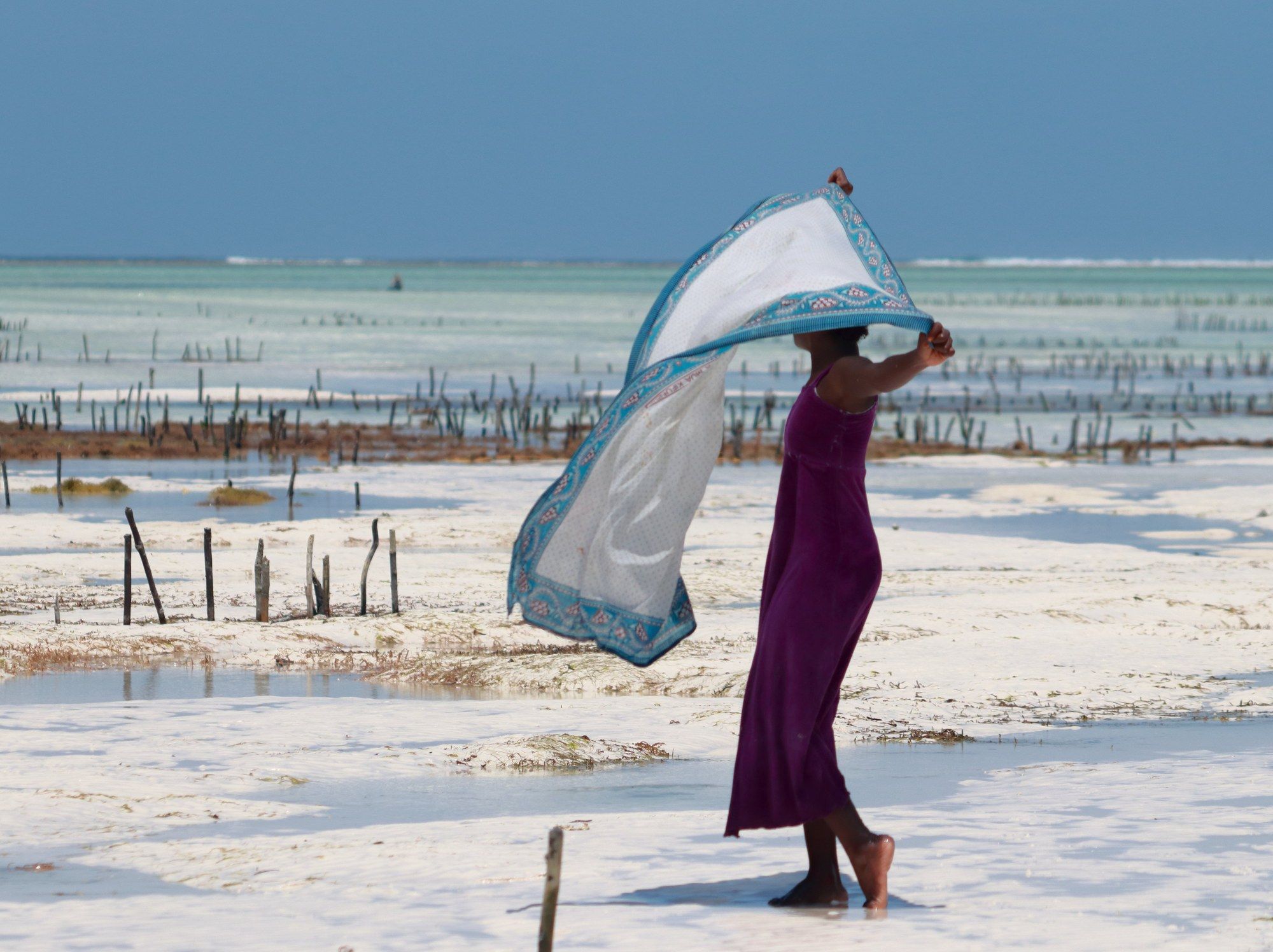
What to wear in Zanzibar comes down to one thing: where you are standing. It is an overwhelmingly Muslim island, so in Stone Town and the villages you cover your shoulders and knees. On the beach and inside your resort, swimwear is completely fine. During Ramadan, and around mosques, dress a notch more conservatively than usual.
That is the whole dress code in three sentences. Nobody expects a visitor to cover their hair or wear local dress, and no one will scold you for a bright shirt or a sundress. What locals do notice, and quietly mind, is beachwear worn through a market, or a couple in swimsuits wandering the alleys of a UNESCO old town. Get the beach-versus-town line right and everything else is easy. Here is how it works in practice, plus the parts most guides skip: Ramadan, alcohol, mosques, and the etiquette that keeps you on the right side of local norms.
Is Zanzibar a Muslim island?
Yes. Zanzibar is a semi-autonomous part of Tanzania, and it is overwhelmingly Muslim, with figures around 99 percent commonly cited. Islam runs through daily life here: the call to prayer over Stone Town, the rhythm of the working week, the way people dress. You notice it quickly, and meeting it with a little respect shapes how warmly you are treated.
For a visitor this is relaxed, not restrictive. Tourism is central to the economy and locals are used to foreigners, so you are not walking into a place that expects you to cover your head or hide your arms everywhere you go. The expectation is simpler: dress modestly once you leave the beach or resort, keep public behaviour low-key, and lean a bit more conservative during Ramadan and around religious sites. Do that and you will be welcomed warmly.
What to wear on the beach and at your resort
This is the relaxed end of the island. On the sand and within your hotel grounds, wear whatever you would wear on any beach holiday. Bikinis and swimsuits are normal. Men wear swim shorts or board shorts, and no shirt on the beach is fine.
Two limits apply everywhere, including the resorts: no topless sunbathing, and no thong-style bikinis. Both are treated as genuinely inappropriate, not just frowned upon, so leave them out of the suitcase.
The other habit worth building is the cover-up. Bring a sarong, kanga, kaftan, or a light dress you can pull on in seconds. You want it for the walk from your sun lounger to a beach bar, for lunch in the hotel restaurant, and for the moment a village or a fishing beach starts just past the resort fence. Men, the same idea: throw on a t-shirt or polo before you head to the lobby, the restaurant, or anywhere off the sand. A resort beach can sit right next to a working village, and the switch from one to the other happens in a few steps.
What to wear in Stone Town and the villages
Off the beach, the dress code tightens, and Stone Town is where visitors most often get it wrong. The rule is short: cover your shoulders and your knees. That applies to the old town’s alleys, the markets, the shops, the Forodhani food stalls, and any village you pass through.
For women, that means tops that cover the shoulders and are not low-cut, and bottoms that reach past the knee. A maxi dress, a midi skirt, loose linen trousers, or wide-leg culottes with a t-shirt all work and stay cool in the heat. For men, a t-shirt or a collared shirt with trousers or knee-length shorts is right. Skip the vest or sleeveless tank in town, and keep the very short shorts for the beach.
The single most useful thing you can carry is a light scarf or a kanga, the printed cotton wrap sold all over the island. It doubles as a shoulder cover when a shop turns out to be cooler and more traditional than you expected, a head cover if you step into a mosque, and shade on a hot walk. Buy one on day one and you will use it constantly.
One honest note on why this matters beyond good manners. The UK Foreign Office advises that authorities in Zanzibar can fine visitors, reportedly up to around US$700, for inappropriate or indecent dress. In practice, fines are rare and a friendly island is not looking to catch tourists out, but the rule exists, and it is one more reason to keep swimwear on the beach and cover up in town. Think of it as reading the room, not walking on eggshells.
Women’s clothing, in a little more detail
Because women field most of the “what do I actually wear” questions, here is the practical version. Pack a few loose, breathable pieces that cover shoulders and knees and pass anywhere: think maxi dresses, midi skirts, floaty trousers, and a couple of t-shirts or short-sleeved blouses. Natural fabrics like cotton and linen beat synthetics in the humidity. Add one or two swimsuits and a cover-up or two for the beach side of the trip.
You do not need long sleeves, a headscarf, or anything that reads as a costume. The goal is modest and comfortable, not covered head to toe. A scarf in your day bag handles the occasional stricter moment, a mosque visit or a conservative village, without you having to plan an outfit around it. Our Zanzibar packing list has the full run-down of what to bring and what to leave at home.
Men’s clothing
Men have it simple. On the beach, swim shorts and often no shirt. Off the beach, a t-shirt or shirt with trousers or longer shorts. The only real miss is walking around town shirtless or in a swimsuit, which comes across as disrespectful even if no one says anything. Cover up before you leave the sand and you are set. Lightweight cotton and linen keep you cool, and a hat and sunglasses do more work than any outfit choice in the equatorial sun.
Where to buy your cover-ups: kanga, kikoi and kitenge
You do not have to bring every cover-up from home. Some of the best ones are for sale all over Zanzibar, and buying a couple on day one is half the fun. The kanga is a rectangular printed cotton cloth, usually sold in pairs and printed with a Swahili proverb along the edge; local women wear it a dozen ways, and it makes a perfect beach wrap, shoulder cover or picnic blanket. The kikoi is a woven cotton wrap, often striped with a fringed edge, a little thicker and popular with men and women alike. Kitenge is the bolder, waxier printed fabric you will see stitched into dresses and shirts.
You will find all three in Stone Town’s Darajani market and the tourist shops, and in stalls near the bigger beaches. Haggle gently and expect to pay a few dollars for a kanga. Beyond being practical, they are the most useful souvenir you can buy, and wearing one reads as a small nod of respect rather than a costume.
Visiting a mosque
Some mosques and religious sites welcome respectful visitors, though many are not set up for tourism and a few are closed to non-Muslims entirely. If you do enter one, the dress code steps up: cover your arms and legs fully, women cover their hair with a scarf, and everyone removes their shoes. Ask before entering, wait for a clear yes, and keep your voice down and your camera away unless you are told photos are fine. Prayer times aside, early afternoon is usually the quietest window to ask.
Ramadan 2026: what changes and what does not
Zanzibar observes Ramadan seriously, and it reshapes daily life for the month. In 2026 it runs roughly from 18 February to 19/20 March, though the exact start and end depend on the moon sighting, so confirm the dates before you lock in travel (2026, verify before travel). If your trip lands in this window, a few things shift.
Your beach resort carries on more or less as normal. Restaurants, bars and pools stay open for guests, and you can eat and drink through the day inside the hotel. Out in Stone Town and the villages, though, many local restaurants close or cut back during daylight hours, the pace slows, and alcohol becomes harder to find in public. The etiquette is straightforward: dress a little more modestly than you otherwise would, and eat, drink and smoke discreetly in daylight rather than in the street or in front of people who are fasting. A bottle of water in your bag is fine; sipping it as you stroll past a mosque at noon is the thing to avoid.
After sunset the mood flips. Towns come alive as families break the fast, the food stalls fire up, and there is a real warmth to the evenings. Visiting during Ramadan is genuinely rewarding if you go in with the right expectations rather than expecting everything to run at full tilt. If your dates are flexible and you would rather avoid the daytime slowdown, our guide to the best time to visit Zanzibar lays out how Ramadan falls against the weather and the seasons.
Can you drink alcohol in Zanzibar?
You can, with a bit of awareness about where. Alcohol is legal and easy to find in the places built for tourists: hotels, resorts, beach bars, and tourist-facing restaurants all serve beer, wine and spirits. Nungwi and Kendwa in the north have proper sunset-bar scenes, and most mid-range and upmarket hotels have a bar.
Away from those, in local and village areas, alcohol is much less available, and drinking in the street or in public spaces is frowned upon. During Ramadan, expect it to be more discreet and harder to come by outside the resorts. None of this is a problem in practice. Have your sundowner at the beach bar, not walking through the village, and you are respecting the same line as the dress code: relaxed where tourists gather, modest where local life carries on.
Public affection, photos, and other etiquette
A few small habits round out the picture. Public displays of affection are best kept minimal. Holding hands is fine, but anything more than that reads as inappropriate in most settings and is worth saving for private spaces.
Always ask before photographing people, especially women and anyone in a religious setting. A smile and a gesture at your camera is enough, and some will say no, which you take gracefully. The doors, boats, markets and street scenes are yours to shoot freely; people are not.
A few words of Swahili smooth every interaction and are appreciated far out of proportion to the effort. “Jambo” or “Mambo” is a casual hello, with “Poa” the easy reply. “Habari?” asks how someone is, “Asante” is thank you and “Asante sana” is thank you very much, “Karibu” means welcome, and “Hapana asante” is a polite “no thanks” that works well with beach vendors. Leading with a greeting before you ask a question, take a photo, or start to bargain changes the whole tone of the exchange.
There is also a legal note worth stating plainly. Same-sex sexual activity is illegal in Tanzania, including Zanzibar, and carries severe penalties, and both the US State Department and the UK Foreign Office advise LGBT travellers to be discreet. Many gay and lesbian visitors travel to Zanzibar without incident, but public affection between same-sex couples is not advisable, and it is something to weigh honestly before you go. Our is Zanzibar safe guide covers this and the wider safety picture, including touts and petty theft, in more detail.
What to wear, by situation
If you would rather not think about it outfit by outfit, here is the quick version.
On the beach or by the pool: swimwear, with a cover-up within reach. In Stone Town, the markets or a village: shoulders and knees covered, a scarf in the bag. In a mosque: arms and legs fully covered, hair covered for women, shoes off. In the evening at a resort or nicer restaurant: smart-casual, still modest if you are heading out into town afterwards. On a spice tour or a walk in Jozani: closed-toe shoes, longer layers against sun, dust and the odd insect. Get those five right and you have covered every situation the island throws at you.
Everything else on the practical side of a Zanzibar trip, the entry rules, the money, the health prep, lives in the plan-your-trip guides. One thing that catches many visitors by surprise is the mandatory inbound insurance, which is separate from the travel cover you may already have.
For the full kit list that pairs with all of this, including the cover-ups, the scarf, and reef-safe sunscreen for those long beach days, head to our Zanzibar packing list.
Frequently asked questions
What should I wear in Zanzibar?
Light, breathable clothes in cotton or linen, plus swimwear for the beach. The one rule that matters is location. On the sand and at your resort, wear what you like. In Stone Town, the villages, markets and shops, cover your shoulders and knees. A loose dress or trousers and a top for women, a t-shirt and longer shorts or trousers for men, and a scarf you can throw on for shade or a mosque.
Is Zanzibar a Muslim country?
Zanzibar is a semi-autonomous part of Tanzania and is overwhelmingly Muslim, with figures around 99 percent commonly cited. Islam shapes daily life, dress and the calendar, so respectful behaviour is expected away from the beach. It is relaxed rather than strict for visitors, but covering up in towns and villages and dressing more modestly during Ramadan goes a long way.
Can you wear a bikini in Zanzibar?
Yes, on the beach and at your resort a bikini is completely normal. Topless sunbathing and thong-style bikinis are not acceptable anywhere. The moment you leave the sand for a village, a shop or a beach bar set back from the resort, pull on a sarong, kaftan or dress. Swimwear is for the beach and pool only, not for walking through town.
Can you drink alcohol in Zanzibar?
Yes, but only in the right places. Hotels, resorts, and tourist-facing bars and restaurants serve alcohol freely. In local and village areas it is much harder to find, and drinking in the street is frowned upon. During Ramadan alcohol is more discreet and less available in public. It is legal for visitors, just kept low-key out of respect for local norms.
What is the dress code during Ramadan?
During Ramadan you dress a little more modestly than usual, especially in towns and villages, and you eat, drink and smoke discreetly in daylight rather than in public. Your resort runs as normal for guests. Ramadan 2026 runs roughly 18 February to 19/20 March, though the exact dates depend on the moon sighting, so confirm them before you travel.
Is it okay to wear shorts in Zanzibar?
Shorts are fine on the beach and around your resort. In Stone Town and the villages, longer shorts that reach the knee are acceptable for men, while very short shorts read as beachwear and are best kept for the sand. Women are more comfortable in a dress, skirt or trousers that cover the knee in town. When in doubt, cover a little more.