
Zanzibar Health: Vaccinations, Malaria & Safety
Recommended vaccinations, year-round malaria, the yellow-fever rule, and simple food, water and sun advice.
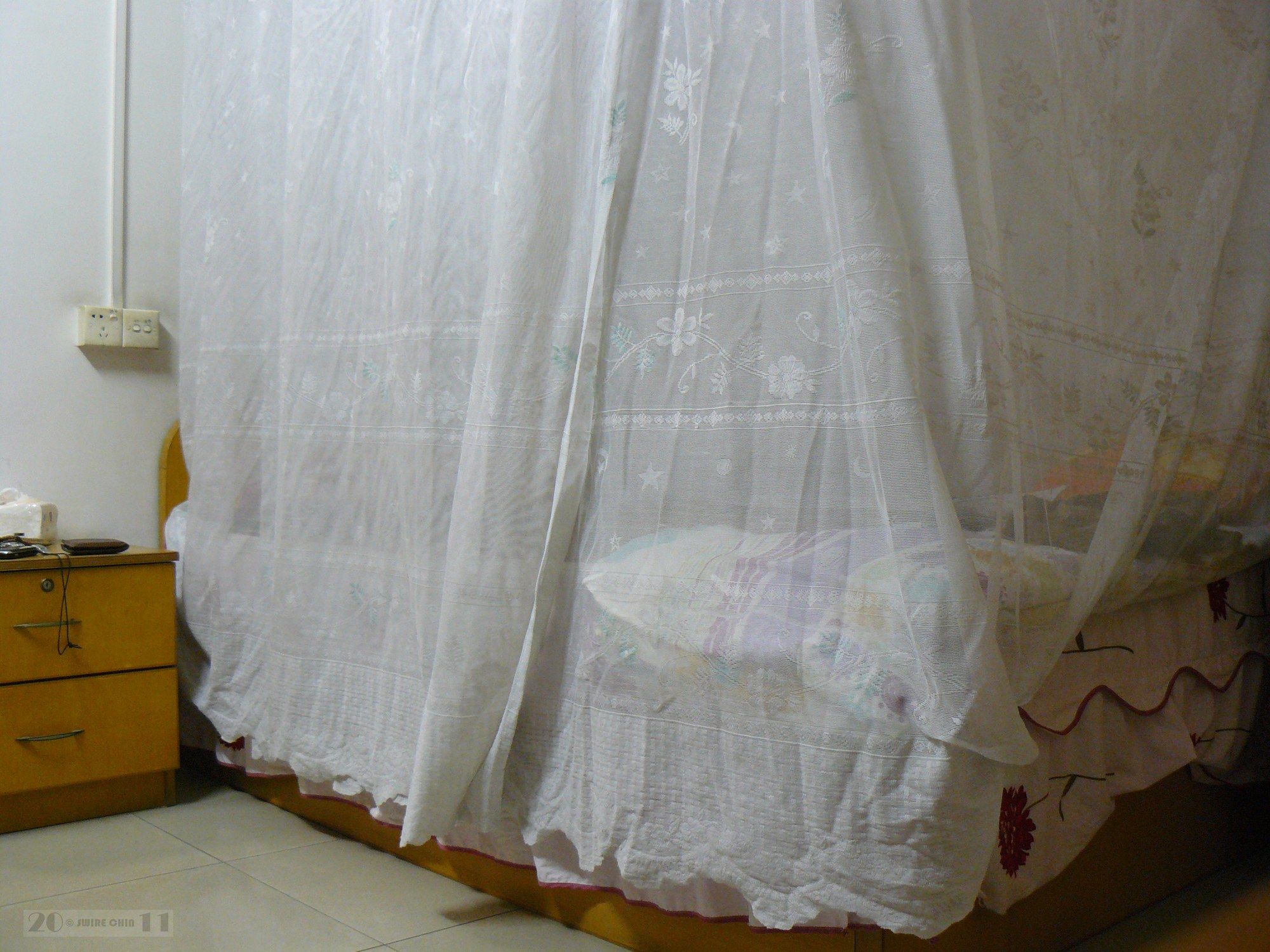
For Zanzibar, keep your routine and recommended travel vaccinations up to date, and plan for malaria all year: doctors recommend antimalarial tablets and mosquito-bite protection across the islands. A yellow-fever certificate is only needed if you arrive from a risk country. See a travel clinic about four to six weeks before you fly.
A quick note before the detail: this is general guidance to help you prepare, drawn from current CDC and NHS travel-health advice for Tanzania, not medical advice. Everyone’s health, medication and trip is different, so book a travel clinic or GP appointment and let them tailor the vaccines and malaria tablets to you. The good news is the plan is short, and only a few things need sorting well before you fly.
Do you need vaccinations for Zanzibar?
Here is the part the search results tend to muddle: nothing is legally required to enter Zanzibar if you fly in directly from the UK, the US, most of Europe, or another country without yellow fever. That is a separate question from what is recommended for your health, and the recommended list is short and sensible.
Start with your routine vaccines, the ones you would keep current at home: measles, mumps and rubella, diphtheria, tetanus and polio, and others depending on your age and history. A lot of travellers discover a booster is overdue only when a clinic checks.
On top of routine cover, travel clinics commonly recommend a small set for Zanzibar. The table below is the usual shape of the conversation, but the specifics depend on you and your trip, so use it to prepare questions, not as a shopping list.
| Vaccine | Who it is usually suggested for | Why |
|---|---|---|
| Routine (MMR, tetanus, polio and others) | Everyone, kept up to date | Baseline protection |
| Hepatitis A | Most travellers | Spread through food and water |
| Typhoid | Most travellers, especially longer or off-resort trips | Food and water |
| Hepatitis B | Longer stays, or possible medical or intimate exposure | Blood and bodily fluids |
| Rabies | Remote trips, animal contact, longer stays | Local treatment is limited; dogs, cats and bats |
| Yellow fever | Only if arriving from a risk country | An entry rule, not a disease risk in Zanzibar |
The reason to book early is timing. Some vaccines need more than one dose over a few weeks, and some malaria tablets are started before you arrive. About four to six weeks ahead is the sweet spot, though a clinic can still help if you have left it later. For a quick check of what to physically pack alongside your meds, see our Zanzibar packing list.
Malaria in Zanzibar: year-round risk and tablets
Malaria is the health topic most people underestimate for Zanzibar, so treat it seriously. It is present year-round across the islands, transmitted by mosquitoes that bite mainly between dusk and dawn. The risk is generally lower and more patchy than on the Tanzanian mainland, but it is real, and it rises during and after the rainy seasons, roughly March to May and again in November and December. Our best time to visit guide sets out those wet months if you are still choosing dates.
Because the risk is present all year, the CDC and NHS recommend that most travellers take antimalarial tablets as well as avoiding bites. There are several common options, and they differ in how they are taken, their cost and their side effects. This is exactly the decision to hand to a professional: a doctor or travel clinic will help you choose the tablet that suits your health, your trip length and your budget, and tell you when to start and stop it. Do not pick one from a forum or reuse an old prescription.
Think of prevention as the standard ABCD that clinics use:
- Awareness of the risk, which for Zanzibar means present all year, higher after rain.
- Bite avoidance, the half you control day to day.
- Chemoprophylaxis, the tablets, taken exactly as prescribed for the full course including after you get home.
- Diagnosis, meaning if you get a fever, chills, headache or flu-like symptoms up to a year after your trip, see a doctor promptly and tell them you have been to a malaria area.
The bite-avoidance half is simple and effective, so do not lean on tablets alone. Use a repellent with DEET or an equivalent, especially from late afternoon into the evening. Cover up with long sleeves and trousers at dusk. Sleep under a net if your room is not sealed or air-conditioned, and use the plug-in or coil the hotel provides. These same habits also guard against dengue, another mosquito-borne illness that occurs here and is spread by daytime biters, so bite protection is worth keeping up around the clock.
The yellow-fever rule, explained simply
Yellow fever confuses a lot of travellers, so here is the whole rule in plain terms. There is no yellow fever in Zanzibar, and no requirement to be vaccinated if you arrive directly from a country without it, which covers the UK, the US and most of Europe.
The certificate is only required if you are arriving from, or have recently passed through, a country where yellow fever is transmitted, such as Kenya, Uganda, and a number of others in Africa and South America. Zanzibar’s port-health checks can be strict about this. The trigger can include a transit stop, and a longer layover in a risk country (some rules use a 12-hour threshold) can be enough to require the certificate, so confirm the current rule for your exact route.
The practical takeaway is about itineraries. If Zanzibar is the beach half of a trip that starts with a safari in Kenya, Uganda or the Tanzanian mainland’s yellow-fever zones, get the vaccine and carry the certificate. If you are flying in straight from home with no risk-country stop, you do not need it for entry. One dose of the yellow-fever vaccine now counts as lifelong protection under international rules, but it is only given at designated centres and the certificate becomes valid ten days after the jab, so this is another reason not to leave your clinic visit late. Either way, the visa and entry guide covers the paperwork you do need, including the mandatory ZIC insurance.
Food and water: what is safe
Most travel tummy trouble on Zanzibar comes down to food and water, and a few habits prevent the great majority of it. There is a real background risk of typhoid and hepatitis A, which is why both are commonly recommended vaccines, plus the everyday stomach upsets any new destination can bring.
The rules are easy to follow:
- Do not drink the tap water. Use sealed bottled water, or water you have filtered or boiled, and use it for brushing your teeth as well.
- Be careful with ice unless you are confident it was made with safe water.
- Favour food that is freshly cooked and served hot. Busy places with high turnover are usually a good sign.
- Peel fruit yourself, and be a little cautious with raw salads, unpasteurised dairy and anything left sitting out.
None of this means avoiding local food, which is one of the best parts of Zanzibar. Forodhani market, a plate of urojo, fresh seafood off the grill: all fair game when they are cooked to order and hot. The most common thing that actually goes wrong is ordinary travellers’ diarrhoea, which usually passes in a day or two with rest and plenty of fluids. Pack oral rehydration sachets and a basic anti-diarrhoea remedy, keep drinking, and see a doctor if it is severe, lasts beyond a couple of days, or comes with a high fever or blood, since that needs proper attention. A refillable bottle with a built-in filter is a smart buy that cuts both the risk and the plastic. The packing list has the full health kit.
Sun, heat and the sea
Zanzibar sits just south of the equator, so the sun is strong all year, even on hazy or breezy days, and the sea breeze hides how much you are burning. Sunburn and heat are the everyday health issues most visitors actually meet. Use a high-SPF sunscreen and reapply after every swim, and choose a reef-safe one, since ordinary sunscreens damage the coral you came to snorkel over. Wear a hat and a rash top for long sessions in the water, drink more than feels necessary in the heat and humidity, and take the middle of the day slowly rather than sightseeing through it. Heat rash and mild heat exhaustion sneak up on people who push too hard on day one, so ease in.
On the water, watch for sea urchins and coral cuts on the shallow reef flats, wear reef shoes if you are walking out at low tide, and rinse and disinfect any scrape, because small cuts get infected quickly in warm salt water. Follow local advice on currents and tides, especially on the east coast where the sea walks out a long way at low tide and comes back fast.
Who should take extra care
Most healthy adults handle Zanzibar on the basics above, but some travellers need a longer conversation with a doctor, and it is worth flagging before you book.
If you are pregnant, or trying to be, malaria is more dangerous and not every antimalarial is safe to take, so get specific medical advice early; some doctors advise against travelling to a malaria area while pregnant at all. Families with young children need child-appropriate vaccines, tablet doses and repellents, and babies cannot take some of them, which makes a clinic visit essential rather than a nice-to-have. Older travellers, anyone with a long-term condition or a weakened immune system, and anyone on regular medication should check how their health and their drugs interact with the vaccines, the malaria tablets and the heat, and carry a written list of their medicines and doses in case they need care while away. None of this is a reason to stay home. It just means the standard checklist is your starting point, not the whole answer.
Medical care and travel insurance
Be realistic about the medical setup. Care on Zanzibar is limited, particularly outside Stone Town, and a serious illness or accident can mean evacuation to Dar es Salaam on the mainland or further afield. Pharmacies in Stone Town and larger towns stock the basics, but do not count on finding a specific medication, so bring your own prescription drugs in their original packaging with a copy of the prescription, plus a small personal first-aid kit.
This is why insurance matters, and where two different things get mixed up. Every visitor must buy the government’s mandatory ZIC inbound insurance, which covers only limited emergency medical care and evacuation while you are on the islands.
That ZIC policy is not the same as, and does not replace, your own comprehensive travel insurance. Buy a personal policy with a high medical limit that explicitly includes medical evacuation and repatriation, and check that it covers what you plan to do, since diving, kitesurfing and riding a scooter are common exclusions unless you add them. If your trip also includes the mainland for a safari, make sure the policy covers that too. Our money and costs guide explains the ZIC-versus-personal-insurance split in full.
See a travel clinic before you go
The one action that ties all of this together is a single appointment. Book a travel clinic or GP visit about four to six weeks before you fly, and bring your travel dates, your route (flag any safari or mainland leg), and your vaccination history. They will check your routine boosters, recommend the travel vaccines that fit your trip, sort your malaria tablets and start dates, and answer the yellow-fever question for your exact itinerary.
If your departure is sooner than a month away, go anyway. A clinic can often still give worthwhile protection and advice at short notice. Get the appointment done, pack your repellent and prescriptions, buy both kinds of insurance, and the health side of Zanzibar is well handled. From here, line up the rest of your planning with the visa and entry guide and the best time to visit guide.
Frequently asked questions
Do you need vaccinations for Zanzibar?
No vaccinations are legally required to enter Zanzibar if you arrive directly from the UK, US, Europe or another non-risk country. But doctors recommend several. Make sure your routine jabs are up to date, and travel clinics commonly advise hepatitis A and typhoid for Zanzibar, with hepatitis B and rabies suggested for longer stays or higher-risk trips. Book a travel clinic or GP appointment about four to six weeks before you fly so there is time for any course to work.
Do I need malaria tablets for Zanzibar?
Malaria is present year-round across Zanzibar, so the CDC and NHS recommend antimalarial tablets for most travellers, alongside strict mosquito-bite protection. The risk is generally lower than on the Tanzanian mainland but real, and it rises after the rains. A doctor or travel clinic will help you choose between the common options based on your health, your trip and your budget, and tell you when to start the course. Do not self-prescribe; get proper advice.
Is there yellow fever in Zanzibar?
Zanzibar is not a yellow-fever risk area, so there is no yellow fever to catch there and no vaccine requirement if you fly in directly from a non-risk country such as the UK, US or most of Europe. A yellow-fever certificate is only required if you arrive from, or have recently transited, a country with yellow fever transmission, for example Kenya, Uganda or several others in Africa and South America. Combined East-Africa trips should carry the certificate.
Is the tap water safe to drink in Zanzibar?
No. Do not drink the tap water in Zanzibar. Stick to sealed bottled water or water you have properly filtered or boiled, use it for brushing your teeth too, and be wary of ice unless you know it was made with safe water. Peel fruit yourself and favour freshly cooked, hot food. A refillable bottle with a good filter cuts both the risk and the plastic waste.
How far ahead should I see a travel clinic?
Aim for about four to six weeks before you travel. That gives time for vaccines to take effect, for any course that needs several doses, and to start malaria tablets on schedule, since some are begun days before arrival. If your trip is sooner than that, still go: a clinic can often give useful last-minute protection and advice. Bring your travel dates, your itinerary and your vaccination history.