
Is Zanzibar Safe to Visit? An Honest Look
The honest 2026 answer: what the advisories say, Zanzibar vs the mainland, and real precautions for solo, family and night-time travel.
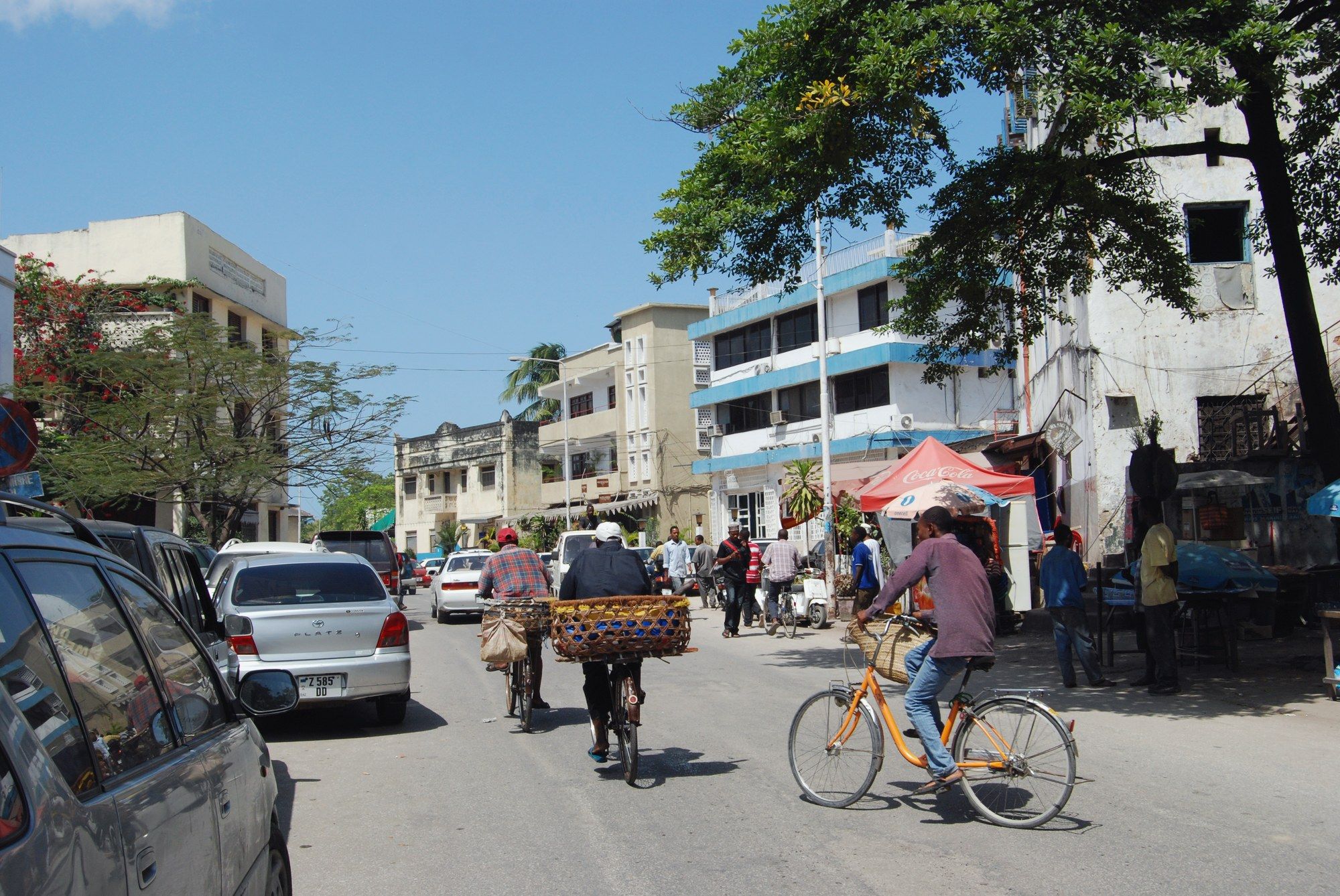
Is Zanzibar safe? For most travellers, yes. The island sees huge numbers of tourists each year, and the real risks are petty theft and pushy beach touts, not violent crime. The US State Department’s Level 3 “Reconsider Travel” advisory (31 October 2025) covers Tanzania as a whole, and its strictest terrorism warnings apply to mainland border regions, not Zanzibar’s beaches.
That is the short version. The longer version matters, because 2026 is a more cautious year than Zanzibar has seen in a while, and the honest picture is neither “perfectly safe, nothing to worry about” nor “dangerous, stay away.” It sits in between, and where you land depends on knowing which warnings apply to the islands and which apply to the far side of the mainland. Here is what the advisories actually say, what the real day-to-day risks are, and how to travel smart.
What the 2026 travel advisories actually say
Start with the official sources, because the headlines can sound scarier than the reality on a Zanzibar beach.
The US State Department rates Tanzania, which includes Zanzibar, at Level 3, “Reconsider Travel”. It raised the country to that level on 31 October 2025, citing crime, terrorism, civil unrest, and the targeting, arrest, and harassment of LGBT individuals. Level 3 is the second-highest of four tiers. It is not “Do Not Travel,” and it does not mean the country is off-limits. It means read the detail and make an informed choice.
The UK Foreign Office (FCDO) does not blanket-warn against Tanzania. It advises against all-but-essential travel to parts of the mainland near the Mozambique border (the Mtwara region) because of a terrorism threat, and it flags everyday crime risks countrywide: armed robbery and bag-snatching, including in Dar es Salaam and Stone Town, occasional “express kidnappings” where someone is forced to withdraw cash at an ATM, and the risk of demonstrations after the 29 October 2025 mainland election. Australia and Canada publish broadly similar advice.
Here is how the main advisories compare for a 2026 trip.
| Government | Rating (2026) | Main reasons given | What it means for a beach trip |
|---|---|---|---|
| US State Department | Level 3, Reconsider Travel (from 31 Oct 2025) | Crime, terrorism, civil unrest, LGBT targeting | Read the detail; the terrorism warning centres on the mainland Mtwara border, not Zanzibar |
| UK FCDO | No general warning; avoid all-but-essential travel to Mtwara border only | Terrorism near Mozambique; armed robbery, bag-snatching, express kidnapping; post-election unrest | Zanzibar’s beaches are outside the “avoid” zone; general petty-crime caution applies |
| Australia / Canada | Exercise a high degree of caution; higher for the Mtwara border | Crime, terrorism (border), civil unrest | Similar message: islands fine with care, avoid the far-south mainland border |
Advisory levels change, sometimes at short notice, so check your own government’s live page in the week before you fly rather than relying on this snapshot. None of this makes Zanzibar risk-free, and you should not travel expecting it to be. It does, however, put the scary-sounding words in proportion.
Zanzibar versus mainland Tanzania: the line that matters
This is the single most useful thing to understand, and most reassurance blogs skip it.
The terrorism warnings that drive the headlines are about the mainland, specifically the Mtwara region in Tanzania’s far south, up against the Mozambique border, where a jihadist insurgency has spilled across from northern Mozambique. That is several hundred kilometres from Zanzibar’s beaches, across open water. Zanzibar is a semi-autonomous archipelago in the Indian Ocean, and its two main islands, Unguja (the one everyone calls Zanzibar) and Pemba, are not part of that threat picture.
So when an advisory says “terrorism” for Tanzania, it is not telling you Nungwi or Paje is a target. It is telling you not to road-trip to the Mozambique border. If your trip is the usual Stone Town and beach itinerary, those specific restrictions do not touch you.
What does carry across to the islands is the ordinary stuff: petty theft, scams, and the need for standard city sense in Stone Town. Bag-snatching and pickpocketing happen in the same places they happen anywhere with crowds and visible wealth. Treat Zanzibar like any unfamiliar destination with a big gap between tourist and local incomes, and you have the right mindset. For the wider planning picture, our plan your trip guide pulls together safety, money, health, and what to pack.
The real risks on the ground
Forget the geopolitics for a moment. Here is what actually goes wrong for visitors, in rough order of how often you will meet it.
Petty theft and bag-snatching. The most common problem by far. Phones, cameras, and bags get lifted in crowded markets, on busy beaches while you swim, and occasionally by someone on a passing motorbike in Stone Town. Keep your passport and spare cash in the room safe, carry only what you need, and do not leave belongings unwatched on the sand.
Overcharging and commission scams. Not dangerous, just annoying and costly. Taxis without agreed fares, “friends” who steer you to a shop or tour for a cut, inflated prices for tourists. Agree every taxi fare before you get in, book tours through your hotel or a reputable operator, and treat unsolicited “special deals” with polite suspicion.
Beach touts, the papasi. On tourist beaches you will meet persistent but almost always non-violent vendors and self-appointed guides selling boat trips, souvenirs, sunglasses, and “spice.” They can be wearing, especially for solo travellers. A firm, friendly “hapana asante” (no thank you) and steady walking usually ends it. Do not book excursions from them on the sand; you have no comeback if the trip is not what was promised.
Express kidnapping and ATMs. Rare, but the FCDO mentions it, so it is worth naming: a victim is forced to withdraw cash from a machine. Reduce the odds by using ATMs inside banks or hotels in daylight, not standalone machines at night, and by not carrying or flashing large amounts of cash.
Roads. Genuinely one of the higher risks, and one the brochures ignore. Driving on Unguja can be chaotic, overtaking is optimistic, and road conditions vary. Use professional drivers and arranged transfers rather than self-driving where you can, wear a helmet if you rent a scooter, and avoid being on the roads late at night.
The sea. The east and southeast coasts sit on a broad reef flat, so at low tide the water can retreat hundreds of metres, sometimes close to a kilometre, exposing reef, urchins, and seaweed farms. Currents and reef cuts are the real beach hazards, not sharks. Take local advice on where and when to swim, and know that the north coast around Nungwi and Kendwa stays swimmable at almost any tide. Our best time to visit guide explains how the tides and seasons shape a trip.
Do’s and don’ts for a smooth trip
A quick, scannable version of the advice above.
Do:
- Agree taxi fares before you set off, and use hotel or arranged transport at night.
- Keep your passport, spare cash, and valuables in the room safe.
- Dress modestly away from the beach, covering shoulders and knees in Stone Town and villages.
- Carry small, crisp US dollar notes (Series 2009 or newer) plus some local shillings.
- Register with your government’s traveller program and note your embassy’s contacts.
Don’t:
- Walk alone on empty beaches or through unlit alleys after dark.
- Flash phones, jewellery, or wads of cash in crowds or markets.
- Book tours or buy “spice” from touts on the beach.
- Use isolated ATMs at night or accept help at a cash machine.
- Show same-sex affection in public, given the local law (more on that below).
Is Zanzibar safe for solo and female travellers?
Yes, with the usual precautions, and plenty of women travel Zanzibar alone and love it. The trade-off is more attention and more persistent touting than a couple or group attracts. Dress modestly in town and villages, keep swimwear to the beach and resort, and lean on trusted hotel transfers rather than walking alone late. Isolated beach stretches after dark are the main thing to avoid. A confident, polite, slightly reserved manner deflects most unwanted attention, and a firm “hapana asante” ends most sales pitches. What you wear matters more here than in many destinations, and our what to wear guide covers the dress code and etiquette in detail.
Is Zanzibar safe at night?
In the busy, lit places, yes. Beach resorts run their own security, and Stone Town’s seafront, the Forodhani night market, and the main streets stay lively and fine in the evening. The risk climbs the moment you leave the light and the crowd: quiet Stone Town alleys and empty beaches are where bag-snatching happens after dark. The simple fix is transport. Take a taxi or your hotel’s transfer for the short hops between a restaurant and your room, agree the fare first, and save the moonlit beach walks for stretches right in front of a busy hotel.
Is Zanzibar safe for families?
It is a well-trodden family destination, and most families have an easy time. Base yourself on the north coast, around Nungwi or Kendwa, and the sea stays deep enough to swim at any tide, which removes the low-tide walk-out that frustrates small children on the east coast. The bigger family considerations are practical rather than criminal: fierce equatorial sun, so cover up and hydrate; big tides and reef, so supervise closely in the water; and malaria precautions, which a travel clinic can advise on before you go. Our health guide covers malaria, vaccinations, and the yellow-fever rule.
LGBTQ+ travellers: the legal reality
This is a factual note, not a moral one. Same-sex sexual activity is illegal in Tanzania, including Zanzibar, and carries severe penalties. Both the US State Department and the UK Foreign Office specifically warn LGBT travellers about the risk of arrest and harassment and advise discretion. Public displays of affection between same-sex couples can draw unwanted, and potentially legal, attention. Many LGBT visitors travel to Zanzibar and stay at international resorts without incident by being discreet in public, but you should go in with a clear understanding of the law. Our what to wear and etiquette guide covers local customs and public behaviour more broadly.
Money, scams, and staying covered
Two safety-adjacent things trip visitors up: cash and cover.
Zanzibar runs largely on cash, and US dollars are widely accepted for hotels, tours, and larger purchases, but notes must be Series 2009 or newer and in crisp condition or they are often refused. ATMs can be unreliable or out of cash, so carry enough, and keep it split between the room safe and a day wallet. The commission and overcharging scams above are the everyday reality; agreeing prices upfront defuses nearly all of them. For a full breakdown of costs, cash-versus-card, and personal travel insurance, see our money and costs guide.
On cover, note that Zanzibar has its own mandatory inbound insurance on top of anything you buy yourself.
That government policy is a health-and-evacuation baseline, not a substitute for comprehensive personal travel insurance with medical evacuation, which is strongly worth having given that local medical facilities are limited. The entry requirements, including this insurance and the visa, are covered in our Zanzibar visa and entry guide.
So, should you go?
Yes, most people should, with their eyes open. Zanzibar in 2026 is a place where the overwhelming majority of visitors have a warm, easy, memorable trip, and where the realistic risks are the ones you can manage: watch your bag, agree your fares, respect local dress and customs, take care on the roads and in the sea, and stay out of unlit, empty places alone at night. The Level 3 advisory is real and worth respecting, the terrorism warnings genuinely centre on a mainland border far from the islands, and none of it makes Zanzibar risk-free. Travel like a sensible guest rather than a nervous one, check your government’s live advice before you fly, and the island rewards you. When you have the safety picture straight, our plan your trip guide walks you through the rest of the practical prep.
Frequently asked questions
Is Zanzibar safe for American tourists?
Yes, for the most part. Large numbers of American visitors travel to Zanzibar every year and have trouble-free trips. The one thing to know is that the US State Department has Tanzania at a Level 3 'Reconsider Travel' advisory (elevated 31 October 2025), citing crime, terrorism, civil unrest and the targeting of LGBT people. The strongest terrorism warning is for the far-southern Mtwara region on the mainland, not Zanzibar. Register with the STEP program, take normal city precautions, and you will most likely have an easy holiday.
What are the risks of going to Zanzibar?
The realistic risks are petty and opportunistic rather than violent: bag-snatching and pickpocketing in Stone Town and on beaches, overcharging and commission scams, and persistent beach touts. The UK FCDO also flags armed robbery and occasional express kidnappings, where someone is forced to withdraw cash from an ATM. Road accidents are a genuine hazard because driving can be chaotic, and the east-coast tides and reef mean you should take local advice before swimming. Terrorism warnings apply to the mainland Mozambique border, not the islands.
What are the do's and don'ts in Zanzibar?
Do use hotel or arranged transport at night, agree taxi fares before you set off, keep valuables in the room safe, dress modestly away from the beach, and carry small, crisp US dollar notes. Don't walk alone on empty beaches or unlit alleys after dark, don't flash phones, jewellery or cash, don't take tours or 'spice' from beach touts, and don't show same-sex affection in public given the local law. A firm, polite 'hapana asante' (no thank you) handles most touts.
Where should I avoid in Zanzibar?
On the islands there is no no-go zone for tourists, but be extra alert in crowded parts of Stone Town, the Darajani market and quiet beach stretches after dark, where bag-snatching is most likely. On the Tanzanian mainland, both the US and UK governments warn against non-essential travel to the far-southern Mtwara region near the Mozambique border because of a terrorism threat. That warning does not apply to Unguja or Pemba, Zanzibar's main islands.
Is Zanzibar safe for solo female travellers?
Generally yes, and many women travel Zanzibar solo without problems, but expect more attention and persistent touting than a couple would. Dress modestly in Stone Town and villages, cover shoulders and knees away from the beach, and keep swimwear to the resort. Avoid isolated beaches and unlit streets alone at night, use trusted hotel transfers rather than walking late, and trust your instincts with over-friendly strangers or 'guides'. A confident, polite manner goes a long way.
Is Zanzibar safe at night?
Beach resorts and busy tourist areas are fine in the evening, and Stone Town's Forodhani night market and lit main streets are popular after dark. The risk rises when you leave the lit, busy areas: avoid walking alone through quiet Stone Town alleys or along empty beaches at night, when bag-snatching is most likely. Use a taxi or your hotel's transfer for the short hops between dinner and your room, and agree the fare first.
Is Zanzibar safe for families?
Zanzibar is a popular and generally easy family destination, especially if you base yourself at a resort on the calmer north coast, where the sea stays swimmable at any tide. The usual family cautions apply: strong equatorial sun, big tides that walk the sea out hundreds of metres on the east coast, and the need for malaria precautions, which a travel clinic can advise on. Petty theft is the main crime concern, and violent crime affecting families is rare.
Is Zanzibar safe right now?
As of mid-2026, Zanzibar itself is calm and welcoming to tourists, and its beaches are not covered by the terrorism warnings that apply to the mainland Mozambique border. Even so, the US has Tanzania at Level 3 'Reconsider Travel' (since 31 October 2025) and there was significant unrest around the October 2025 mainland election, so advisories are more cautious than in past years. Check your own government's live advice close to departure, as ratings change.