Where to eat in Zanzibar by area, the Swahili dishes worth ordering, Forodhani night market, The Rock, and the island's honest, low-key nightlife scene.
By Travel Zanzibar Editorial Team · Last updated:
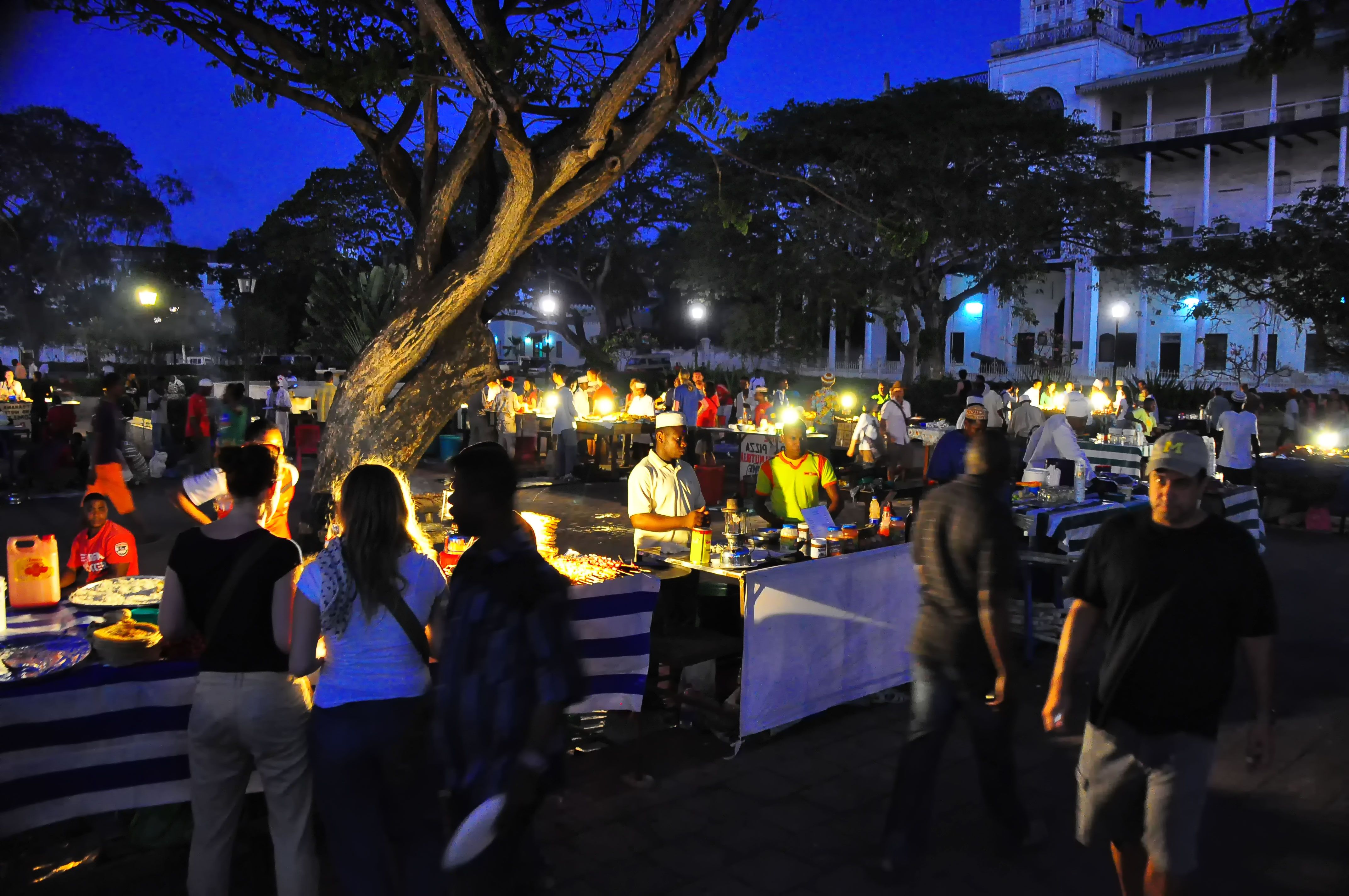
Forodhani night market is the cheapest and most atmospheric meal on the island, and a good place to start eating your way around Zanzibar. Photo: Rod Waddington / CC BY-SA 2.0
Zanzibar food is Swahili-spiced seafood at heart, with heavy Indian and Arab influence: grilled fish, biryani, pilau, urojo and “Zanzibar pizza”. Eat cheap and atmospheric at Forodhani night market, sit down in Stone Town, or grab a beach table on the coasts. We date every price so you can budget honestly.
Eating well here is easy and rarely expensive. The catch that trips people up is where the good food actually is: the beach resorts feed you fine, but the range and the interesting cooking are in Stone Town, and a lot of the best meals are the cheap ones. This guide sorts the island by where to eat, what to order, the two set-piece meals worth planning around (Forodhani and The Rock), and what a night out really looks like. Prices are 2026 guide figures to check when you go.
Where to eat by area
Food follows the same map as the beaches. Stone Town has the depth and the variety; the beach areas are more about fresh fish, sunset tables and your hotel kitchen. Here is the short version by area, each linking to the full local picks.
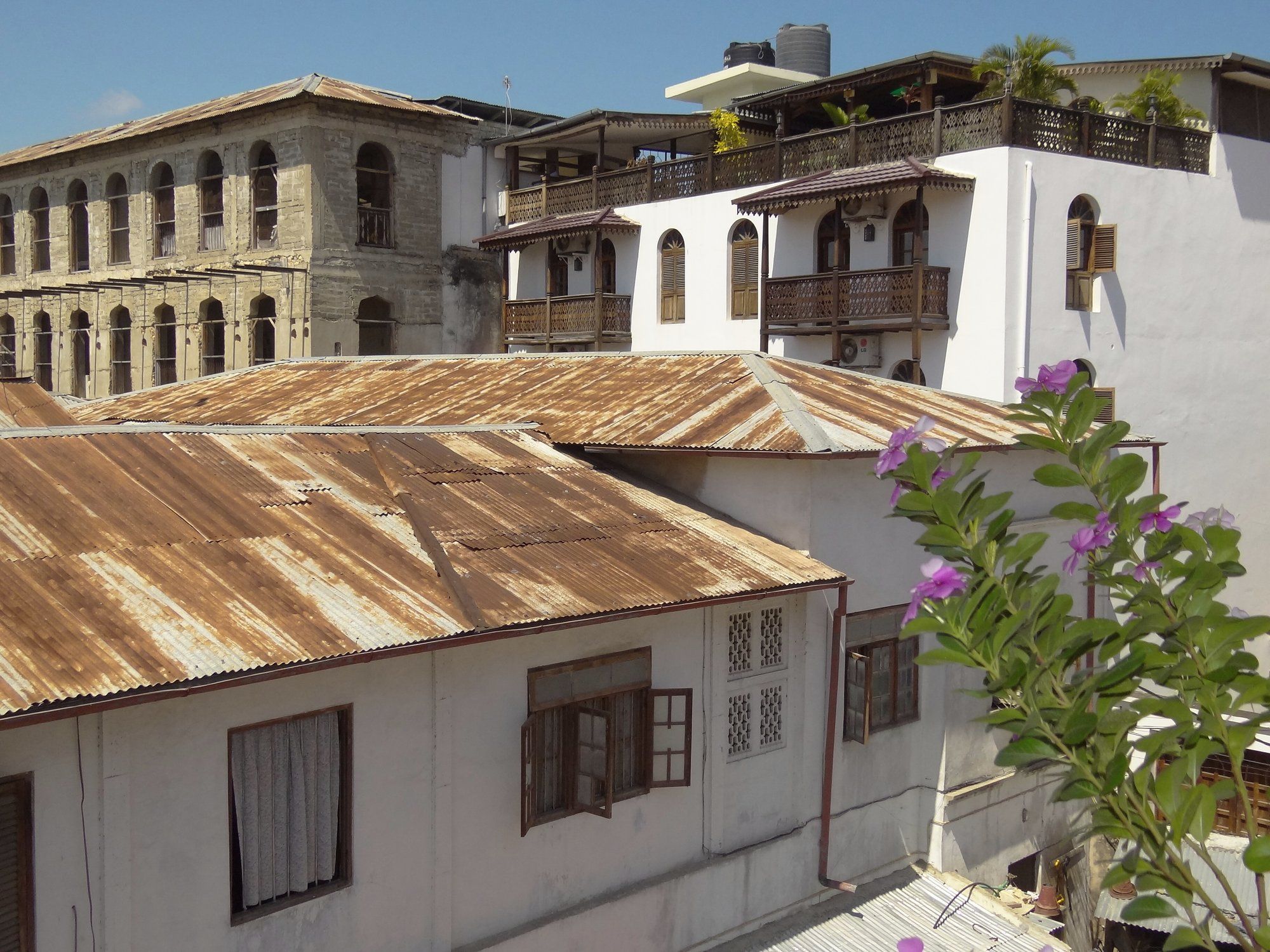
Stone Town is where most people eat best. It has the widest choice on the island, from the Forodhani night-market grills to rooftop terraces with harbour views and restored merchant houses doing Swahili and Indian plates. It’s also the one place you can eat a proper sit-down dinner and a cheap street plate on the same night. See where to eat in Stone Town.
Nungwi, on the busy north tip, has the liveliest run of beach restaurants and sunset bars, plus fresh fish grilled near where the dhows land. It’s the best beach for eating out rather than eating in. Our Nungwi restaurants guide has the picks.
Kendwa, just south of Nungwi, is quieter and more resort-led, and its thing is a barefoot seafood dinner as the sun drops into the sea, one of the better sunset spots on the coast. See where to eat in Kendwa.
Paje, on the southeast lagoon, is the east coast’s cafe and beach-bar hub, built around the kite and remote-worker crowd: smoothie bowls, wood-fired pizza, and beach bars that run late for the coast. Browse where to eat in Paje.
Matemwe, up on the quiet northeast, is lodge country, so most dinners are at your hotel, with a handful of simple local spots grilling the day’s catch. Good if you want calm over choice. See where to eat in Matemwe.
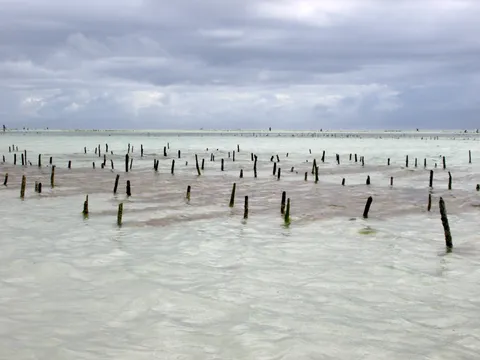
Jambiani, a working fishing and seaweed village on the southeast coast, is the cheap and honest end: beach shacks and guesthouse kitchens serving whatever came in that morning. It’s the anti-resort meal. See where to eat in Jambiani.
What to eat in Zanzibar
Zanzibar food is Swahili cooking, which means the coast’s own blend of African, Arab and Indian cooking built on seafood, coconut and spice. The island was the world’s biggest clove producer for a century, and you taste that history: cloves, cinnamon, cardamom and nutmeg run through the rice, the curries and even the coffee. It reads as fragrant rather than hot, so don’t expect chilli-heavy food.
Start with the sea. Fish, prawns, octopus, calamari and lobster are fresh, cheap and usually grilled simply or cooked into a coconut curry. Then the rice dishes: biryani, layered and spiced, and pilau, cooked in a fragrant stock, both often served with beef, chicken or fish. Urojo, known locally as Zanzibar mix, is a tangy yellow soup loaded with bhajias, potato, crispy bits and a squeeze of lime, part Indian and part pure Zanzibar, and the one to try if you order a single street dish.
The Indian and Arab thread runs deep, a legacy of the Omani sultans and Indian merchant families who ran the old trading port. Chapati, samosas, bhajias and mishkaki (grilled meat skewers) are everywhere, and coconut, tamarind and lime do a lot of the flavour work. Round a meal off with tropical fruit you may not recognise, fresh sugarcane or lime juice, and a small cup of spiced Zanzibar coffee.
Forodhani night market: the cheapest good meal
The one meal everyone should have is at Forodhani, the night food market that sets up each evening in the seafront gardens in Stone Town, roughly 6pm to 11pm. Vendors line up grills of prawns, fish, octopus and lobster, alongside “Zanzibar pizza” (a thin dough folded around egg, meat or a sweet Nutella-and-banana filling, then fried), urojo, samosas and sugarcane juice pressed to order. You walk the stalls, point at what you want, and eat by the water for a few dollars.
It’s touristy and the hard sell can be tiring, so agree the price before anything hits the grill, stick to stalls that are busy and cooking to order, and treat the seafood platters priced “per piece” with care, since a casual point can add up fast. Done right it’s the most atmospheric cheap meal on the island. Our full Forodhani night market guide covers the stalls, timings and what to pay.
The Rock: the splurge meal
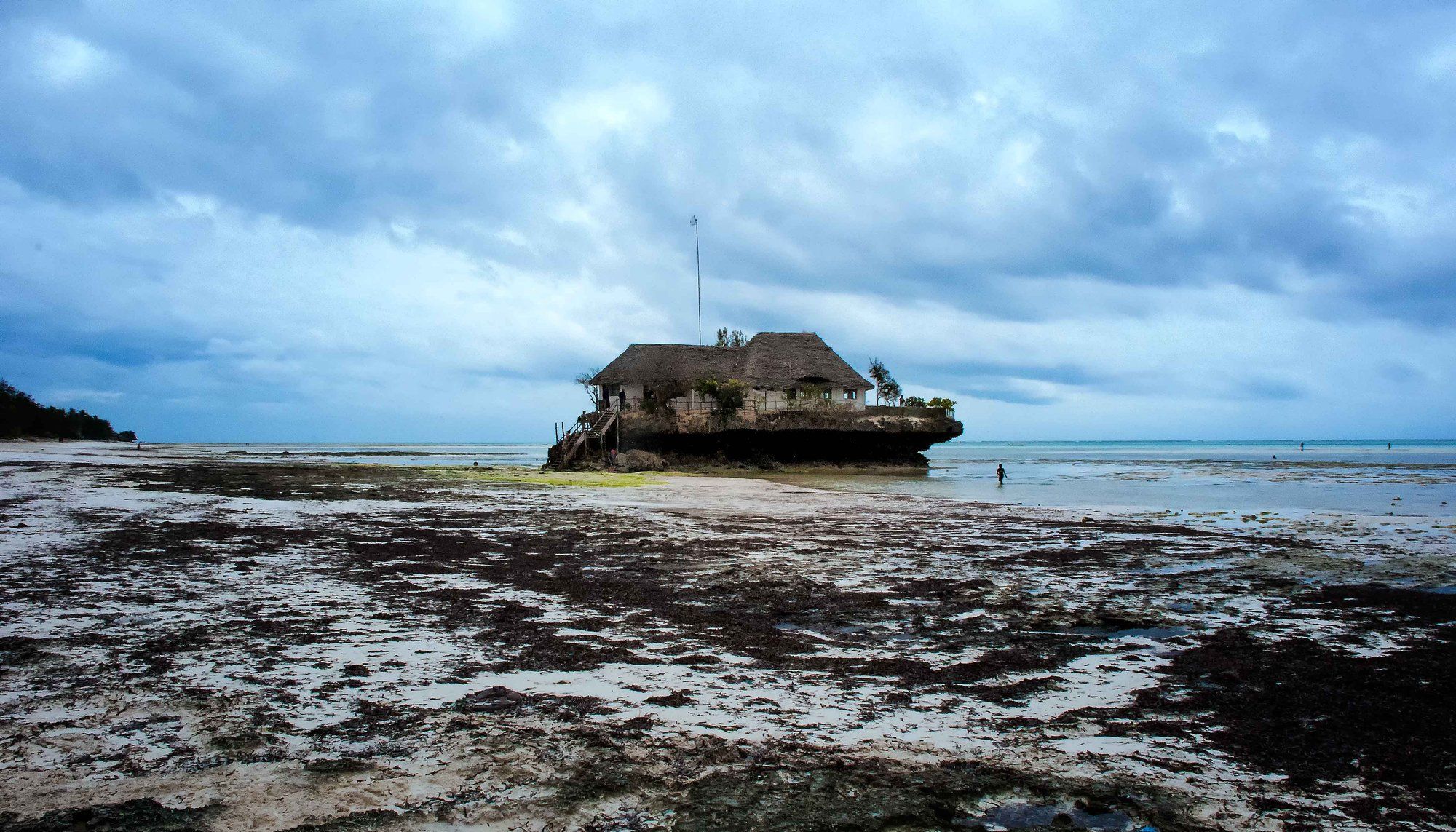
At the other end sits The Rock, the small restaurant perched on a coral outcrop in the sea off the Michamvi peninsula, reached on foot at low tide or by a short boat ride when the water is up. It’s the island’s most photographed table and its signature splurge. You are paying for the setting as much as the plate, and a full meal with drinks runs about US$60 to 90 per person (2026, verify). Reservations are essential and a small non-refundable deposit is taken when you book, so it is a plan-ahead lunch, not a walk-in. It sits a fair drive from most beaches, so build it into a day out rather than a quick bite.
Zanzibar nightlife is real but gentle, and it helps to arrive expecting that. This is a Muslim island, so the scene is beach bars, sundowners and the odd rooftop, not late clubs. Set your evening around the sunset and you’ve got it about right.
The north tip is the liveliest. Nungwi has the busiest run of beach bars and the sunset-bar scene, and Kendwa, just south, is calmer but known for its long-running monthly full-moon party (check the current schedule) if you want one big night. On the east coast, Paje’s beach bars stay open latest, fuelled by the kite and digital-nomad crowd. In Stone Town, nightlife means a handful of rooftop bars for a drink over the harbour, plus the occasional live-music night, rather than anything loud.
Alcohol is served mainly at hotels, beach bars and tourist-facing restaurants, and much less in local cafes, which are the everyday places to eat. During Ramadan the pace drops further: many local eateries close or curtain up in daylight, and it is polite to eat, drink and dress discreetly during fasting hours. None of this makes for a party island, and that’s rather the point.
How much meals cost in Zanzibar
Eating is one of the cheaper parts of a Zanzibar trip if you eat where locals do, and it climbs fast at the resort and set-piece end. Treat these as 2026 guide figures and check them on the ground.
What
Rough cost (2026, verify)
Casual local plate (rice and seafood)
~US$5 to 10
Forodhani skewers and street food
A few dollars, per piece
Main at a tourist restaurant
~US$10 to 25
Local beer
~US$2 to 4
Full meal with drinks at The Rock
~US$60 to 90 per person
Two practical notes. Zanzibar runs largely on cash, and while cards work at bigger hotels and restaurants (often with a surcharge), you cannot use them at street stalls or village kitchens. And on tipping, about 5 to 10 percent is normal at tourist restaurants, but many already add a service charge of around 10 percent, so check the bill before you top it up; at local spots, rounding up is plenty. Our money and costs guide has the full picture on cash, cards and daily budgets.
Good to know before you eat
A few practical things smooth out eating here, especially if you travel with dietary needs or a cautious stomach.
Halal is the default. Zanzibar is a Muslim island, so most kitchens cook halal and pork is rare outside a few tourist hotels and resorts. If you keep halal you are covered almost everywhere; if you do not, this is just why pork barely shows up on menus. Vegetarians and vegans eat well without much effort: beans, chapati, rice, vegetable and coconut curries, samosas, bhajias and plenty of tropical fruit are everywhere, and a lot of the cooking leans on coconut and spice rather than dairy, so plant-based meals are easy to put together. Because seafood is so central, say “no fish, no meat” clearly, since a plain “vegetarian” can still turn up with prawns in it.
Locals eat lunch-heavy. The main meal here is usually the middle of the day, so simple local kitchens are busiest and freshest around lunchtime and can wind down early in the evening. Tourist restaurants keep later hours, but if you want to eat where locals do, aim for lunch rather than a late dinner. Forodhani is the exception, an evening market that only gets going after dark.
On water and food safety, stick to bottled or filtered water, go easy on ice you are unsure about, and peel your own fruit where you can. At street stalls, the busy ones cooking to order turn their food over fastest, so a crowd is a good sign rather than a bad one, which is exactly why the packed Forodhani grills beat a quiet stall with food sitting out. For sit-down dinners at popular places, and anywhere with a small kitchen, a quick call ahead or a same-day booking saves you a wait or a closed door, especially in high season.
Plan the rest of your trip
Where you eat mostly follows where you stay, so pick the coast first and the meals fall into place: Stone Town for range and history, the north for beach bars and sunsets, the east for quiet fresh fish. Line up the local picks with our area guides, then sort the base and the days around them.
For the full local lists, see the area guides above. To choose your base, our where to stay guide sorts the areas by traveller and budget, and the itineraries show how to fit Stone Town, a Forodhani night and a beach into a week that actually works.
Swahili cooking at heart: fresh seafood and coconut rice scented with the island's own spices, plus strong Indian and Arab influence from centuries of trade. Expect grilled fish and octopus, biryani, pilau, urojo (a tangy mix soup) and coconut curries, more fragrant than fiery. Because Zanzibar was the Spice Islands, cloves, cinnamon, cardamom and nutmeg turn up in everything from the rice to the coffee. Meat is mostly chicken and goat, and vegetarians do fine with beans, chapati and vegetable curries.
What should you eat in Zanzibar?
Order the seafood first: grilled fish, prawns, octopus and lobster are cheap and fresh. Try biryani and pilau (spiced rice dishes), urojo, which locals call Zanzibar mix, and a coconut fish curry. At Forodhani night market, eat the grilled skewers and a Zanzibar pizza, which is a thin stuffed and folded pancake, not an Italian pizza. Finish with sugarcane juice or spiced Zanzibar coffee, and pick up cloves, vanilla or cinnamon from a spice market to take home.
Best restaurants in Stone Town?
Stone Town has the island's widest choice, and the easiest place to start is Forodhani night market on the seafront: cheap grilled seafood and street food, evenings only. Beyond that, the old town has rooftop terraces with harbour views and restored merchant-house dining rooms serving Swahili and Indian food, so you can eat anything from a cheap street plate to a proper sit-down dinner. For a once a trip splurge, The Rock sits out in the sea off the Michamvi peninsula, a drive from town rather than in the old quarter. Our Stone Town eating guide has the current named picks by budget.
Is there nightlife in Zanzibar?
Yes, but keep expectations low-key. This is a Muslim island, so the scene is beach bars, sundowners and the odd rooftop bar rather than big clubs. Nungwi and Kendwa on the north tip have the liveliest beach-bar strips and the best sunsets, Kendwa runs a monthly full-moon party (check the current schedule), and Stone Town has a handful of rooftop bars for a drink over the harbour. Alcohol is served mainly at hotels and tourist-facing venues, not in local cafes, and during Ramadan things quieten right down, so drink and eat discreetly in daylight then.
How much is a meal in Zanzibar?
A casual local plate of rice and seafood runs about US$5 to 10, a main at a tourist restaurant US$10 to 25, and a beer US$2 to 4 (2026 prices, verify locally). Forodhani night market is cheaper again if you graze on skewers. At the top end, a full meal with drinks at The Rock is around US$60 to 90 per person. Zanzibar is a cash economy, so carry US dollars (crisp notes, series 2009 or newer) and shillings. Tipping is about 5 to 10 percent at tourist restaurants, but check the bill for an added service charge first.
The Rock is Zanzibar's most photographed restaurant, a table-topped coral rock in the sea off Pingwe beach on the Michamvi peninsula. Reach it on foot at low tide, by boat at high tide. Booking is essential, with a non-refundable US$10 per person deposit (2026, verify) taken off your bill, and a full seafood meal runs roughly US$60 to 90 per person. You pay for the setting, not the cooking.
Forodhani Gardens is Stone Town's seafront street-food market, open each evening on the waterfront by the Old Fort. Vendors grill seafood and meat skewers, cook Zanzibar pizza to order, and press fresh sugarcane juice. Walking in is free; a light meal runs about US$3 to 8 (2026, verify). Order from the busiest stalls, eat what is cooked in front of you, and agree the price first.