
Safari Blue Zanzibar: What's Included & Is It Worth It
The full-day dhow trip from Fumba into Menai Bay: what's included, what it costs in 2026, where it leaves from and whether it lives up to the reviews.
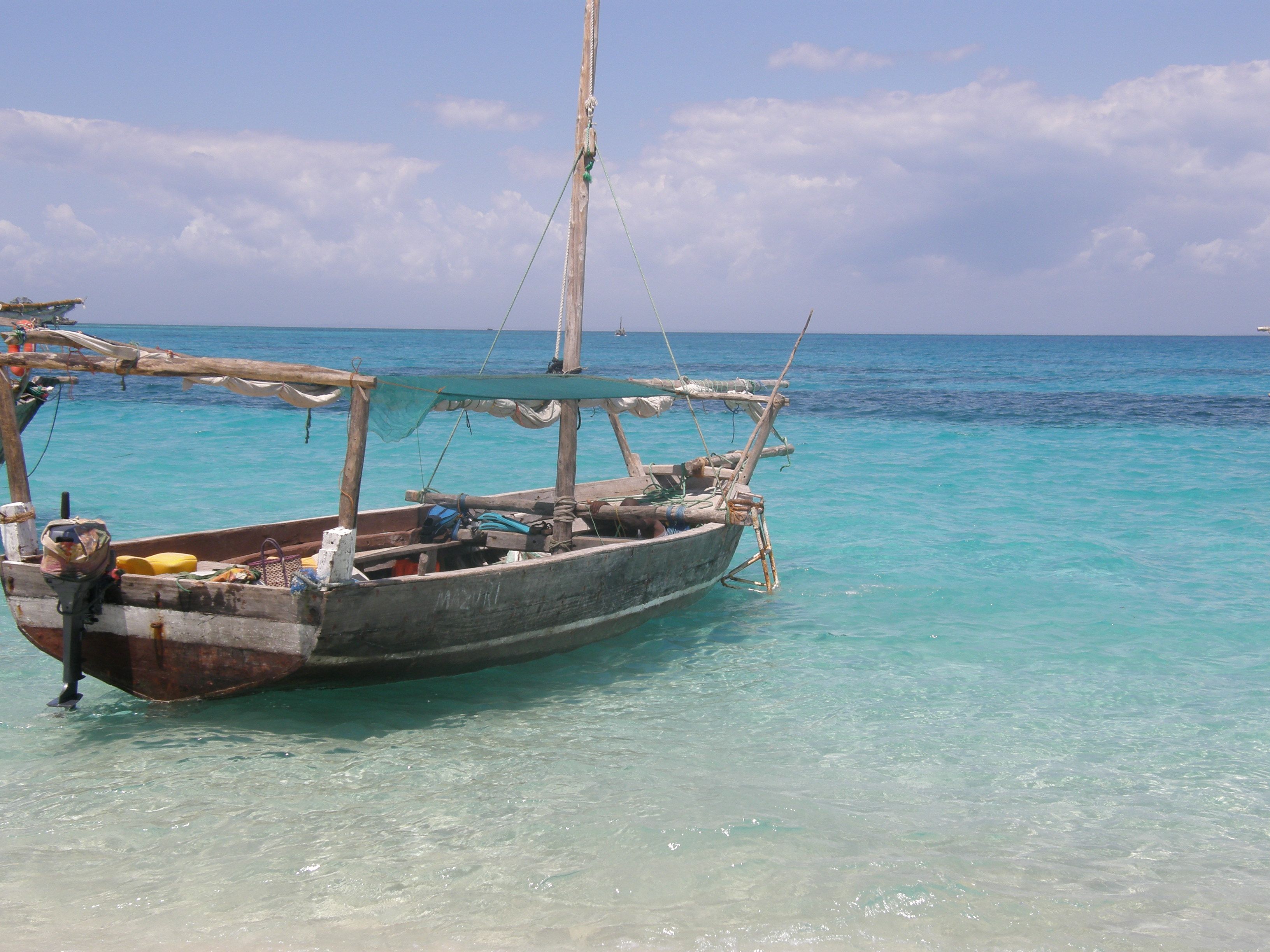
Safari Blue is the full-day dhow trip from Fumba into Menai Bay, on Zanzibar’s southwest coast, usually about US$80 to 120 per person (2026, verify). One boat day gets you snorkeling, a sandbank stop, a swim in a mangrove lagoon and a long seafood lunch, and it is one of the island’s best.
Ask people what they loved most about Zanzibar and a lot of them say Safari Blue. It is the day that packs sailing, snorkeling, a sandbank and a feast into one trip, which is why it earns the price and the reviews. Below is what the day involves, what it should cost in 2026, where it leaves from, and who might want to sit it out.
What is Safari Blue
Safari Blue is a full-day dhow excursion in Menai Bay, the protected stretch of sea off the southwest coast. The original operator has run it out of Fumba since 1996 and gave the trip its name, which is a registered trade name rather than a generic label. It has been copied so widely that plenty of other boats now sell a similar Menai Bay day as their own version, and some are perfectly good, but only the licensed Fumba operator is the real Safari Blue, so knowing which one you are booking is the thing to get right. The classic version launches from the village of Fumba, sails out among the islets and sandbanks, and runs roughly eight to nine hours, usually from a morning pickup to a late-afternoon return.
It is a sailing trip at heart. You are on a wooden dhow, moving with the wind and the tide, which is part of the charm and also why the whole thing is weather-dependent: a rough or windless day changes the plan. On a good day it is close to the perfect Indian Ocean outing.
What’s included in the Safari Blue package
The appeal of Safari Blue is that one booking covers a whole day of different things. A standard trip runs something like this:
| Part of the day | What happens |
|---|---|
| Morning pickup | Hotel collection and the drive to the Fumba launch point |
| Sailing out | Dhow sail into Menai Bay among the islands |
| Snorkeling | Guided snorkeling on a reef with masks and fins provided |
| Sandbank stop | Time on a bright sandbank to swim, sunbathe and relax |
| Mangrove lagoon | A swim in a sheltered natural lagoon |
| Seafood lunch | A buffet BBQ, often grilled fish, prawns and lobster, plus a spread of tropical fruit |
| Return | Sail and drive back, arriving late afternoon |
Drinks on board are usually part of the deal, and dolphins sometimes show up on the way out or back, though nobody can promise them. The one thing that is not always bundled in is the road transfer to Fumba, which brings us to the price.
Kwale Island, the sandbank and the lagoon
The whole day is built around Kwale Island, a small, largely uninhabited island in Menai Bay, and the shallows around it. The sandbank is a bright spit of sand that surfaces at the right tide for swimming and photos. The mangrove lagoon is a sheltered tidal pool where you float in warm, still water, screened by the mangroves. And lunch is laid out on Kwale itself, in the shade of the island’s landmark: a huge old baobab, a fat, ancient tree said to be hundreds of years old, that ends up in almost everyone’s photos. After the sailing and snorkeling, Kwale is the calm, castaway middle of the day, which is a large part of why the trip sticks in people’s memories.
How much Safari Blue costs
The classic, properly run Safari Blue costs about US$80 to 120 per person in 2026. That covers the boat, the gear, the sandbank and lagoon stops, the seafood lunch and drinks. It is not a cheap tour, but it is a full day with a lot in it, and the lunch alone is substantial.
You will also see the same day advertised for around US$50 by other operators. Those cheaper copycat trips follow a similar route, and some are perfectly good, but the saving usually shows up somewhere: a more crowded boat, thinner snorkeling gear, a simpler lunch, or a less careful safety setup. It is worth knowing what the gap pays for before you pick the lowest number.
Either way, check whether the transfer from your hotel to Fumba is included, since it is often quoted separately and can add up from the far beaches. Prices here move around, so take these as 2026 figures and confirm the total, transport and lunch included, at the time you book.
Where Safari Blue leaves from
Safari Blue launches from Fumba, a peninsula on the southwest coast roughly 30 to 45 minutes south of Stone Town and handy for the airport. Nearly all trips include a hotel pickup and run you down to the Fumba jetty, then out into the bay.
Distance is the thing to plan around. If you are staying near Stone Town or in the southwest, the transfer is short. From the north (Nungwi, Kendwa) or the east coast (Paje, Jambiani, Matemwe) the drive can stretch to a couple of hours each way, turning an already long day into a very long one. It is not a reason to skip it, but it is a reason to compare prices with the transfer included and to be ready for an early start.
How to book Safari Blue
Because Safari Blue is a registered trade name, the surest way to get the real trip is to book direct with the licensed operator at Fumba, either through its own booking site, safariblue.net, or your hotel’s tour desk, rather than assuming any boat sold as “safari blue” is the same day out. Online marketplaces list it too, which is handy for paying ahead and reading recent reviews, but check the operator name before you pay so you know which trip you are on.
Book a few days ahead in high season, since the good dates fill up. And remember it is weather-dependent: if the wind or sea turns, the operator may move or cancel your slot, so leave yourself a spare day rather than booking Safari Blue for your last morning on the island.
What to bring and know before you go
Pack for a full day in the sun and the sea. Bring reef-safe sunscreen, a hat and sunglasses, a dry bag for your phone and camera, a towel and a change of clothes, and small cash for tips or extras. If you are prone to seasickness, take a tablet before you board, since a dhow rolls with the swell. Book a settled-weather day where you can, expect an early pickup, and go easy on breakfast if your stomach is sensitive. Children who swim confidently tend to love it; toddlers may find it a long day.
Is Safari Blue worth it?
Yes, for most visitors it is the standout day trip, and if you only do one boat day on the island, this is the one. You get sailing, snorkeling, a sandbank straight off a postcard and a serious seafood lunch, all for a single price, and the reviews are consistently high for a reason.
The honest downsides are worth hearing first. It is a long day, most of it in the sun and on the water, so it can be tiring and a little rough if the wind gets up. The sandbank and lunch stops can feel crowded at the height of the season. And it is a big commitment for toddlers or anyone who gets seasick easily. If that does not describe you, book it and pick a settled-weather day. For how it compares with the island’s other tours, from a spice farm morning to a dedicated diving day, see the full things to do guide, and check the best time to visit for the calmest months on the water.
Frequently asked questions
How much is Safari Blue Zanzibar?
The classic, well-run Safari Blue trip costs about US$80 to 120 per person in 2026, which covers the boat, snorkeling gear, the sandbank stop, the seafood lunch and drinks on board. Cheaper copycat trips run similar routes for around US$50, usually with a smaller boat, less gear or a plainer lunch. The transfer from your hotel to the launch point at Fumba is normally quoted on top and depends on how far you are staying. Prices move around, so treat these as 2026 guides and confirm what is included before you book.
What is Safari Blue?
Safari Blue is a full-day boat excursion in Menai Bay, the marine conservation area off Zanzibar's southwest coast, run on traditional wooden dhows. It launches from the village of Fumba and spends the day sailing, snorkeling, stopping at a sandbank, swimming in a mangrove lagoon and serving a big seafood lunch. The original Fumba operator has run it since 1996, and Safari Blue is its registered trade name, so although many boats now sell a similar Menai Bay day, only the licensed operator is the real Safari Blue. It is weather-dependent and runs roughly eight to nine hours.
What is included in the package?
A standard Safari Blue day includes hotel pickup, the dhow trip itself, guided snorkeling with masks and fins, a stop on a sandbank to swim and relax, a swim in a natural mangrove lagoon, and a seafood buffet lunch that often features grilled fish, prawns and lobster, plus a tropical fruit tasting and drinks on board. Dolphins sometimes appear on the way. What is not always included is the road transfer to Fumba, so check whether your quote covers pickup or just the boat.
Where does Safari Blue leave from?
Safari Blue leaves from Fumba, a peninsula on the southwest coast about 30 to 45 minutes south of Stone Town and close to the airport. Most trips include a hotel pickup and drive you to the Fumba launch point, then out into Menai Bay. From the north and east coasts the road transfer is longer, up to a couple of hours each way, which is worth factoring in when you plan the day and compare prices.
Is Safari Blue worth it?
For most people, yes. It is regularly the day trip visitors rate highest, and for one price you get sailing, good snorkeling, a postcard sandbank and a generous seafood lunch. It is the best all-round boat day on the island. The honest caveats: it is a long day on the water, it can be bouncy and hot if the wind and sun are up, the lunch stop can feel busy in high season, and it is a lot for very young children or anyone prone to seasickness. If none of that puts you off, book it.