
Zanzibar Visa & Entry Requirements
Visa on arrival vs e-visa, the cost, the yellow-fever rule, and the mandatory ZIC insurance every visitor now needs, all in plain English.
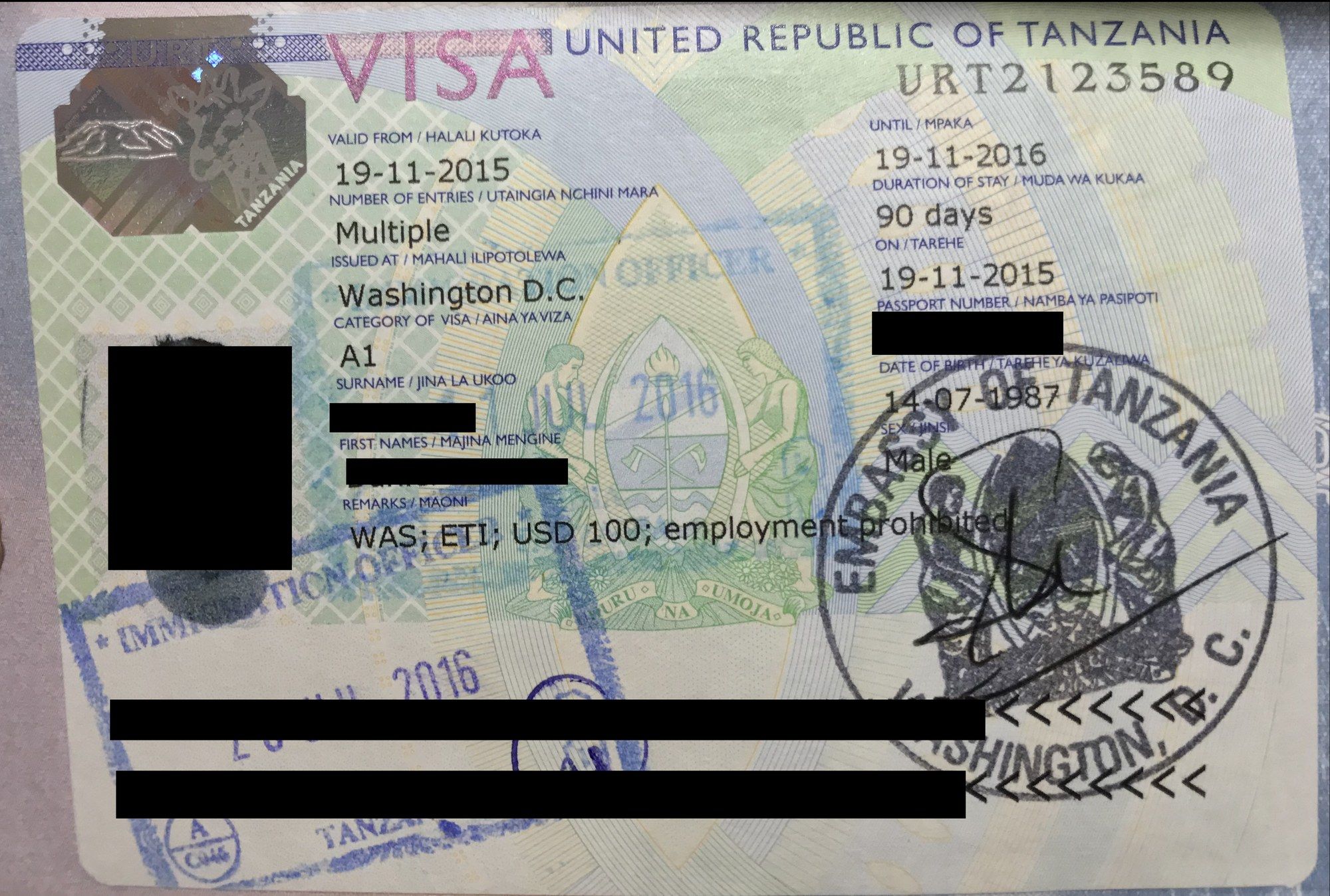
Most visitors need a visa for Zanzibar, bought online as a Tanzania e-visa or on arrival at the airport (US$50 for most nationalities, US$100 for US citizens, 2026). On top of the visa, every foreign visitor now needs the mandatory ZIC inbound insurance (around US$44 per adult, 2026). A yellow-fever certificate is only required if you arrive from a risk country.
Zanzibar is part of the United Republic of Tanzania, so its entry rules are Tanzania’s rules, plus one thing the islands add on their own: a compulsory government insurance policy. That extra layer is where most people get confused, so this guide keeps the two documents separate and clear. Below is exactly what you need, what it costs in 2026, how to get it, and the traps to avoid. Treat every price as current-but-changeable and reconfirm on the official portals before you book, because visa fees and the insurance rule do move.
Do you need a visa for Zanzibar?
Almost certainly, yes. Because Zanzibar is Tanzanian territory, there is no separate “Zanzibar visa” as such: you get a Tanzania visa, and it lets you into the islands and the mainland alike. Most nationalities, including UK, US, EU, Canadian, and Australian passport holders, need one.
A small number of countries are visa-exempt for short stays, so it is worth checking the official Tanzania Immigration list for your passport rather than assuming. If yours is not exempt, you have two straightforward routes: apply online in advance for the e-visa, or get a visa on arrival at the airport. Both are covered below.
One point to fix in your mind now, because it catches people out: the visa and the mandatory ZIC insurance are two different requirements, bought in two different places. You need both.
The two documents you actually need
For a standard tourist trip, entry comes down to two things plus your passport.
- A Tanzania visa (e-visa or visa on arrival). This is your permission to enter the country.
- The ZIC inbound insurance. This is a separate, compulsory Zanzibar government insurance policy that every foreign visitor must hold.
Neither replaces the other, and neither replaces your own travel insurance. Sort the visa and the ZIC policy before you fly and you will walk through immigration without drama. The rest of this guide takes each in turn.
Tanzania visa: e-visa versus visa on arrival
You can get the visa two ways.
The e-visa (apply online first). Apply on the official portal at visa.immigration.go.tz before you travel. You upload a passport-style photo and your passport bio page, give your travel and accommodation details, and pay by card. Approval usually comes back by email as a PDF you print and carry. This is the route most travellers prefer because it removes the on-arrival paperwork, and it gives you a paper trail if anything is queried at the border. Apply well ahead, because approval can occasionally take days and, in slow cases, only lands close to your departure.
Visa on arrival. Most nationalities can also simply turn up and get the visa at Zanzibar’s Abeid Amani Karume International Airport, or at Dar es Salaam and Kilimanjaro. You complete a form, pay the fee, and the visa goes into your passport. It works, but it can mean queuing after a long flight, and card machines are not always reliable, so bring the fee in crisp US dollars as a backup.
Here is what each visa type costs and covers in 2026.
| Visa type | Cost (2026, verify) | Validity | Who it is for |
|---|---|---|---|
| Ordinary tourist (single entry) | US$50 | Up to 3 months in the country | Most nationalities, except US citizens |
| Multiple entry | US$100 | 12 months (max 3 months per visit) | Required for US citizens; frequent visitors |
| Transit | US$30 | Up to 7 days | Travellers passing through to another country |
Prices are set by Tanzania Immigration and can change, so confirm the current fee on the official portal before you pay. If a website quotes you far more than these figures, you are on a third-party agent site, not the government portal.
US citizens: take the US$100 multiple-entry visa
This one has its own section because Americans get tripped up by it constantly. US citizens must take the multiple-entry visa at US$100, valid for 12 months. The US$50 ordinary single-entry visa does not apply to US passport holders. It is a reciprocal arrangement, not an upsell, and it is the same whether you apply online or on arrival.
The practical warning that follows from this: Tanzania Immigration itself says that any invoice above US$50 for an ordinary visa is a red flag for an unauthorised agent. For Americans the correct figure is US$100 via the official channel, so if a third-party site is charging US$150 or US$200 in “service fees,” close the tab and use visa.immigration.go.tz directly.
Passport, photos, and the documents to have ready
Whichever route you take, have these ready before you start:
- A passport valid for at least six months beyond your date of entry, with at least one blank page.
- A recent passport-style photograph (digital for the e-visa).
- Proof of onward or return travel, such as your flight out.
- Proof of accommodation, such as a hotel booking or an invitation.
- The fee, payable by card online, or in crisp US dollars on arrival.
Immigration can ask to see the onward ticket and accommodation, especially at the border, so keep them accessible rather than buried in a bag. Families should note that every traveller needs their own visa, children included, and it is cleaner to file a separate application for each child.
How long can you stay, and can you extend?
A tourist visa lets most visitors stay up to three months, matching the entry pass immigration issues when you arrive. For a normal beach-and-Stone-Town holiday, or even a long island escape, that is more than enough.
If you need longer, tourist visas may be extendable at the discretion of the Immigration Office in Zanzibar Town or Dar es Salaam. You apply in person before your current visa expires, bringing your passport, the current visa, and proof of accommodation. Extension rules and fees change from time to time, so confirm the current process directly with the immigration office rather than assuming, and never overstay: fines and questions at departure are not worth the saving.
Two related points catch people out. First, the multiple-entry visa’s 12-month validity does not mean you can stay for 12 unbroken months. Holders still have to leave and re-enter the country, typically at least every three months. Second, if you plan to hop over to Pemba, Zanzibar’s quieter northern island, you do not need anything extra: it is Tanzanian territory covered by the same visa and the same ZIC policy, so sort both once and you are set for the whole archipelago.
The mandatory ZIC inbound insurance, explained
This is the requirement that surprises people, so here is the full picture.
Since 1 October 2024, the Revolutionary Government of Zanzibar has required all foreign, non-resident visitors to hold its inbound travel insurance, issued by the Zanzibar Insurance Corporation (ZIC). It is a condition of entry to the islands, checked alongside your visa. The details, as they stand for 2026:
- Cost: US$44 per adult, US$22 per child aged 3 to 17, and free for children under 3 (2026, verify).
- Validity: up to around three months, matching a normal tourist stay.
- Cover: emergency medical care while you are in Zanzibar, including evacuation and repatriation, reportedly up to around US$50,000.
- Where to buy: the official portal at inbound.visitzanzibar.go.tz. Buy it in advance so you are not filling in forms in the arrivals hall.
Because the official portal has been known to block automated checks, prices and the requirement itself are worth reconfirming on the live site shortly before you travel. It has been reported as still mandatory throughout 2026, but this is exactly the kind of rule that can be tweaked, so do not rely on a months-old blog, including this one, as your final word.
ZIC is not your travel insurance
Read this twice, because conflating the two is the most expensive mistake here. The mandatory ZIC policy is not a substitute for your own comprehensive travel insurance. It is a government-mandated, in-country emergency medical baseline. It does not cover trip cancellation, lost baggage, stolen phones, missed connections, or the wider medical and evacuation cover that a proper personal policy provides, and its limits are modest.
You still want your own travel insurance on top, ideally one with strong medical and medical-evacuation cover, because Zanzibar’s medical facilities are limited and a serious case can mean evacuation to Dar es Salaam or beyond. In short: ZIC because you must, personal insurance because you would be foolish not to. Our money and costs guide covers personal travel insurance and what a trip actually costs in more depth.
Do you need a yellow fever certificate?
For most travellers, no. A yellow fever certificate is only required if you are arriving from, or have transited through, a country with a risk of yellow fever transmission. Fly in directly from the US, the UK, or most of Europe and you do not need one to enter.
The catch is the safari combo. If you are pairing Zanzibar with mainland Kenya or Uganda, or another risk country, you will need the certificate, and Zanzibar’s port-health checks can be strict about it. Anyone doing an East African multi-country trip should carry proof of vaccination. This is an entry rule rather than health advice; for the medical side, including malaria and recommended vaccines, see our Zanzibar health guide.
What to expect on arrival
If you have the e-visa and ZIC policy already, arrival is quick: you show the printouts with your passport, immigration stamps you in, and you are through. If you are getting the visa on arrival, expect a form and a payment step first, then the same passport control.
Have your documents in hand before you reach the desk: passport, visa PDF or the fee for on-arrival, ZIC confirmation, and your onward-travel and accommodation details. Keep a printed copy of everything, because airport Wi-Fi and roaming can be patchy exactly when you need to show a screen. Once you clear immigration, agree your taxi or transfer fare before you set off, a habit worth starting the moment you land.
Common mistakes and scams to avoid
A few recurring traps:
- Overpaying a third-party agent. Plenty of official-looking sites charge a fat markup for something you can do yourself on the government portal for the face-value fee. Use visa.immigration.go.tz for the visa and inbound.visitzanzibar.go.tz for ZIC.
- Leaving it too late. E-visa approval usually comes quickly but not always, so apply a couple of weeks ahead rather than the night before.
- Forgetting ZIC. It is easy to sort the visa and overlook the separate insurance. Do both.
- Assuming your travel insurance covers the ZIC requirement. It does not; ZIC is a specific government policy you buy separately.
- Turning up with a nearly expired passport. Six months of validity beyond entry is the standard, and immigration does check.
Before you fly: a quick checklist
- Tanzania visa sorted (e-visa printed, or the correct fee ready for on-arrival), with US citizens on the US$100 multiple-entry visa.
- ZIC inbound insurance bought at inbound.visitzanzibar.go.tz, for every traveller including children.
- Passport valid at least six months, with a blank page.
- Onward or return ticket and accommodation proof to hand.
- Yellow fever certificate if you are arriving from a risk country.
- Your own comprehensive travel insurance, separate from ZIC.
Get those six things done and Zanzibar’s border is a formality. With entry sorted, our plan your trip guide covers safety, money, health, and packing, and if you are still choosing dates, the best time to visit guide breaks down the seasons month by month. For the wider safety picture, including the current travel advisories, see our is Zanzibar safe guide.
Frequently asked questions
Do you need a visa for Zanzibar?
Yes, most visitors need a visa to enter Zanzibar, which is part of Tanzania. You can apply online for the Tanzania e-visa before you travel, or get a visa on arrival at Zanzibar's airport and the mainland entry points. A handful of nationalities are visa-exempt, so check the official Tanzania immigration list for yours. Separately, every foreign visitor also needs the mandatory ZIC inbound insurance, which is not the same thing as the visa.
How much is the Zanzibar visa?
For most nationalities the ordinary single-entry tourist visa is US$50 (2026, verify). US citizens must instead take the multiple-entry visa at US$100, valid for 12 months, as the US$50 ordinary visa does not apply to them. A transit visa is US$30. On top of the visa, budget US$44 per adult and US$22 per child (3-17) for the compulsory ZIC insurance. Any invoice above US$50 for an ordinary visa is a sign of an unauthorised agent.
Is the ZIC insurance mandatory and how do I buy it?
Yes. Since 1 October 2024, the Zanzibar government requires every foreign, non-resident visitor to hold its inbound insurance from the Zanzibar Insurance Corporation (ZIC). It costs US$44 per adult, US$22 per child aged 3 to 17, and is free for under-3s, valid for up to about three months, and covers emergency medical care including evacuation. Buy it in advance at the official portal, inbound.visitzanzibar.go.tz, to avoid queuing on arrival. Reconfirm the price and rule before you travel.
Do I need a yellow fever certificate for Zanzibar?
Only if you are arriving from, or have recently transited, a country with a risk of yellow fever transmission, such as Kenya or Uganda. If you fly in directly from a non-risk country like the US, UK, or most of Europe, you do not need a yellow fever certificate to enter. Because Zanzibar's port-health checks can be strict, anyone combining Zanzibar with a mainland East African safari should carry the certificate to be safe.
Can I get the Zanzibar visa on arrival?
Yes, most nationalities can get a visa on arrival at Zanzibar's Abeid Amani Karume International Airport, as well as at Dar es Salaam and Kilimanjaro. You fill in a form, pay the fee, and get the visa in your passport. Card payment is usually possible but not guaranteed, so carry the fee in crisp US dollars as a backup. Applying online for the e-visa beforehand still tends to be smoother and faster through the airport.
Do children need a visa and ZIC insurance for Zanzibar?
Yes. Children need their own Tanzania visa, with the same document requirements as adults, and each child should have a separate application to avoid delays at immigration. For the mandatory ZIC insurance, children aged 3 to 17 are charged US$22 and under-3s are free, compared with US$44 per adult (2026, verify). Make sure every family member, including infants, is covered before you fly.