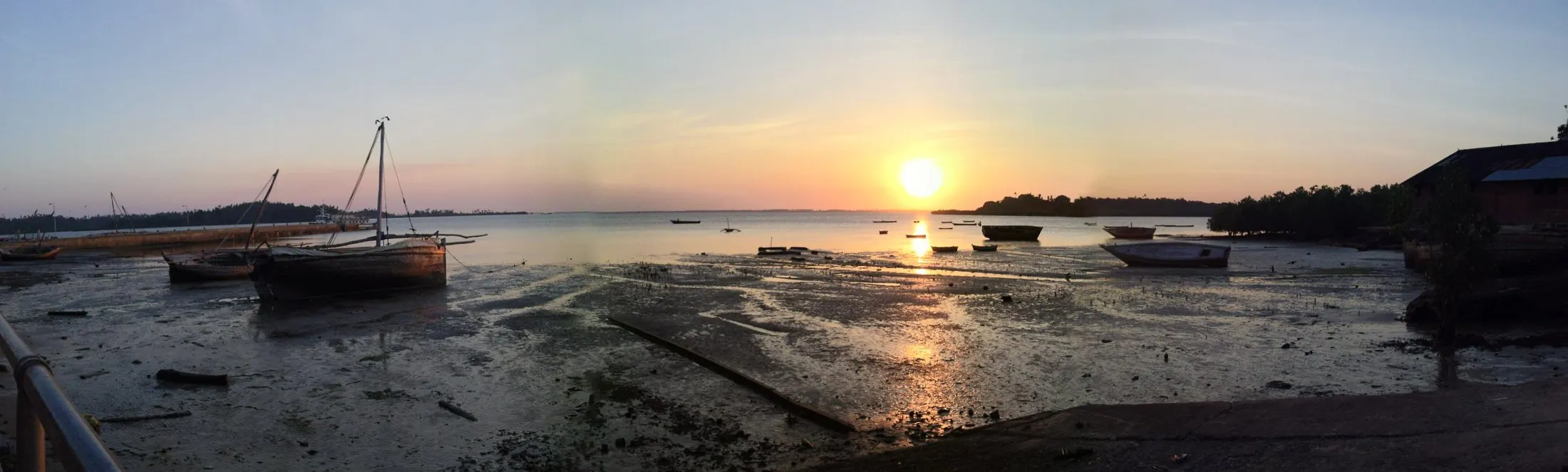
Pemba Island is Zanzibar’s quieter northern island: greener, hillier and far less touristy than Unguja, with the archipelago’s best diving (steep walls and clear water) and near-empty beaches. You reach it by a short flight or a longer ferry from Unguja, and you come for the diving and the seclusion, not the nightlife.
Here is the fuller version. Pemba is the northern of the two main islands in the Zanzibar archipelago, part of Tanzania, covering roughly 988 sq km (2026, verify). Say “Zanzibar” to most people and they picture Unguja, the bigger southern island with Stone Town, the international airport and the postcard beaches. Pemba sits about 50 km north across a deep channel (2026, verify), and it draws a tiny fraction of the visitors. Where Unguja has resort strips, dozens of dive schools and a beach for every mood, Pemba has hills, clove trees and a handful of lodges.
Locals call it the Green Island, and the old Arabic name for it means the same (2026, verify). The nickname fits. Pemba is hillier and wetter than flat, sandy Unguja, so it stays properly green: clove plantations climb the slopes, forest still covers pockets of the interior, and the roads wind past mango trees and small farms rather than beach bars. This is not a polished place. It is quiet, a little rough around the edges, and short on the easy comforts that make Unguja such a soft landing. That undeveloped feel is the whole reason to come, and the reason some people should not.
How Pemba differs from Unguja
If you have already done Unguja, or you are choosing between the two, the differences are stark and worth being clear about.
Pemba is quieter, in every sense. Fewer people, fewer cars, fewer hotels, far fewer other tourists. You can have a whole beach to yourself on a weekday, which is close to impossible on Unguja’s popular coasts now. It is also less developed: patchier roads, power and water that cut out in places, fewer restaurants outside the lodges, and no real nightlife to speak of. If a cocktail bar with a DJ is part of your idea of a beach holiday, that is Nungwi, not Pemba.
It also feels more traditional than the tourist coasts of Unguja. Pemba is strongly Muslim and largely untouched by mass tourism, so outside the lodges you will find little alcohol and a more conservative dress sense; cover your shoulders and knees away from the beach and keep swimwear to the sand (2026, verify). None of that is a barrier, but it sets the tone. This is a working island where tourists are the exception, not the main event.
It is greener and hillier, too. Unguja is largely flat and sandy; Pemba rolls with low hills and thick vegetation, which makes the interior a pleasure to drive through and gives the island its clove-country character.
And it is built around a narrower set of reasons to visit. Unguja is a variety island: history in Stone Town, kitesurfing at Paje, sunset bars at Nungwi, forest at Jozani, spice farms, day trips in every direction. Pemba is mostly two things done extremely well, diving and doing very little, with the forest and the clove plantations as a bonus. Come for those and you will love it. Come expecting Unguja’s range and you will be underwhelmed.
Getting to Pemba
There are two ways across from Unguja, and for most people the choice is easy.
The quick way is to fly. A few small regional carriers run short hops from Zanzibar’s main airport (ZNZ, on Unguja) to Pemba’s little airport at Chake Chake, the island’s main town, in roughly 30 to 45 minutes (2026, verify carriers, times and fares). Pemba’s airport uses the code PMA (2026, verify). Some flights connect via Dar es Salaam on the mainland rather than crossing direct, which adds time, so check the routing when you book. These are small turboprops with tight luggage limits, often around 15 to 20 kg including hand baggage, so pack light and confirm your allowance (2026, verify). Seats are limited and flights are few, so book ahead rather than counting on a same-week hop.
The slow way is the ferry. A passenger ferry runs between Stone Town on Unguja and Mkoani in Pemba’s south, but it takes several hours, does not sail every day, and the schedule is limited and prone to change (2026, verify operator, crossing time and frequency). It is a basic working boat carrying locals and cargo, not the quick, comfortable fast-ferry you get between Dar es Salaam and Stone Town, and rough weather can delay or cancel it. Treat any timetable you find online as a starting point and confirm it locally before you build a plan around it. It is cheaper than flying and fine if you have time and a settled stomach, but most visitors fly and turn a half-day slog into a short hop.
Either way, you arrive from Unguja or the mainland, not straight from overseas. There are no nonstop international flights to Pemba, so you route into the archipelago first. Our getting to Zanzibar guide covers the flights and ferries into the region and the connections you build on to reach Pemba.
Once you land, getting around takes a little planning. There are no ride apps and few marked taxis, so most lodges arrange your transfer from the airport or ferry, and it is worth letting them. Shared dala-dala minibuses link the towns cheaply but slowly, and the roads, short in kilometres, wind enough that a cross-island trip takes longer than the map suggests (2026, verify).
Diving Pemba (the standout)
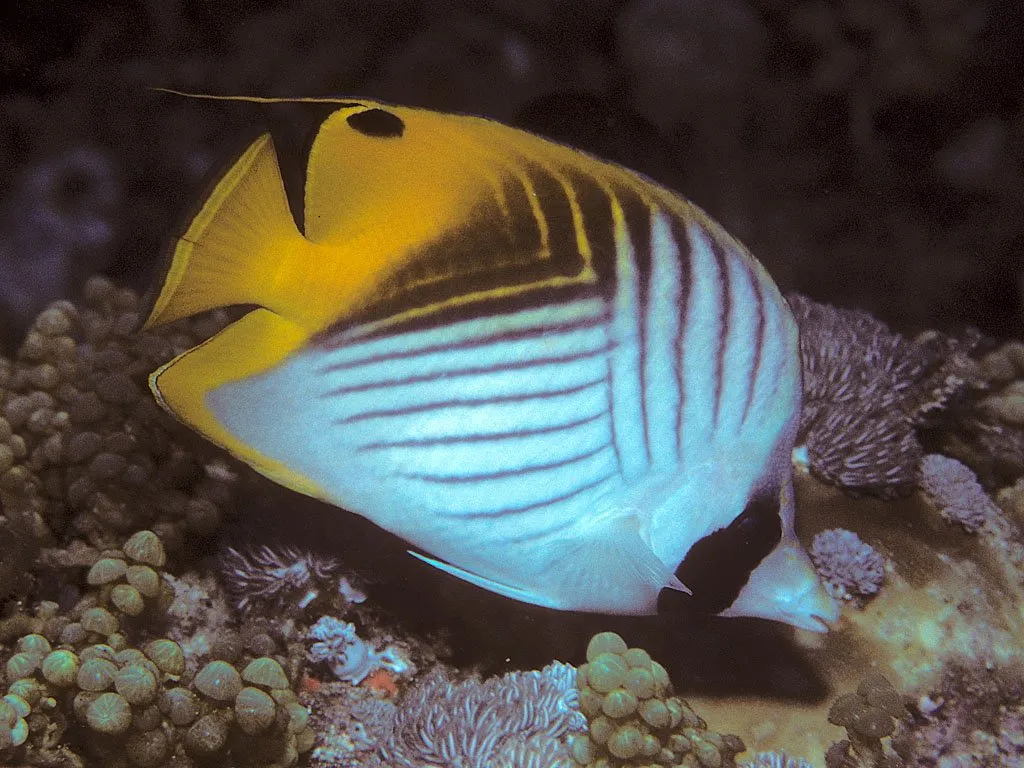
If Pemba has one undeniable, book-the-trip-for-it reason to visit, it is the diving. This is the best in the Zanzibar archipelago, and most divers do not think it is a close contest.
The reason is geography. The Pemba Channel between the island and the mainland is deep, and the reef drops away steeply close to shore, so instead of Unguja’s gentle, shallow reef gardens you get proper wall diving: sheer coral faces plunging into the blue, big sea fans and sponges, and that sense of hanging over an edge. Add drift dives that let the current carry you along the wall, and the clearest water anywhere around the islands, and you have diving with real drama, the kind serious divers fly a long way for.
Much of it centres on the west coast and the Pemba Channel conservation area, sometimes shortened to PECCA (2026, verify name), which takes in Misali Island, a small uninhabited island ringed by healthy reef and known for its clear water and turtle nesting (2026, verify site details). Landing on Misali or diving the reserve usually carries a conservation fee, around US$10 per day, so ask your lodge before you go (2026, verify fee). The lodges run boats out to a string of wall and drift sites along this coast.
Two honest caveats. First, Pemba leans towards confident, certified divers. The walls are deep, the currents can be strong, and this is not the bath-warm, ankle-deep training lagoon that makes Unguja such an easy place to learn, although the lodges do run gentler sites and can certify you (2026, verify). Second, there is very little of it: a few dive operations attached to the lodges, not the big competitive cluster of centres you get on Unguja’s north coast, so book your dives ahead and expect lodge prices rather than backpacker rates.
One more practical point. Like the rest of the archipelago, Pemba dives best in the calmer, drier stretches, broadly June to October and again around December to February, while the peak of the long rains from late March into May brings rougher seas, more run-off and lower visibility, and can leave the crossing and the exposed sites unreliable (2026, verify). If your heart is set on the diving, aim for the settled months.
For how this stacks up against the Unguja sites, Mnemba Atoll, Leven Bank, Tumbatu and the rest, and for what diving costs across the archipelago, see our diving in Zanzibar guide. The short version: learn on Unguja, then come to Pemba when you want the walls.
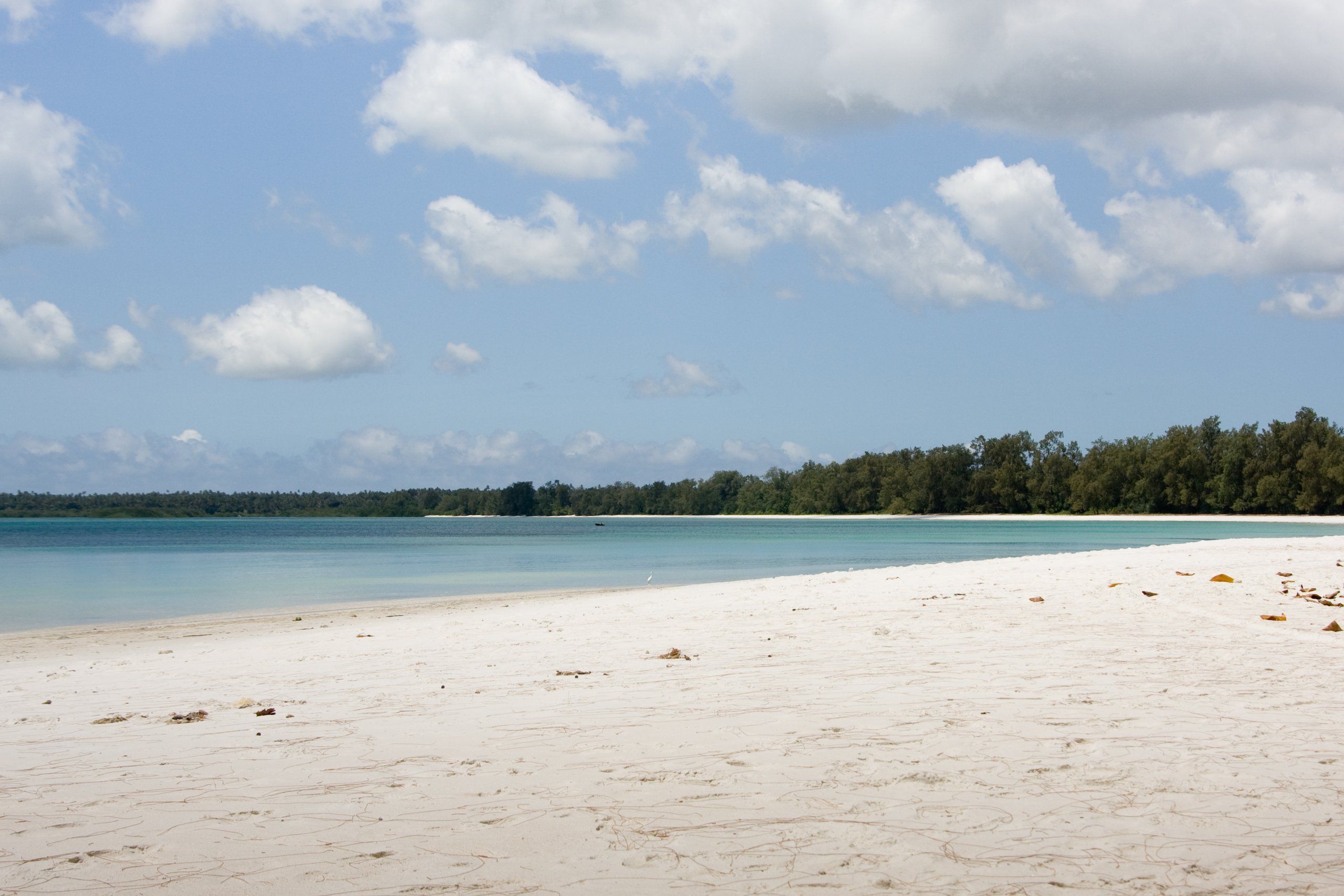
Pemba’s beaches are the flip side of its lack of development: often empty, and barely on the tourist trail.
The sand is the same soft white and the water the same warm turquoise you find on Unguja, but without the crowds, the beach sellers, the rows of loungers and the bars. Vumawimbi, a long strip on the north coast near the Ngezi forest, is the one people name, a wide, quiet, undeveloped beach where you may well be the only person on it (2026, verify access and current conditions). The Ras Kigomasha peninsula at the northern tip has more of the same, plus one of the island’s best-known lodges and an old lighthouse you can sometimes climb for the view (2026, verify access).
Set your expectations, though. These are wild beaches, not serviced resort beaches. There is often nothing behind them: no beach club, no line of hotels, sometimes no shade and no one to sell you a drink, so bring water, sun cover and whatever else you need for the day. As on much of the archipelago, some stretches sit behind reef flats that empty out at low tide, so the swimming is tide-dependent in places (2026, verify). That emptiness is the whole appeal for the right traveller and a letdown for the wrong one. If you want a beach to yourself and do not mind carrying your own everything, Pemba is hard to beat. If you picture a sunbed and a cocktail waiter, look at Unguja. Our beaches guide covers how the Unguja coasts compare, tides and all.
Ngezi Forest and clove country (the Green Island)
Beyond the water, Pemba’s interior is its second surprise, and the reason for the Green Island name.
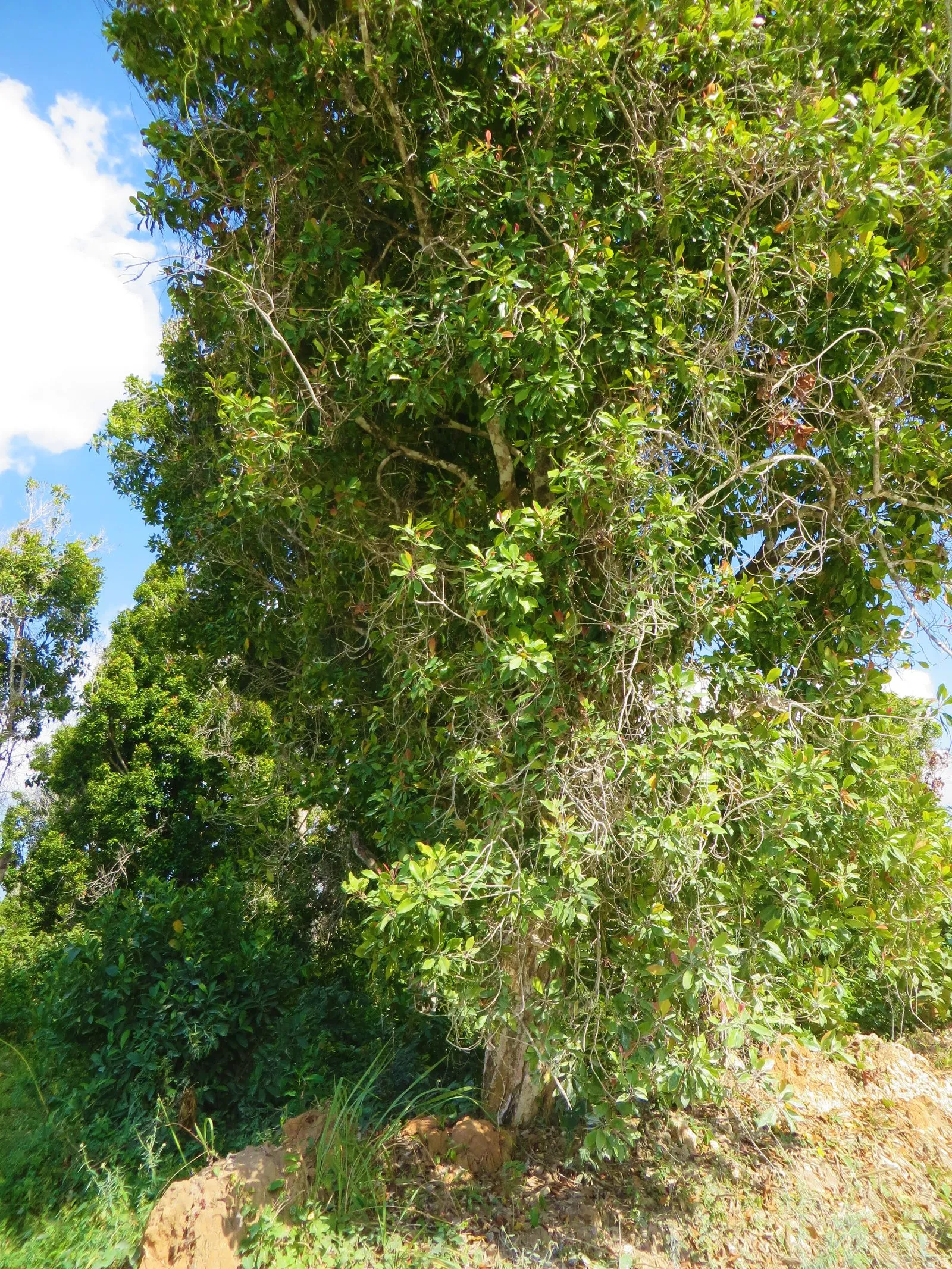
Ngezi Forest Reserve, in the northwest, is a patch of dense, old-growth forest, a remnant of the thick woodland that once covered much more of the island. A short guided walk takes you through tall trees and tangled undergrowth, with birds, butterflies and a chance of the Pemba flying fox, a large fruit bat found only here (2026, verify). The island is a quiet draw for birders, too, with several species you cannot see anywhere else, among them the Pemba scops owl, Pemba white-eye, Pemba green pigeon and Pemba sunbird (2026, verify species). It is a low-key, genuinely wild forest walk, a world away from the polished boardwalks of Jozani on Unguja. Check the reserve’s opening hours and fee locally, as they change (2026, verify).
Then there are the cloves. Pemba grows most of the archipelago’s cloves, and the plantations are everywhere: rows of clove trees on the hillsides, and, in harvest season, the smell of cloves drying on mats by the roadside (2026, verify harvest timing). Zanzibar built much of its old wealth on this spice, and Pemba is still its heartland. Drive across the island and you pass through clove country the whole way, between small towns like Chake Chake in the centre, Wete in the north and Mkoani in the south, with green hills and small farms in between (2026, verify). It is not a manicured attraction, just the ordinary working countryside of a quiet island, and that is its charm.
Be realistic here: your choice of where to stay on Pemba is small, and that is not a temporary state of affairs. There is no resort strip, no long line of hotels, nothing like Nungwi’s or Paje’s spread of options.
What you get instead is a short list of lodges, most built around diving and seclusion. The best known is Fundu Lagoon, a long-running upmarket lodge on the southwest coast reached by boat, the sort of remote, barefoot place that suits divers and honeymooners. It runs on a seasonal calendar, typically open from around July and closed through the long rains from about April to June, so check the dates before you build a trip around it (2026, verify). Up on the Ras Kigomasha peninsula in the north, the Manta Resort is the other name people know, famous for its floating Underwater Room moored offshore, a cabin where you sleep below the waterline, relaunched in 2026 in a newer generation (2026, verify operation and rates). Beyond those two, there are a few smaller guesthouses and simpler lodges, several near Chake Chake and Wete, for travellers on a tighter budget or those who want to be near a town rather than out on the coast (2026, verify current options).
The practical upshot: options are thin, the good ones are not cheap, and they fill up, so book well ahead. This is not a place you turn up and shop around for a room. Decide where you want to be, out on the water for diving or near a town for logistics, then lock it in early and let the lodge sort your transfer from the airport or ferry.
So, is Pemba worth it? Yes, but only if you want what it actually offers.
Come to Pemba if you dive, or if you want to lose yourself in empty beaches, green hills and near-total quiet. For divers, it is the best in the archipelago and worth reshaping a trip around. For anyone craving seclusion, it is one of the few corners of Zanzibar where you can still have a beach to yourself and a genuinely undeveloped island to explore.
Do not come to Pemba if you want nightlife, a range of restaurants and bars, easy transfers, a choice of resorts, or the comfortable, well-oiled tourist machine of Unguja. The logistics are harder, the choices are fewer, and the rough edges are real. Plenty of people would find it too quiet and too basic, and that is fine, Unguja is right there and does all of that better.
The neat way to think about it: Pemba is Zanzibar with the volume turned down and the diving turned up. Most first-time visitors are better off on Unguja. Divers, return visitors and committed escapists are the ones who fall for Pemba. Many people pair the two, a stretch on Unguja for the variety and a few days on Pemba for the diving and the quiet, which our Zanzibar itineraries can help you shape; if you are adding a mainland safari as well, the safari and Zanzibar itinerary shows how a bush-and-beach trip fits together.
Frequently asked questions
How do you get to Pemba Island?
Two ways, both starting from Unguja, Zanzibar's main island. The quick option is a short flight, about 30 to 45 minutes on a small regional carrier from Zanzibar's airport (ZNZ) to Pemba's little airport near Chake Chake; some of these route via Dar es Salaam on the mainland rather than going direct (2026, verify carriers, times and fares). Seats are limited and flights are few, so book ahead. The slow option is the passenger ferry between Stone Town and Mkoani in Pemba's south, which takes several hours and does not sail daily, so check the timetable before you plan around it (2026, verify). Most visitors fly, because it turns a half-day boat slog into a short hop. There are no nonstop flights to Pemba from outside Tanzania, so you route through Unguja or the mainland first.
Is Pemba worth visiting?
Yes, if you match it to what it is. Pemba is worth the trip for two things above all: world-class diving and genuine seclusion. If you dive, or you want empty beaches, green hills and almost no other tourists, it delivers what Unguja can no longer really offer. If you want nightlife, a choice of restaurants and bars, easy transfers and a range of resorts, you will be happier on Unguja. Pemba is quiet, undeveloped and a little harder to reach, and for the right traveller that is exactly the point.
Is Pemba good for diving?
It is the best diving in the Zanzibar archipelago, and it is not close. The Pemba Channel drops away steeply just offshore, which gives you dramatic wall dives, drift dives along the current, and the clearest water anywhere around the islands. Serious divers regularly rate it above Unguja and take the short flight north for it. It suits confident, certified divers more than absolute beginners, because the walls are deep and the currents can be strong, though the lodges also run gentler sites and can certify you (2026, verify). For how Pemba compares with the Unguja sites like Mnemba, see our diving guide.
Where do you stay on Pemba?
Your choices are limited, which is part of the appeal and part of the catch. There is no resort strip like Nungwi or Paje on Unguja. Instead you get a small number of dive lodges and boutique places, the best known being Fundu Lagoon on the southwest coast and the Manta Resort up on the Ras Kigomasha peninsula in the north (2026, verify both are operating and their current rates). A few smaller guesthouses cluster around the towns of Chake Chake and Wete. Book well ahead, because when the good places fill there is not much backup.
Is Pemba part of Zanzibar?
Yes. Zanzibar is an archipelago, not a single island, and Pemba is its northern main island. When people say 'Zanzibar' they usually mean Unguja, the larger southern island with Stone Town, the airport and the famous beaches, but Pemba is equally part of the Zanzibar archipelago and of the semi-autonomous Zanzibar within Tanzania. It has its own airport and towns, and it sits roughly 50 km north of Unguja across a deep channel (2026, verify distance).
Mnemba Island is a tiny private island off Matemwe on Zanzibar's northeast coast, ringed by the best coral reef near Unguja. You cannot land on it, but boat tours snorkel and dive the surrounding marine conservation area, full of turtles and reef fish. Access needs a marine fee of about US$10 per adult (2026, verify) plus a boat trip of roughly US$40 to 90 per person, usually from Matemwe.
Jozani Forest is Zanzibar's only national park and the one place on Earth to see the endemic red colobus monkey. Entry is about US$10 to 12 per adult (2026, verify), a park ranger is included, and a guided visit takes one to two hours across a forest loop and a mangrove boardwalk. It sits in the centre-south of Unguja, on the main road to the east coast beaches.