A Tanzania safari and Zanzibar itinerary pairs a few days in the Serengeti and Ngorongoro with a beach finish on the island, flying between the two in about 90 minutes. Do the safari first and the beach second. Here is the day-by-day plan, with the flights that actually connect them and the season that makes both work.
This is the classic East African trip for good reason. You spend the first half watching wildlife on the plains of northern Tanzania, then swap the dust and the dawn starts for warm water and a lounger. The two halves complement each other precisely because they are opposites. The part people underestimate is the join in the middle, so this guide is as much about the logistics as the highlights.
How the trip is shaped
Think of it as two blocks with a flight between them. A northern Tanzania safari runs out of Arusha or Kilimanjaro and covers the marquee parks: the Serengeti for big cats and the wildebeest migration, and the Ngorongoro Crater, a collapsed volcanic caldera packed with wildlife. Many trips add Tarangire for elephants or Lake Manyara on the way in. That block is usually three to five nights. Then you fly to Zanzibar for the beach, another four or five nights.
For most people, about 9 to 10 days is the number that lets both halves breathe. You can compress it to seven if you must, but a three-night safari and a three-night beach is a lot of packing and flying for the time you get. If anything, err longer on the beach: it is the cheaper half and the one you will be too tired to rush.
Do the safari first
Order matters here, and the answer is not a toss-up. Safari days begin before dawn, the drives are long and bumpy, and the adrenaline of tracking animals is wonderful but not restful. End on the beach and the trip has a natural arc: you land in Zanzibar dusty and happy, and the last days are for doing nothing. Flip it, and you are prising yourself off a sun lounger to make a 5am game drive, then flying home straight from the bush without a wind-down.
It also matches how the flights fall. Most travellers arrive into Kilimanjaro International (JRO) for the safari and fly home out of Zanzibar (ZNZ) at the end, which airlines sell as an open-jaw ticket. That saves a backtrack and a night you would otherwise waste.
Days 1 to 5: the safari
Safari itineraries vary a lot by operator, budget and whether you drive or fly between parks, so treat the days below as a typical shape rather than a fixed schedule. Your operator will tailor it.
Day 1: arrive. Fly into Kilimanjaro, and overnight near Arusha or Moshi to shake off the long-haul flight. Nothing strenuous; you want to start the safari rested.
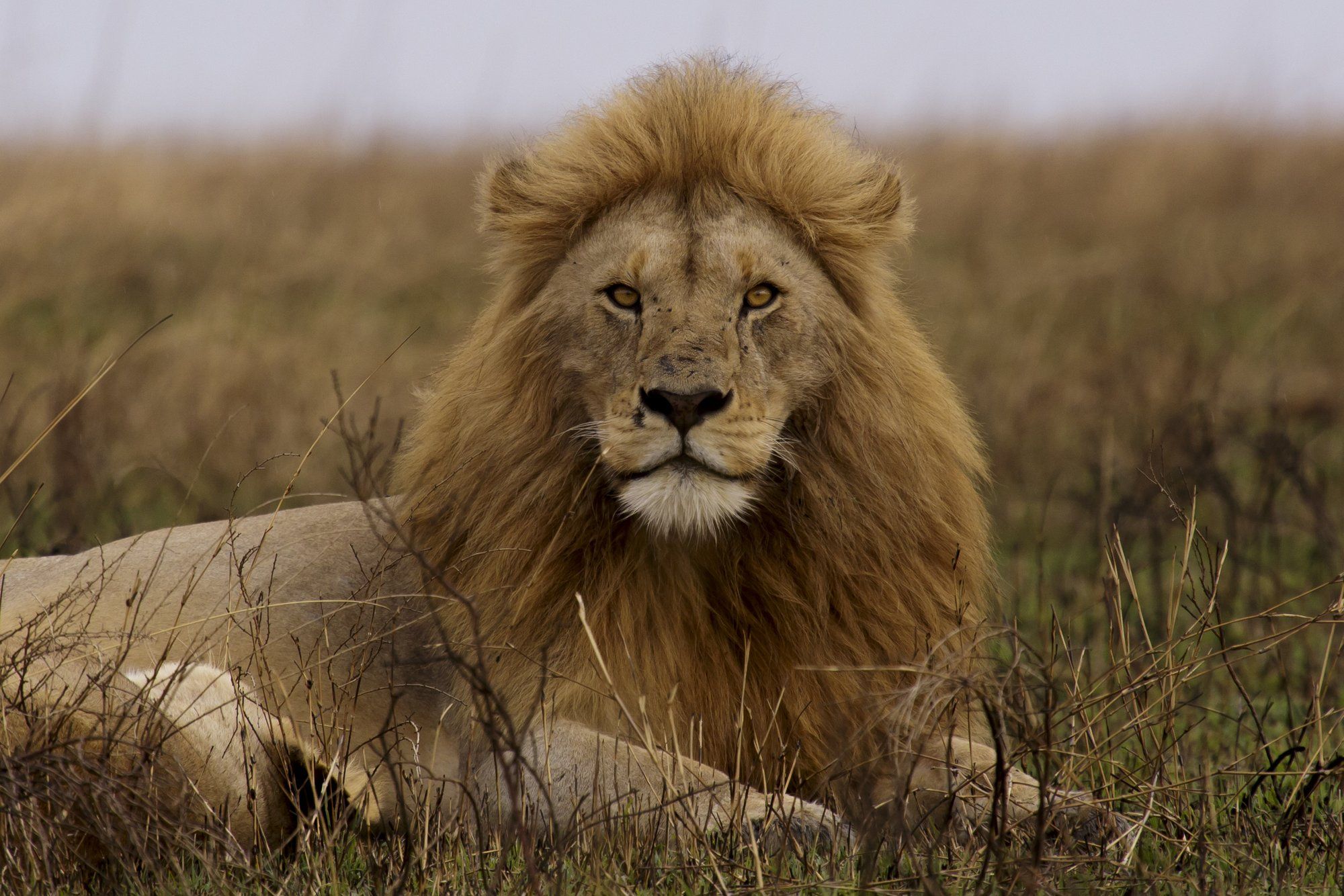
Day 2: the first park. Head to Tarangire or Lake Manyara for an afternoon game drive, the gentler warm-up parks. Tarangire is known for elephants and baobabs; Manyara for its tree-climbing lions and flamingos on the lake. Overnight near the parks.
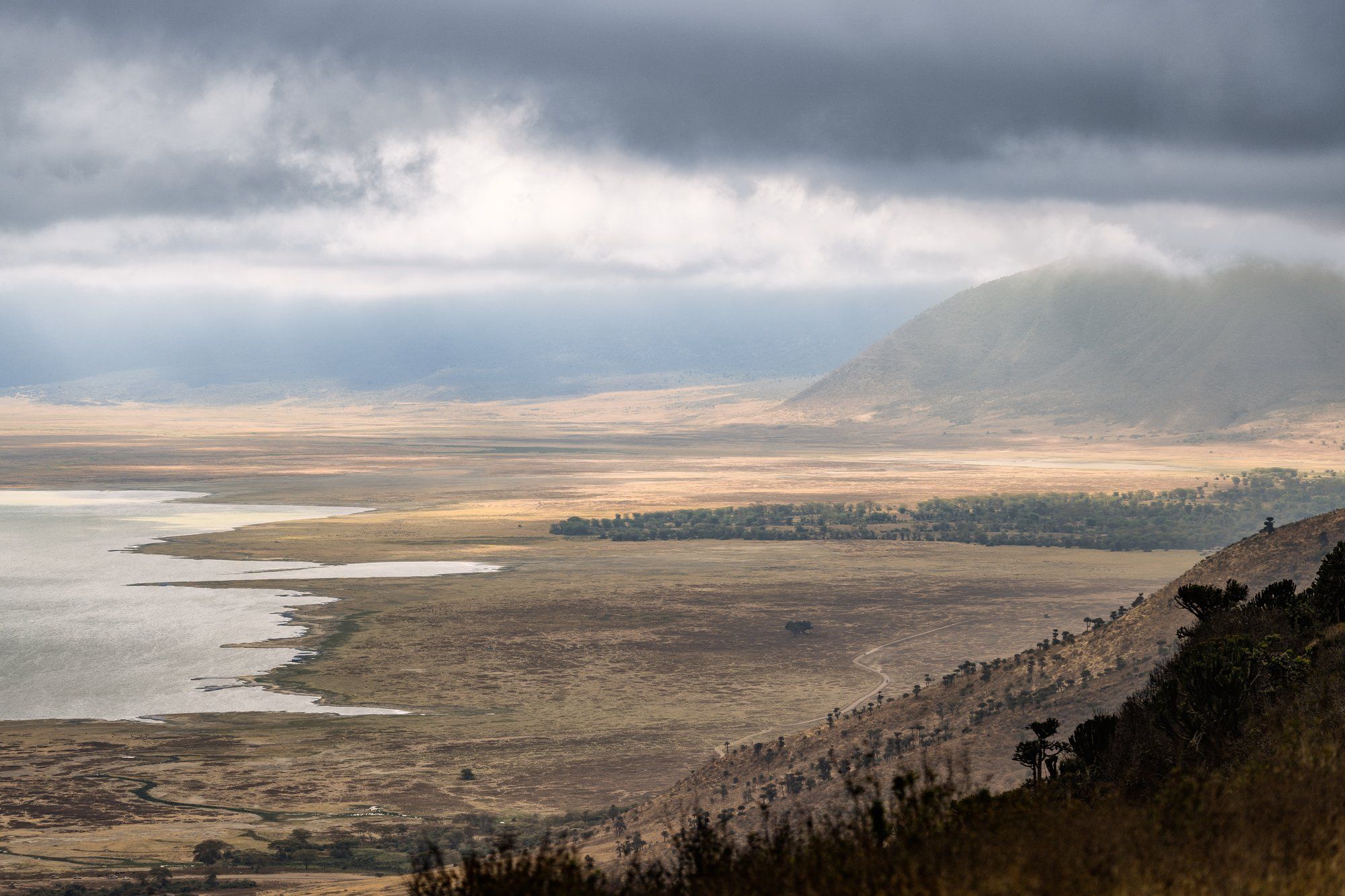
Day 3: Ngorongoro Crater. Descend into the crater for a full day of game viewing. The caldera floor holds a dense concentration of wildlife, including some of the best chances of seeing black rhino in Tanzania. Overnight on the crater rim or down in Karatu.
Day 4: into the Serengeti. Move into the Serengeti, by road across the plains or by a short flight if your itinerary includes one. Spend the afternoon on a game drive. This is big-cat and open-plains country, and in the dry season the sheer space of it is the point.
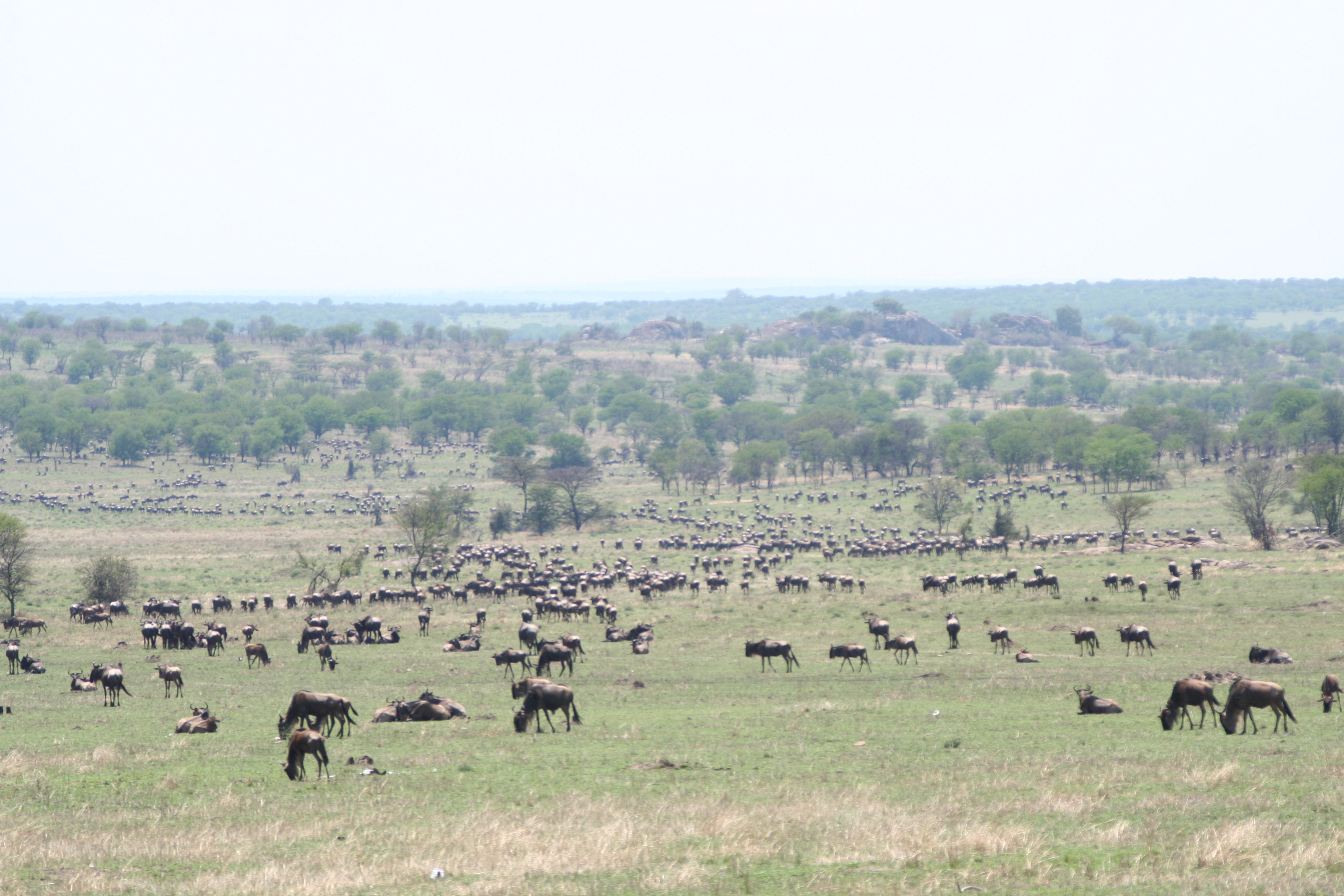
Day 5: a full Serengeti day. A dawn game drive, when the light is best and predators are active, then more of the plains. If you are here between about June and October, this is where you look for the migration: more than a million wildebeest move through the Serengeti on a year-round loop, with the dramatic river crossings in the north falling roughly July to October, and the calving season in the south around January to March, with the peak in February. The timing shifts with the rains every year, so ask your operator where the herds actually are for your dates.
Then, on the morning after, you fly to the coast.
Day 6: fly to Zanzibar
This is the hinge of the trip. Regional carriers, including Coastal Aviation, Auric Air, Precision Air and ZanAir, connect Arusha and Kilimanjaro to Zanzibar in about 90 minutes (2026, verify schedules). If your safari ends deep in the Serengeti, light aircraft can pick you up from a bush airstrip, but they generally route through Arusha, so budget a half-day of flying rather than a single leg. Operators usually build this internal flight into the package; confirm the exact routing, baggage limits (light aircraft are strict, often around 15kg in a soft bag) and connection times when you book.
Land at Zanzibar’s Abeid Amani Karume International, and transfer to your beach. If you are heading north to Nungwi it is about an hour and 20 minutes and US$35 to 60; to the northeast at Matemwe about US$40 to 60 (2026, verify). Our getting to Zanzibar guide covers the airport and transfers in full.
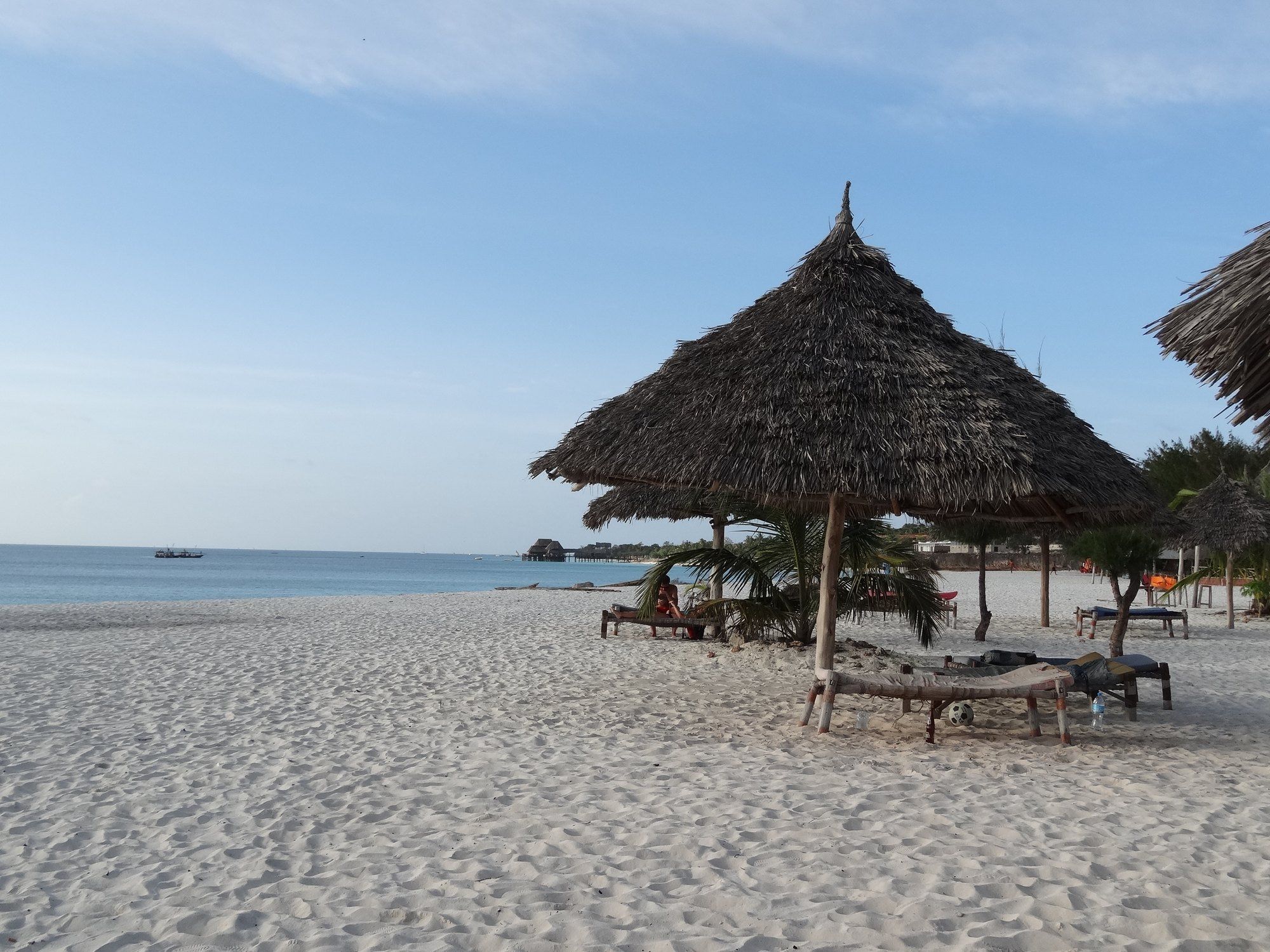
Now you slow down. After a safari, the smart choice is the north coast at Nungwi or Kendwa, where the sea stays swimmable at any tide, so you are never stuck watching the water walk out while you wait to swim. It also has the easiest sunset scene and boat access. The Nungwi and Kendwa guides cover where to stay; the beaches overview compares the coasts if you would rather go quieter.
You do not need to fill these days, but a couple of easy outings round off the trip well:
Snorkel Mnemba Atoll off the northeast, the clearest reef on the island, with turtles and reef fish. Half-day trips run about US$40 to 90 per person plus a US$10 reef fee (2026, verify). If you have just done the Serengeti, this is the marine version of the same wildlife hit.
A sunset dhow cruise, cheap and gentle, one of the nicer hours on the island.
A half-day in Stone Town if you did not build one in earlier, for the UNESCO old town, a spice farm and the Forodhani night market. Our things to do guide has the full list.
Mostly, though, this half of the trip is for lying still. That is the design.
Day 10: home
Fly out of Zanzibar. If your international flight leaves in the evening, you get a last morning swim; if it is a morning departure, plan the transfer the night before, since the north-coast road to the airport takes over an hour.
The season that makes both halves work
You want a window that suits the safari and the beach at once, and there is a clear winner. June to October is the dry season across northern Tanzania, when animals gather around water and the migration is active in the Serengeti, and it is also Zanzibar’s dry, breezy high season. That overlap is why this is the most popular time for the combined trip.
The other option is late December to February: hot and calm on the coast with the clearest water for snorkeling, and the migration down in the southern Serengeti for the calving season. The long rains of March to May are the weakest window for both, wetter on safari and on the beach, though prices drop. Our best time to visit guide breaks down the Zanzibar side month by month.
Health and entry, briefly
Two things need sorting before you go. Malaria is present both on the mainland and on Zanzibar, so most travellers take antimalarial tablets and cover up at dusk; see a travel clinic four to six weeks out. Yellow fever is where combined trips catch people out: a certificate is required if you arrive in Tanzania from, or transit through, a country with yellow fever risk, such as Kenya or Uganda. If you fly in directly from Europe or North America and stay within Tanzania, you generally do not need it, but a domestic hop within the country does not trigger the rule either way. If Nairobi or Entebbe is on your routing, carry the certificate. Our health guide has the detail, and always confirm current rules before travel.
For Zanzibar itself, you also need a Tanzania eVisa in advance and the mandatory Zanzibar inbound insurance (ZIC, about US$44 per adult in 2026, verify before travel), a separate entry requirement from your own travel cover. The Zanzibar visa guide explains both.
What it costs
The safari is the expensive half, and there is no way around it. A mid-range northern-circuit safari commonly runs about US$250 to 600 per person per day in 2026, with budget camping trips lower and luxury lodges well above, so four nights can span roughly US$1,000 to several thousand per person before flights. The Zanzibar half is far gentler at about US$100 to 250 per person per day mid-range. Add the internal flight, roughly US$200 to 350 one way, and your international flights on top. These are 2026 estimates that swing with operator, season and standard, so get firm quotes. The money and costs guide covers the Zanzibar side of the budget.
The short version
Four nights on safari, four or five on the beach, safari first, flying Arusha or Kilimanjaro to Zanzibar in the middle, ideally between June and October. Book the safari through a reputable operator who handles the internal flight, keep the beach half simple and northern for swim-anytime water, and let the last days be lazy. You will have earned them.
How many days do you need for a safari and Zanzibar trip?
Plan for about 9 to 10 days: roughly four nights on a northern Tanzania safari taking in the Serengeti and Ngorongoro, then four or five nights on a Zanzibar beach. Seven days is the workable minimum if you keep the safari to three nights and the beach to three, but it feels tight. Ten days lets both halves breathe, with a proper safari and a real stretch of beach rather than a rushed version of each.
Should you do the safari or Zanzibar first?
Do the safari first. Safari days start before dawn and involve long drives on rough roads, so ending the trip on a calm beach is the natural way round: you arrive on the island tired and dusty and spend the last days recovering. Doing it the other way means dragging yourself off a lounger into 5am game drives. It also fits the flights, since most people arrive into Kilimanjaro for the safari and fly out of Zanzibar at the end.
How do you get from the safari to Zanzibar?
You fly. Regional carriers such as Coastal Aviation, Auric Air, Precision Air and ZanAir link Arusha and Kilimanjaro to Zanzibar in roughly 90 minutes. Light aircraft also connect the Serengeti and other northern airstrips to Zanzibar, though these usually route through Arusha, so it is a half-day of flying rather than a single hop. Your safari operator normally books this internal flight as part of the package. Confirm the exact routing and timings when you book, as schedules change.
How much does a Tanzania safari and Zanzibar trip cost?
The safari is the expensive half. A mid-range northern-circuit safari commonly runs about US$250 to 600 per person per day, with budget camping lower and luxury lodges well above that, so four nights can range from roughly US$1,000 to several thousand per person before flights. The Zanzibar half runs about US$100 to 250 per person per day mid-range. Add the internal flight, roughly US$200 to 350 one way, plus international flights. Treat all of these as 2026 estimates and get firm quotes from operators.
Mnemba Island is a tiny private island off Matemwe on Zanzibar's northeast coast, ringed by the best coral reef near Unguja. You cannot land on it, but boat tours snorkel and dive the surrounding marine conservation area, full of turtles and reef fish. Access needs a marine fee of about US$10 per adult (2026, verify) plus a boat trip of roughly US$40 to 90 per person, usually from Matemwe.